Cuween Hill Chambered Cairn, Orkney

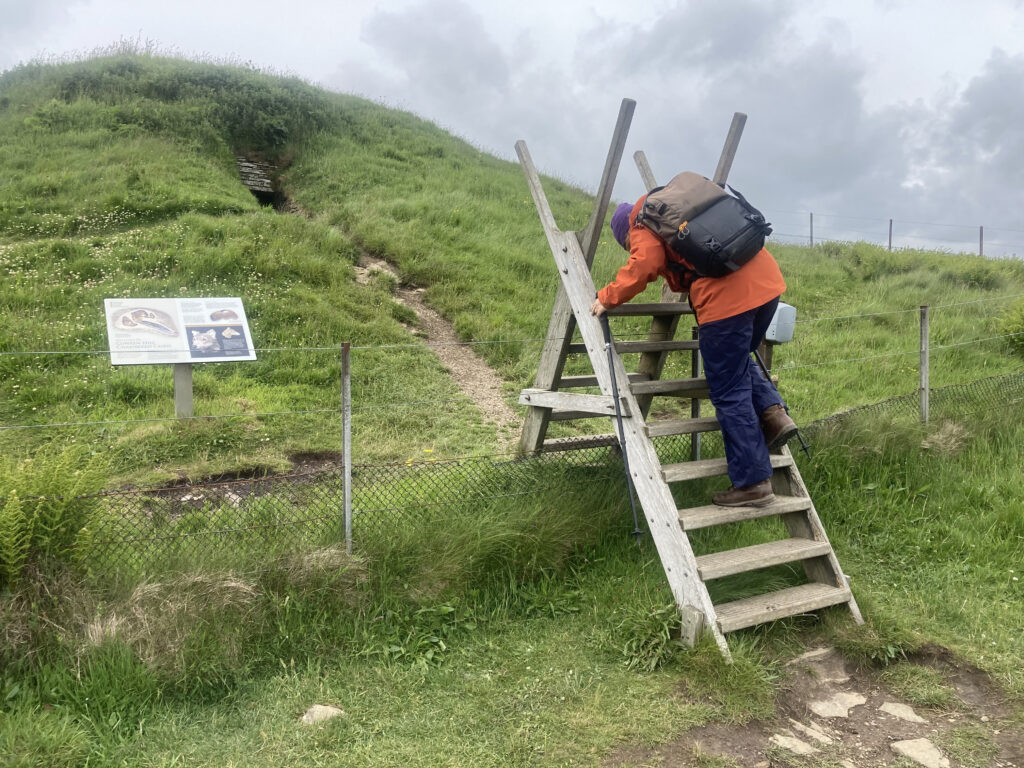
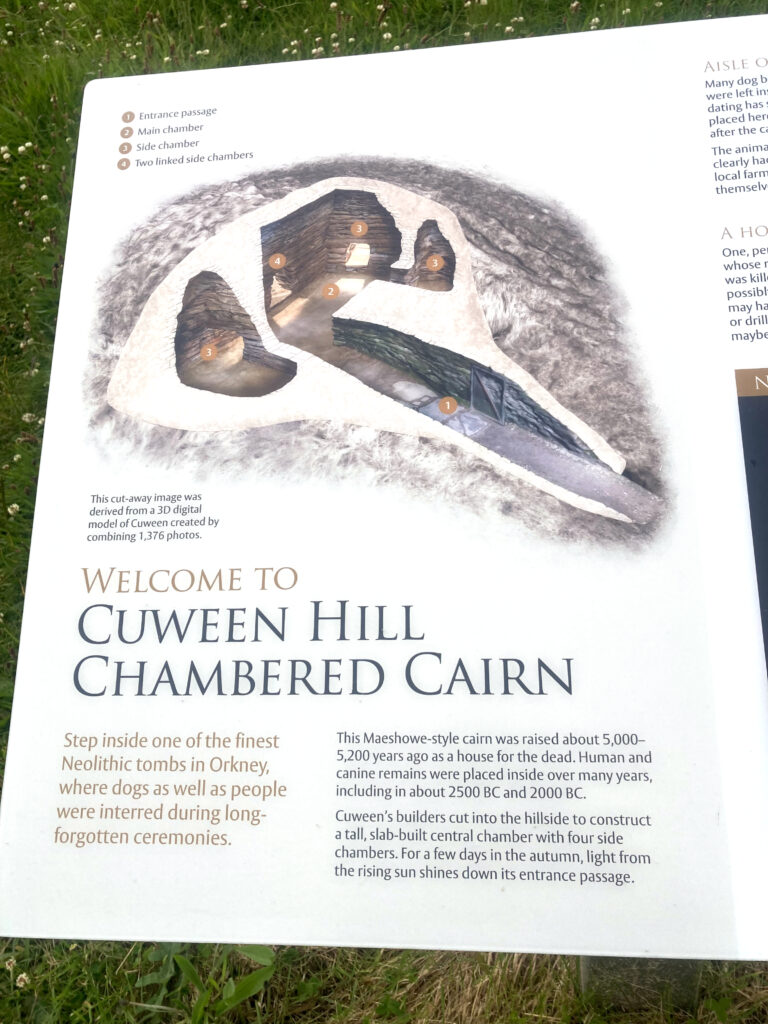
We’ve been doing so much I’m struggling to keep up with blogging about it all! After visiting Grain Earth House, and attempting to video the experience, we went to another, more impressive chambered cairn at Cuween Hill. If you know your archeology you may have heard of the aisle of dogs – that’s in this one, although I wasn’t sure which of the various chambers that referred to (it’s dark, there’s not much space, and I’m slightly claustrophobic, so I didn’t linger long). We had to crawl on hands and knees to get inside, but could stand up in the first chamber – I wasn’t brave enough to climb into the others!
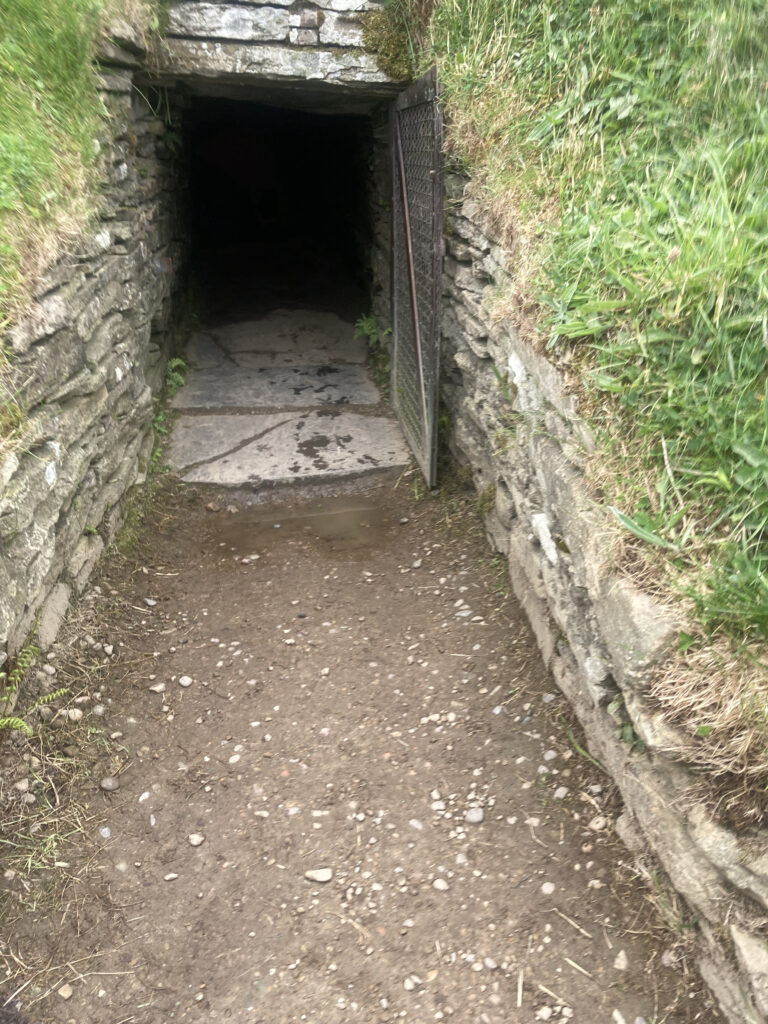
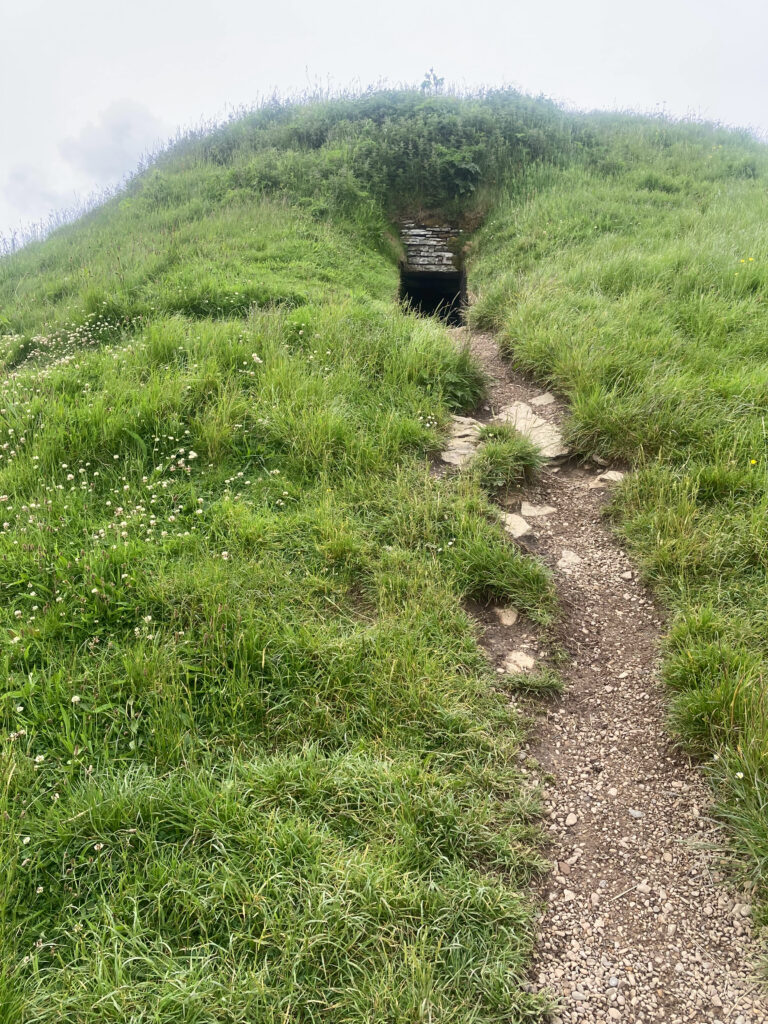
I had another go at videoing this one. We took our own lighting – without which it would have been completely dark. Although the film doesn’t look more impressive than the last one, I did some slightly more advanced editing to create it. Here’s the result.
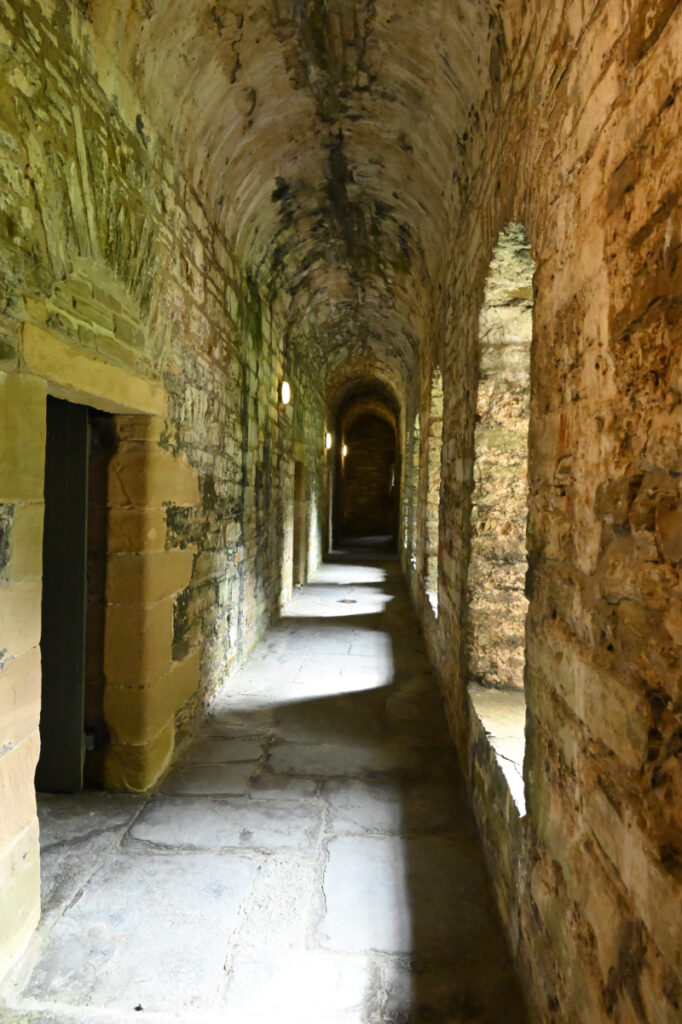
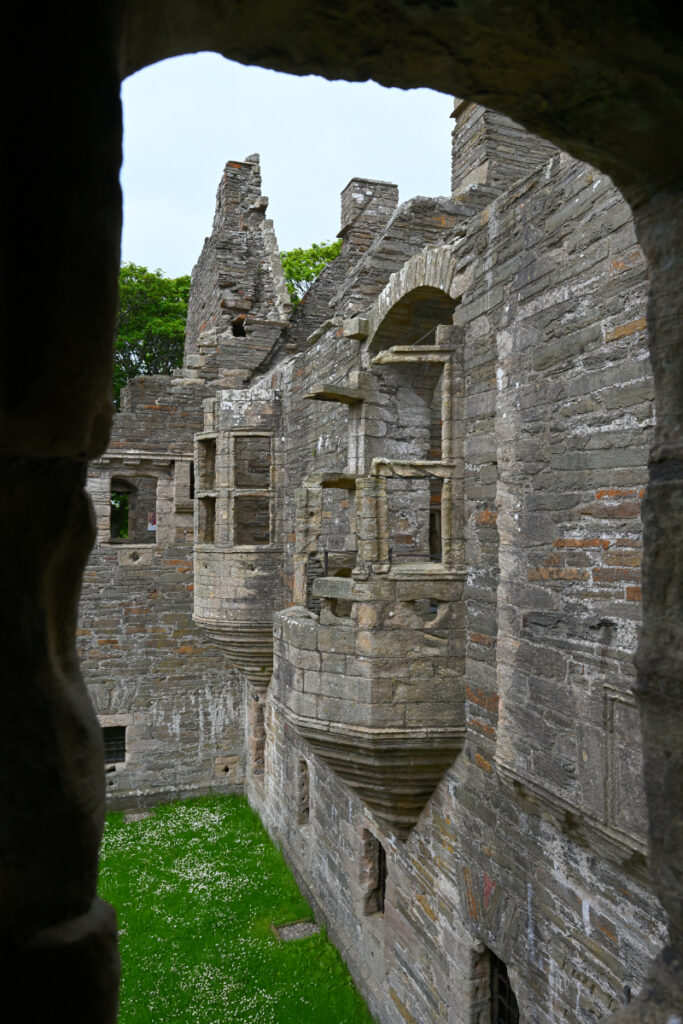
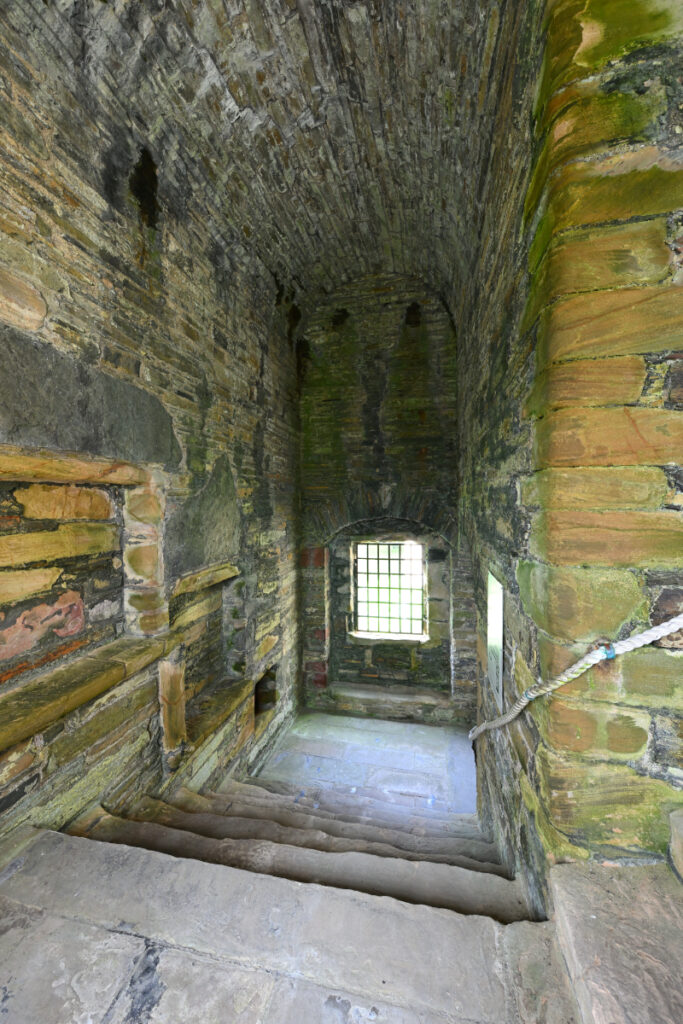
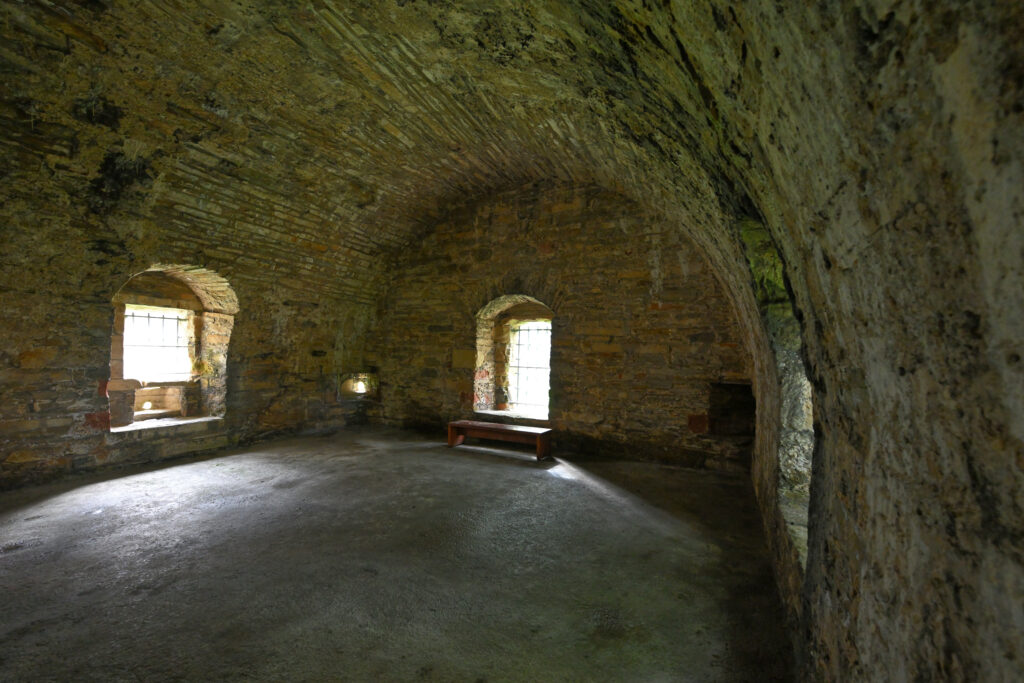
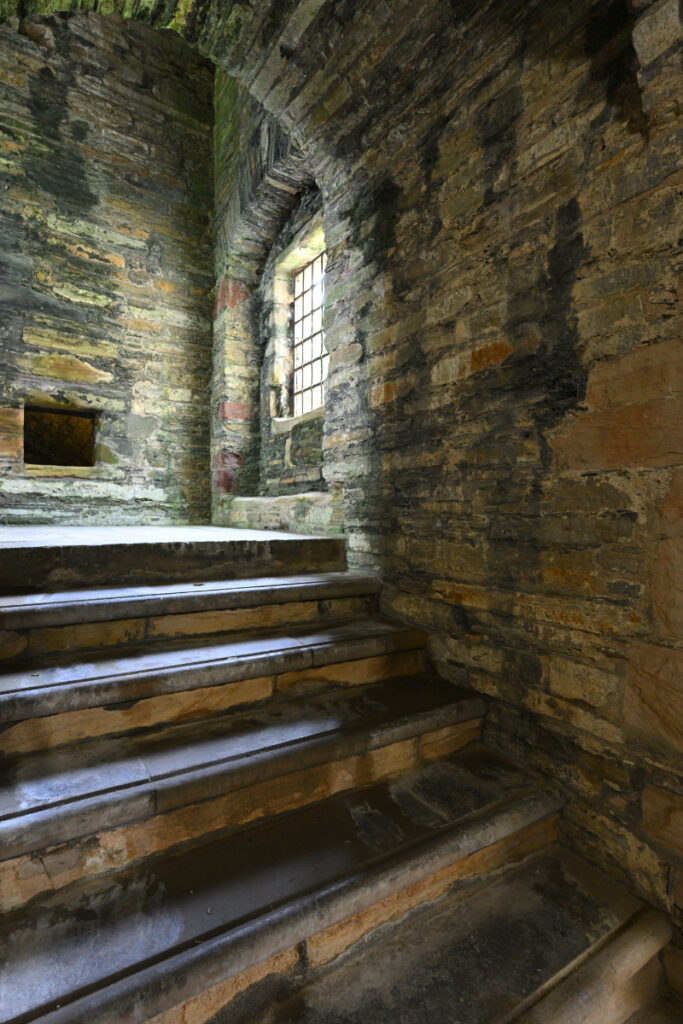
Earl’s Palace

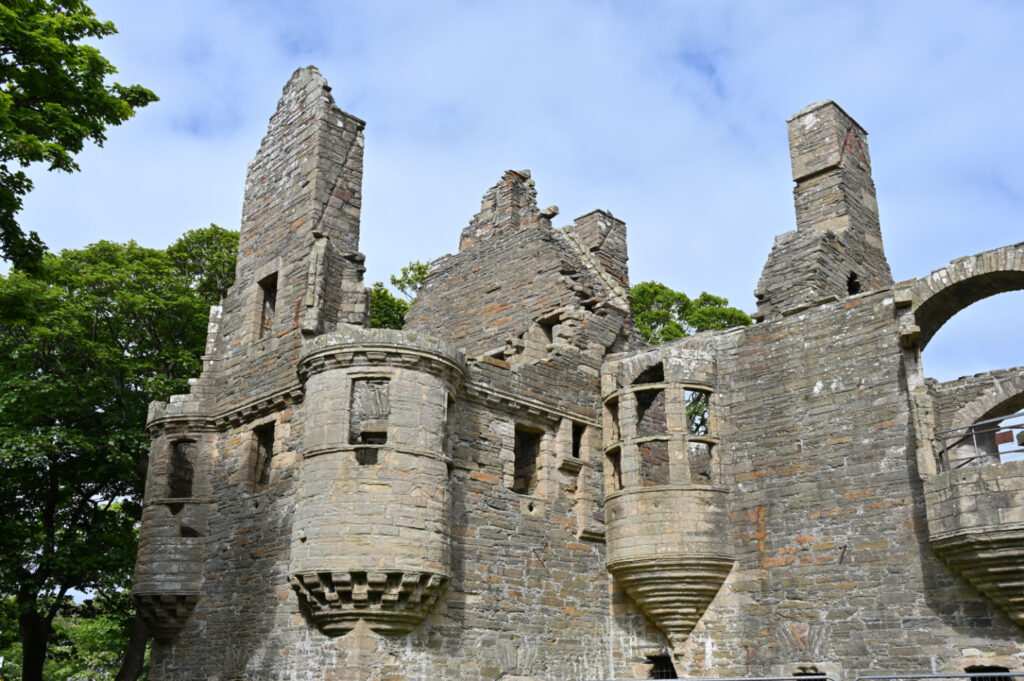
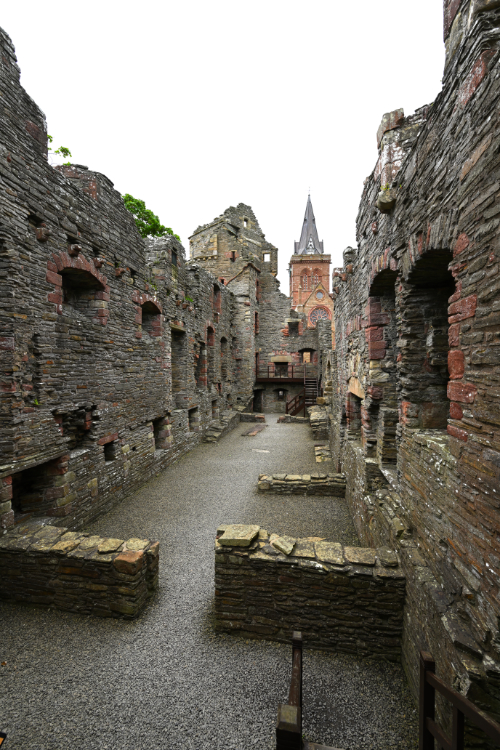
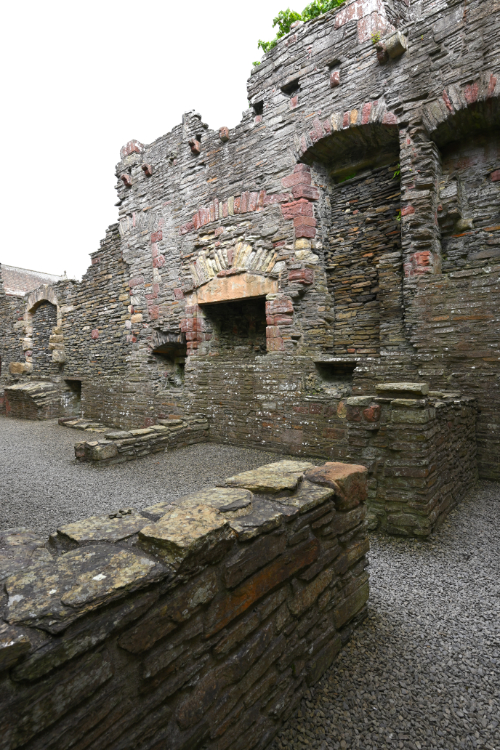
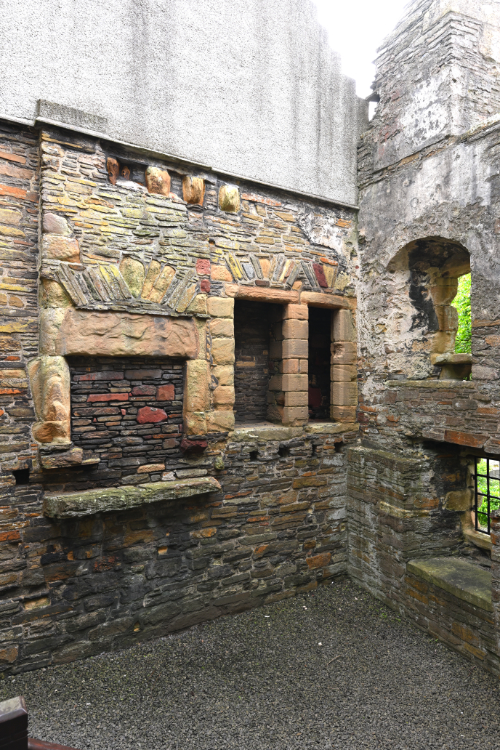
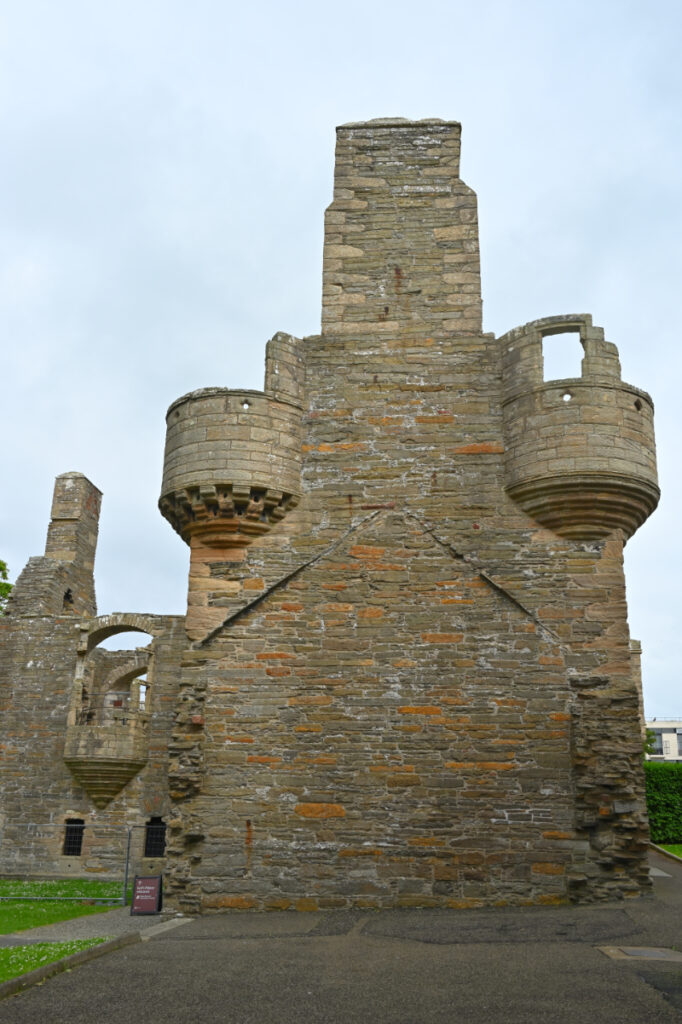
There have been quite a few Earls of Orkney, with marvellous names such as Thorfinn the Mighty, Thorfinn Skullsplitter, Sigurd the Stout, Harald Smooth Tongue, Harald the Old, Harald the Young, Einar Wry-mouth… Inheritance rules meant that rather than the title and all the dosh going to the eldest son, all siblings got a share. All the lads became Earls, all the lassies were also considered of high status, although they only got half shares of land and wealth.

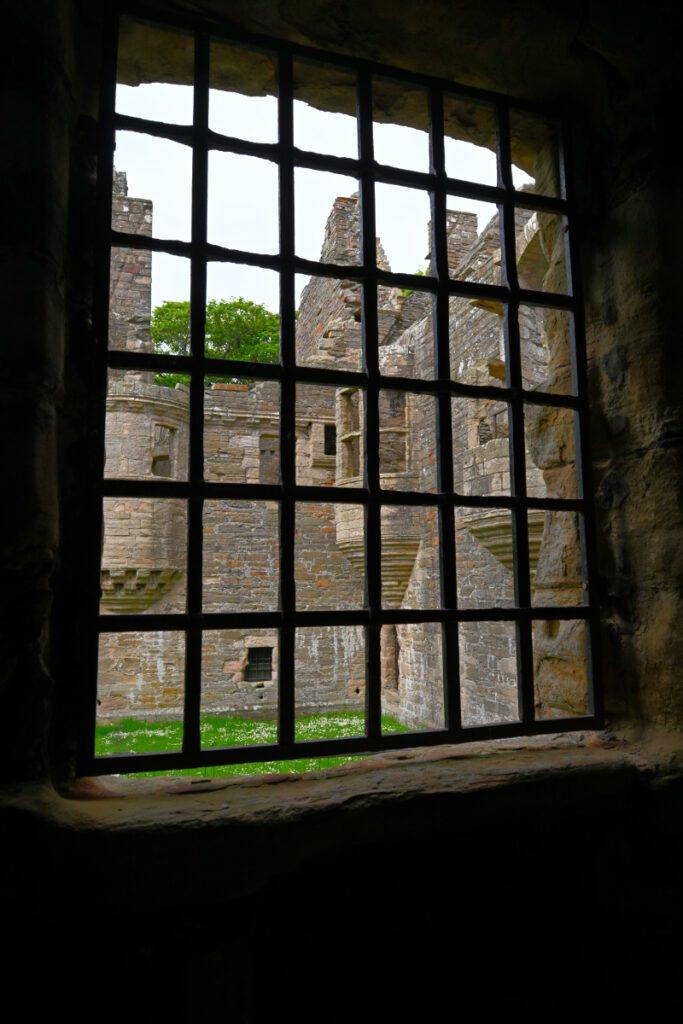
Lots of Earls meant lots of palaces. The one in these photos is the best preserved (of those we’ve seen anyway) and located in Kirkwall, opposite the Bishop’s Palace.

Broch of Gurness

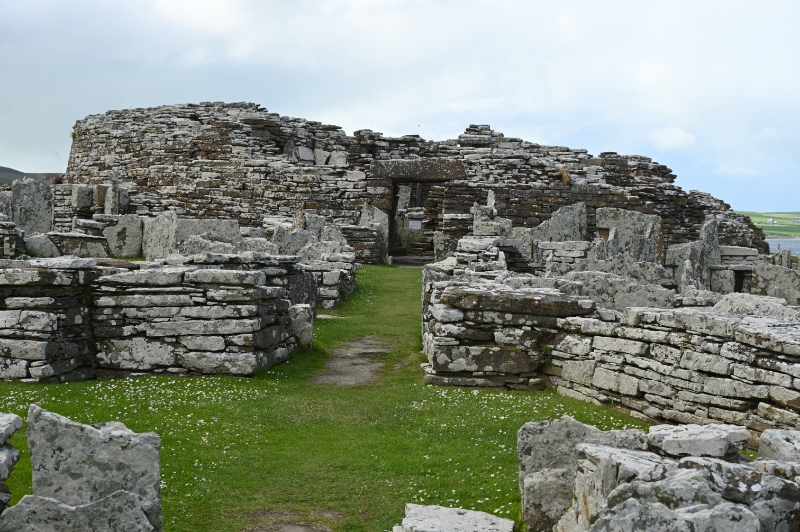
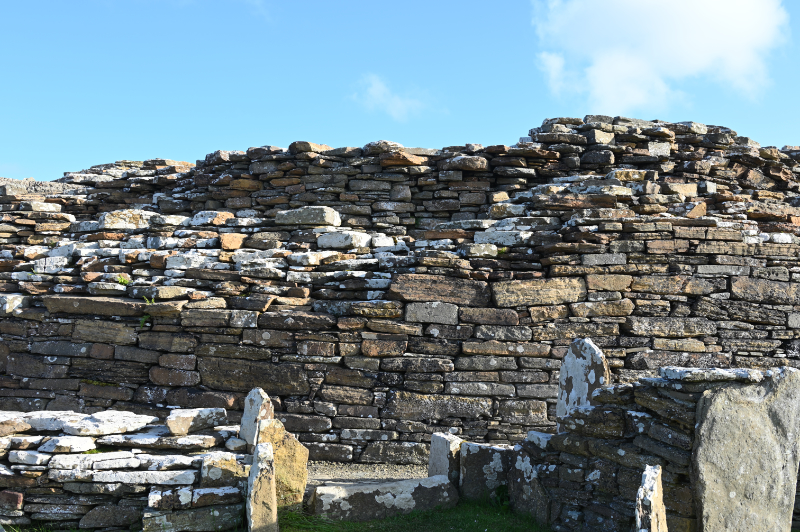
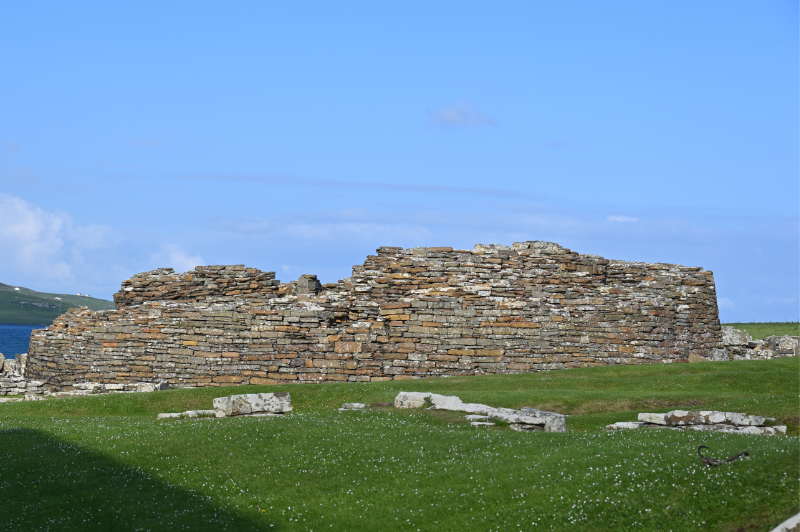
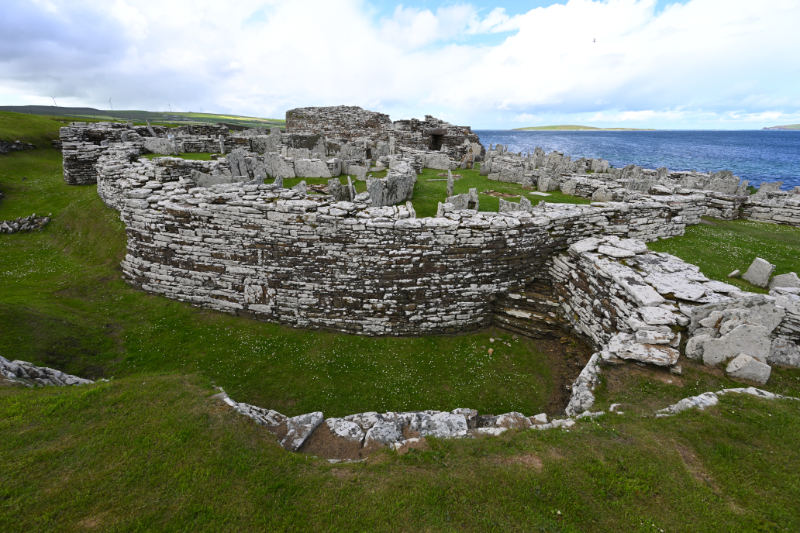
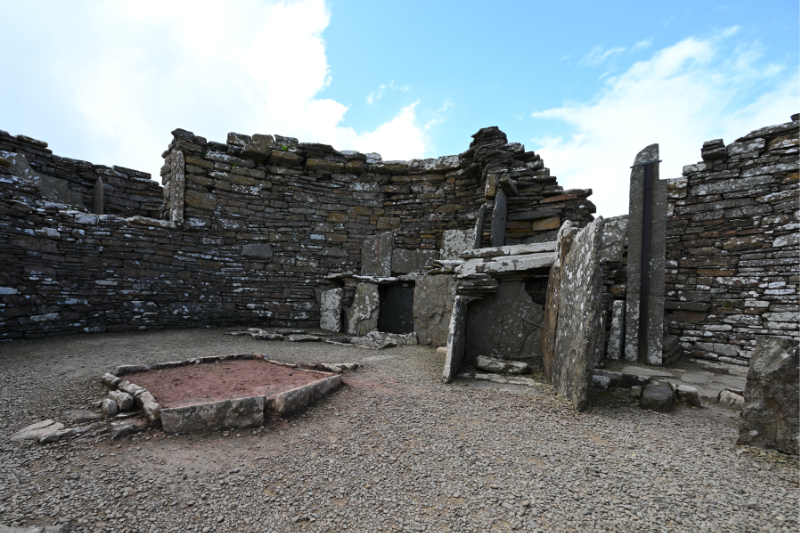
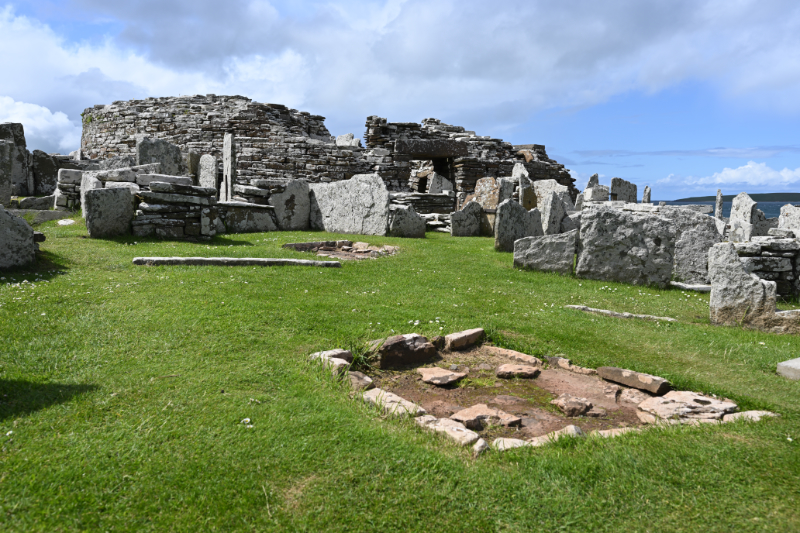
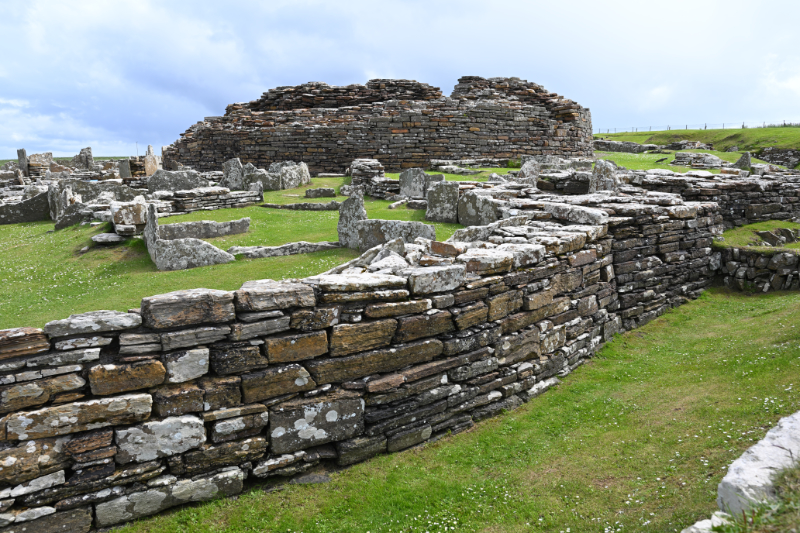
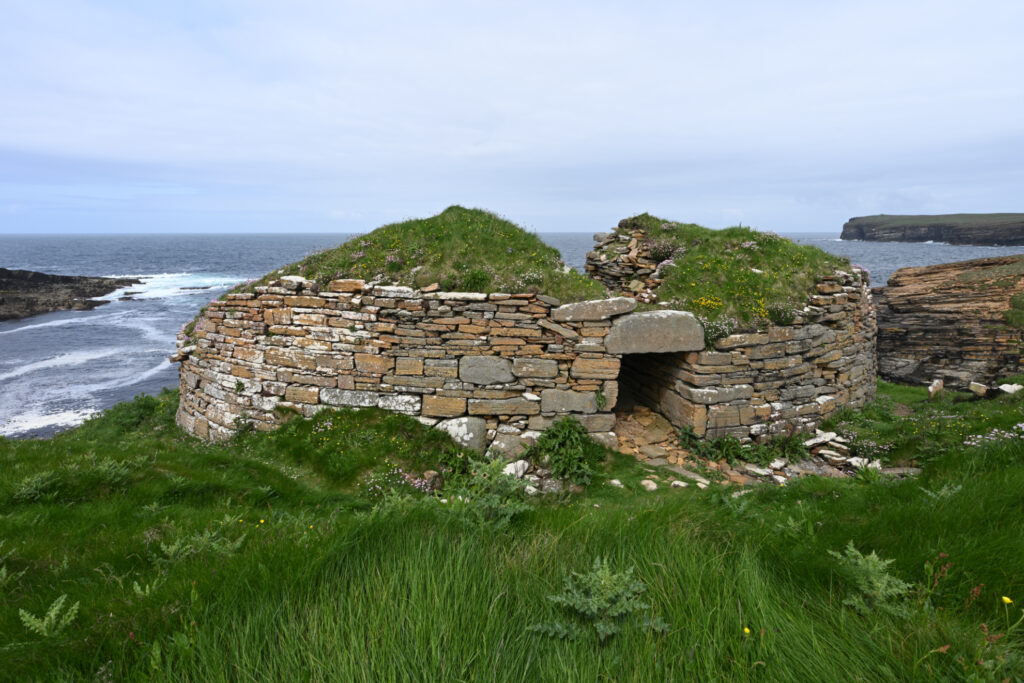
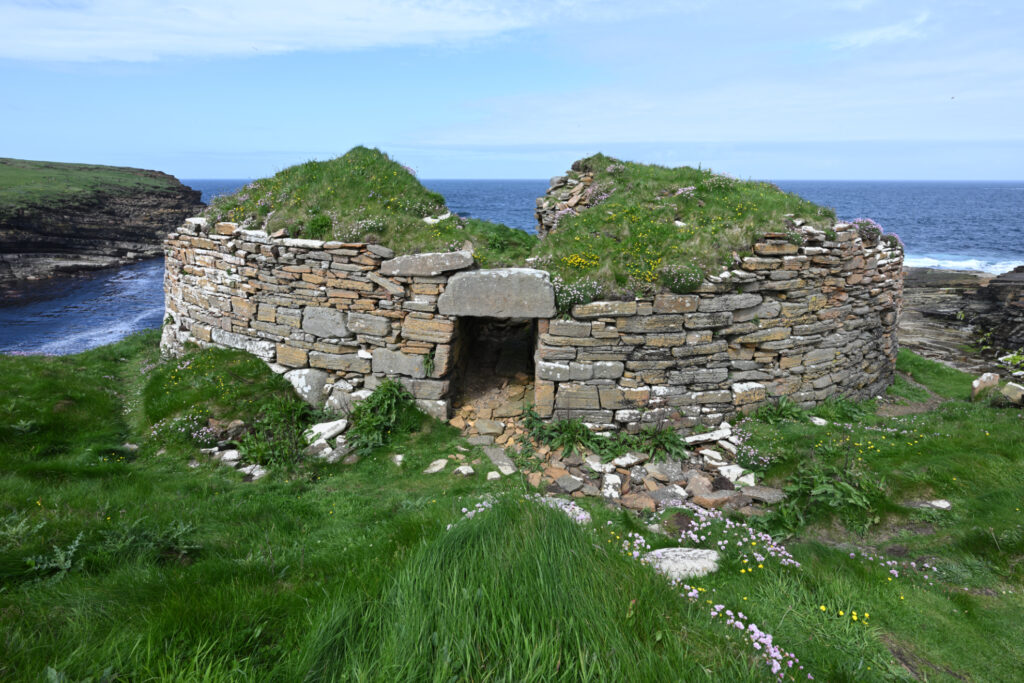
A broch is a very old kind of big round Scottish castle structure, with immensely thick double walls whixh have a narrow passageway between them. Nobody seems to know what that’s for – it might be an early form of cavity wall insulation. People lived in brochs and it seems likely they were defensive structures.

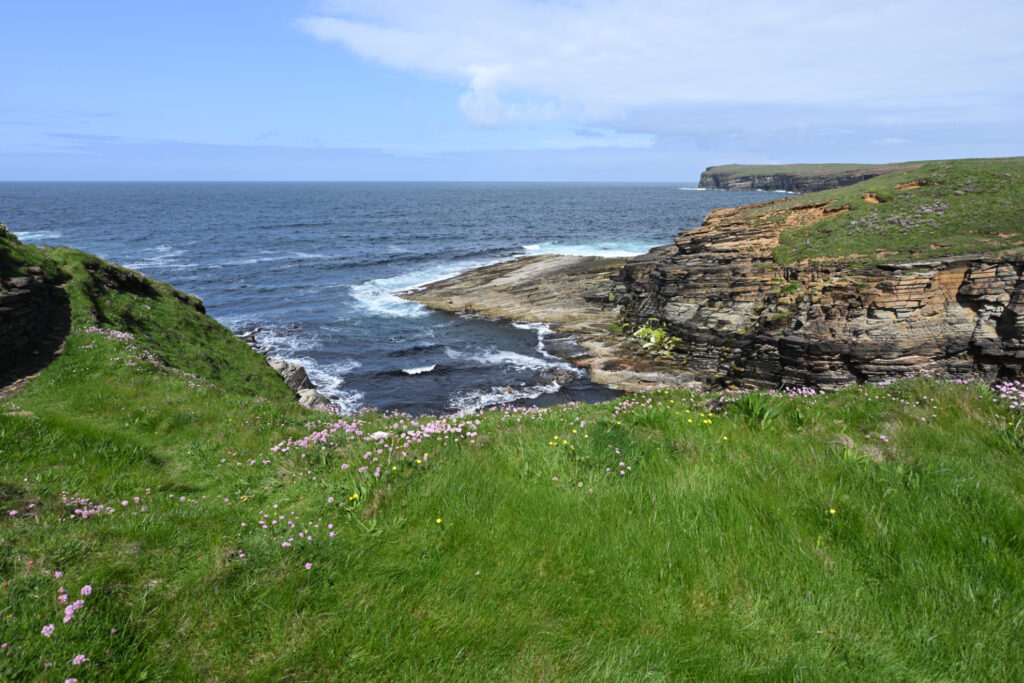
We’ve visited quite a few brochs and like them a lot. The one at Gurness is unusual both in that it’s not isolated, but surrounded by smaller stone houses and other structures (a small village really) and in the fact that it’s divided up into rooms inside. There’s even a loo!

Lots of interesting items were found inside the broch of Gurness, including some amazing, and huge, brooches. These are in the museum in Kirkwall, which is fascinating. We spent hours there one rainy day – and didn’t photograph a thing!

A confession

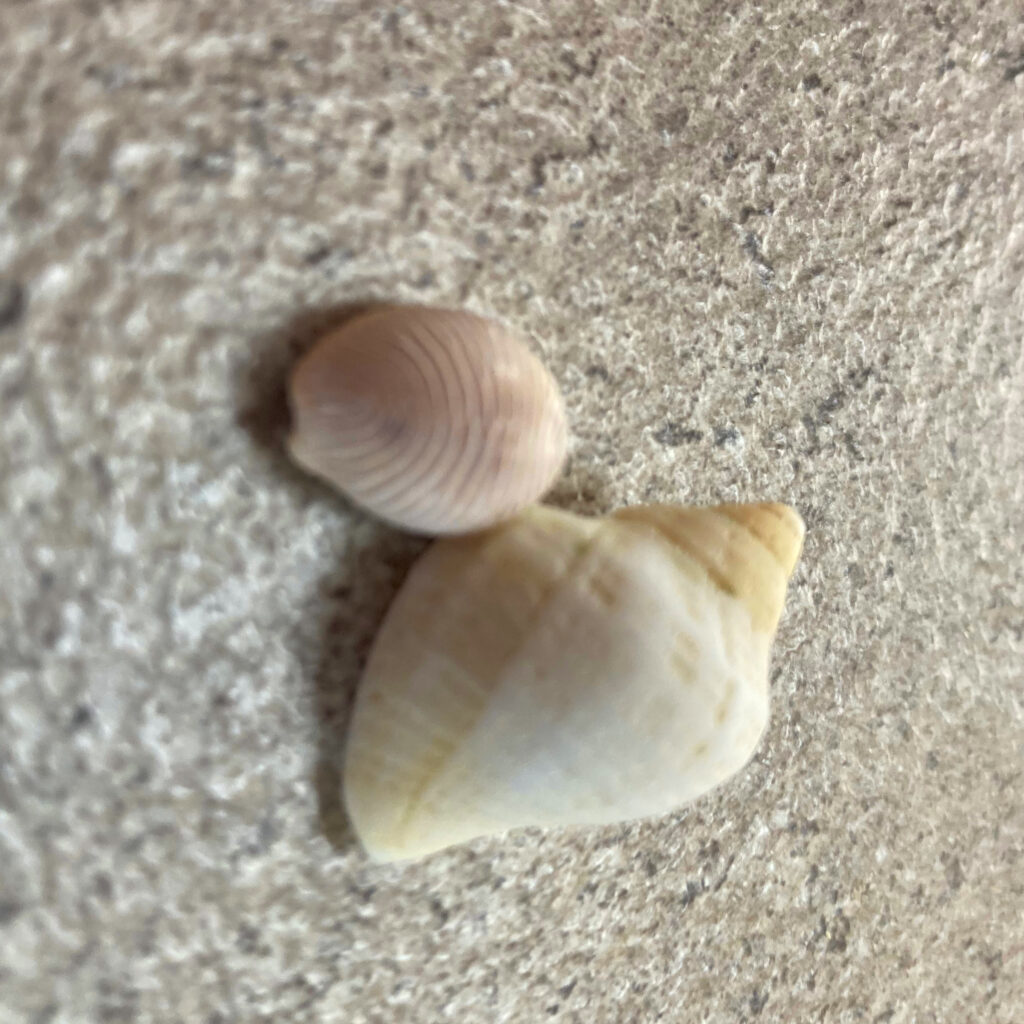
The shells in Wednesday’s post were not, as I claimed, groatie buckies. I should have been suspicious when I found some so easily… Anyway, I have now found one – it’s the small stripey one, shown alongside one of whatever the others are to give an idea of scale.

Cake sheds, tea, and puffins

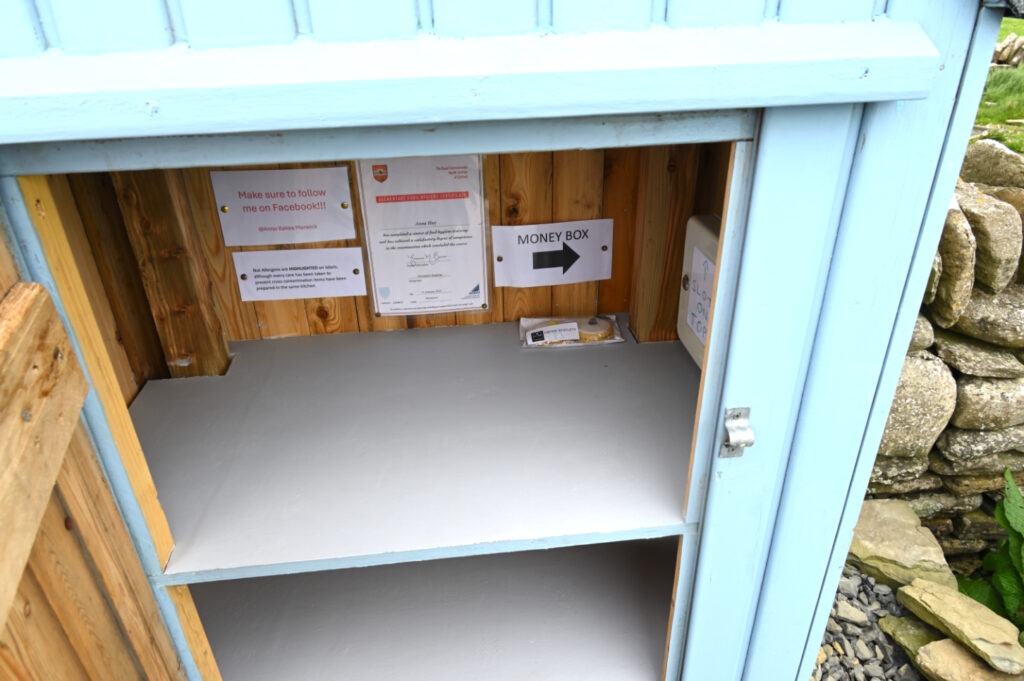
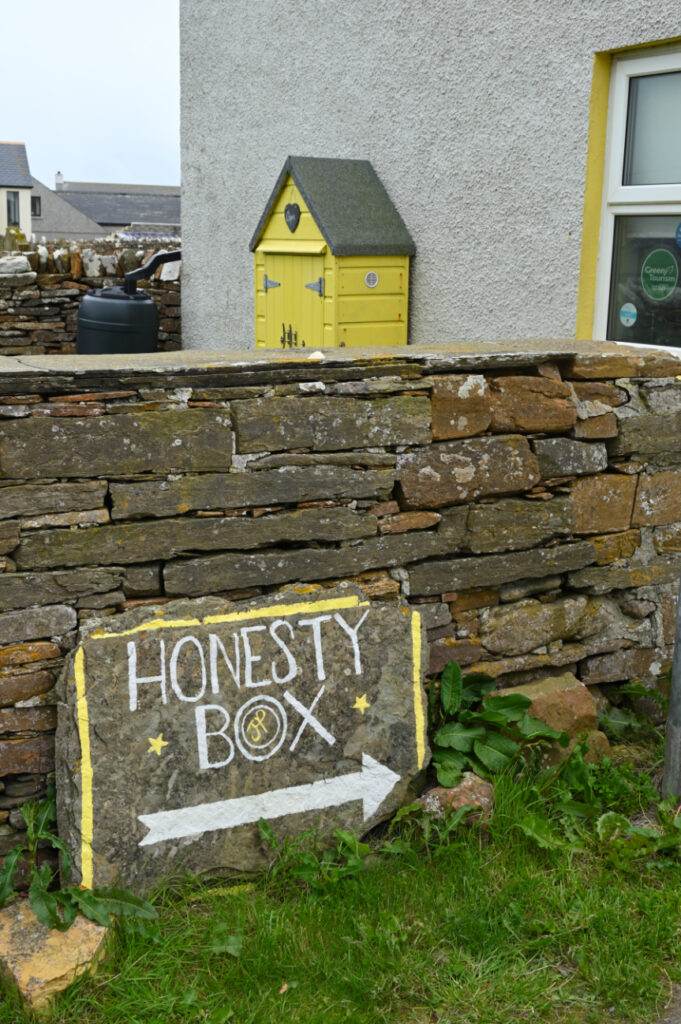
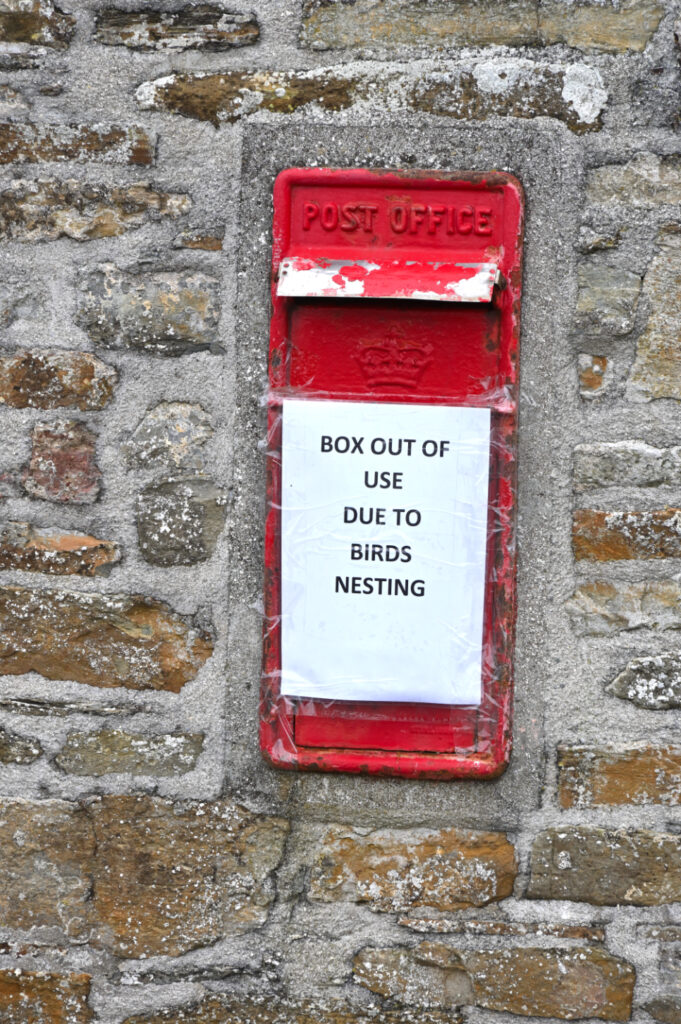
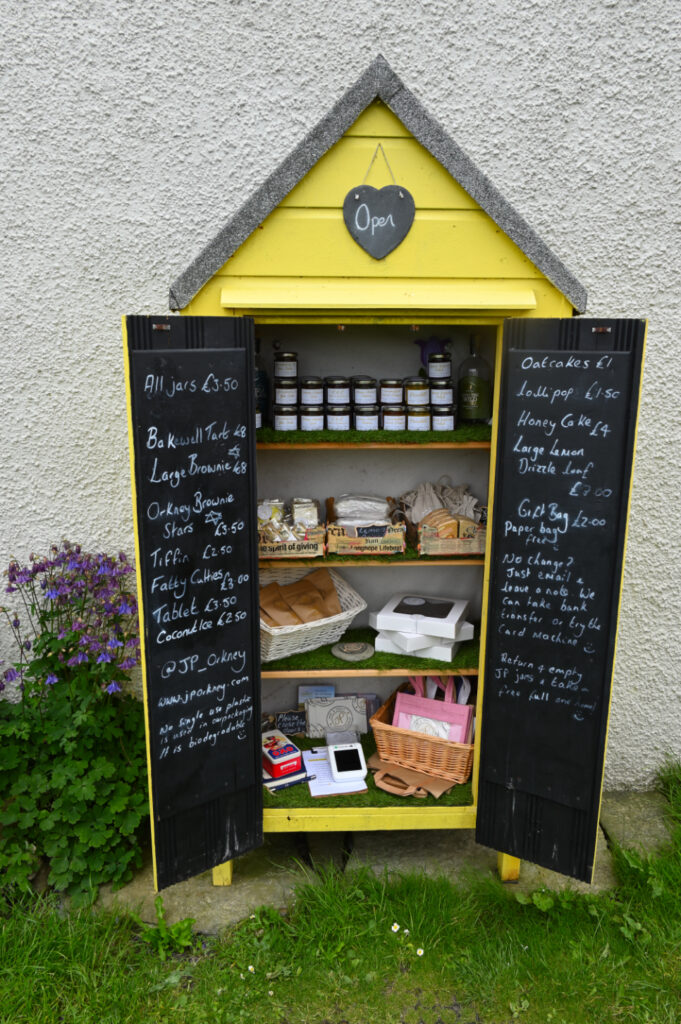
There are lots of mini sheds supplying cake, and sometimes lots of other food, drink and souvenirs too, on Orkney. They operate on an honesty basis – usually you leave cash, but some have the option to pay by card or other means. They’re always open (unlike the post boxes!) but if you arrive just after a walking group, there may not be much left.

The lemon drizzle and chocolate Brownie stars were very good – but I forgot to photograph them before there were only crumbs left.

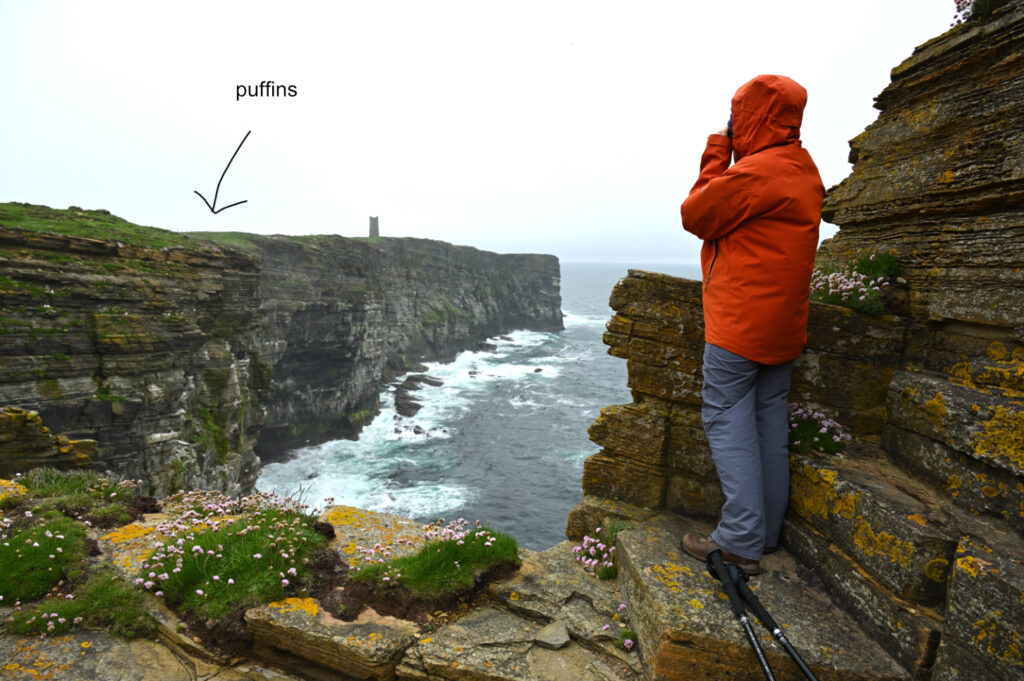
We’ve been on the look out for puffins, and have seen some at a distance. They’re not very active at the moment. I suspect we’re at the period between nest building and hatching – hopefully we’ll get more sightings later in the trip.

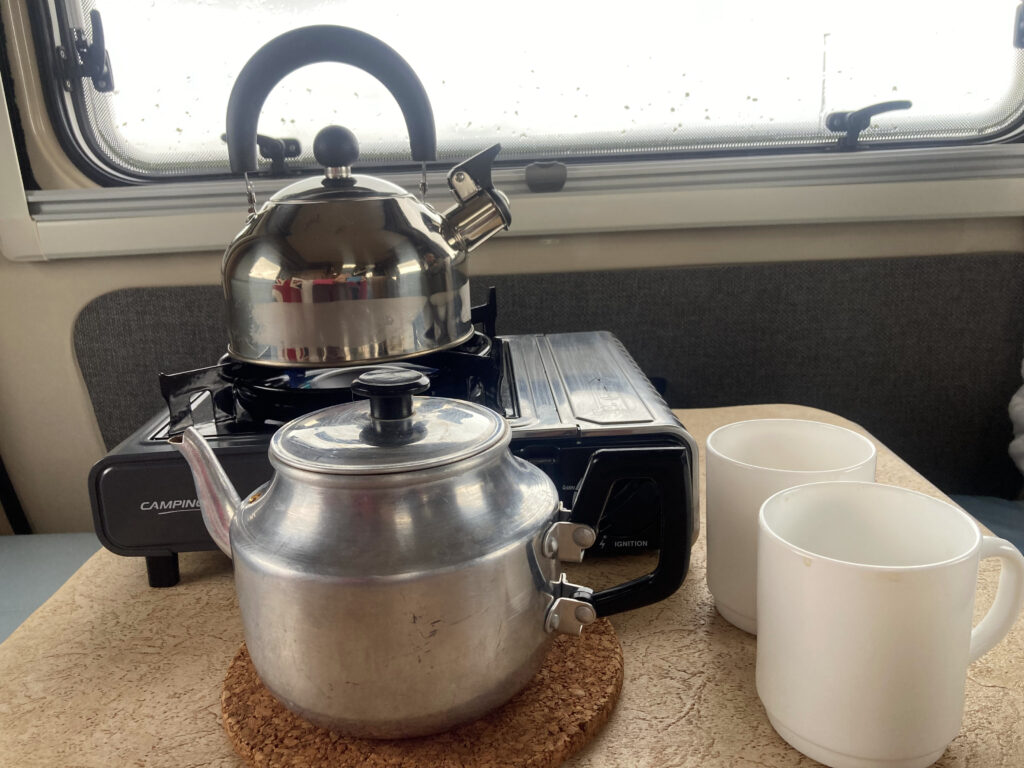
There are no LPG pumps on Orkney and as we use that for cooking, heating, hot water, the fridge and making tea, that was something of a concern. We’ve solved the problem by investing in a portable gas stove. Each gas canister makes about ten pots of tea, we bought eight and plenty more are available here, so I think we’ll be OK for the next fortnight or so.

Wednesday word of the week – Groatie Buckies

Groatie Buckies is the Orcadian word for cowrie shells. It comes from John O’Groats (a nearby point on the Scottish mainland) and buccinum, which is Latin for shellfish, apparently.
I first heard the term when I spotted two young ladies clearly searching for something on the beach. Being a writer, and therefore nosy, I asked what they were looking for. I was told that local people are almost obsessed with collecting these beautiful little shells. I can understand that. As well as being pretty, they’re very tactile and said to be lucky.

Ooops – please also read this.

Skara Brae

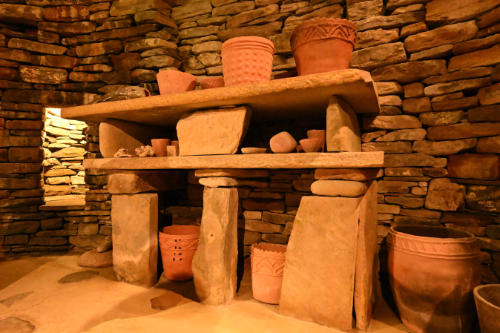
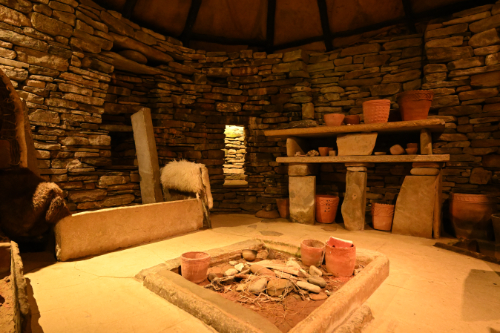
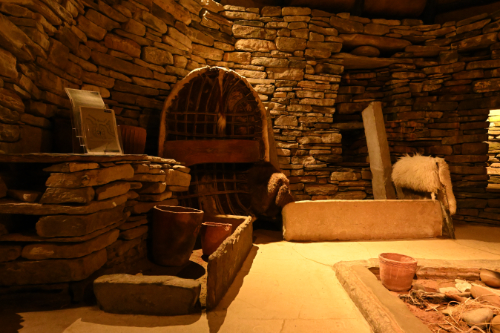
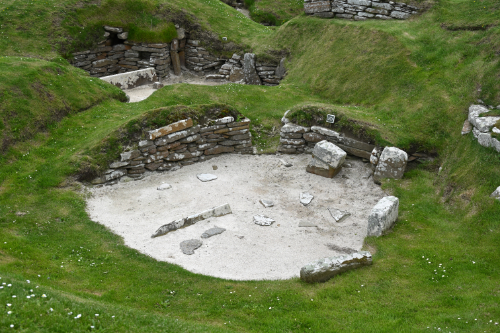
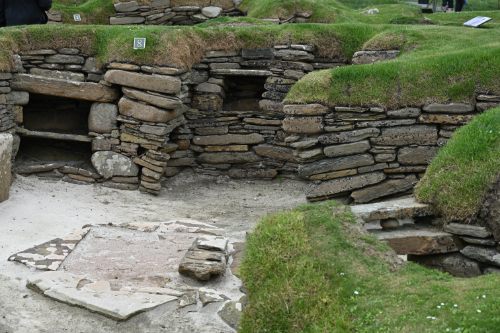
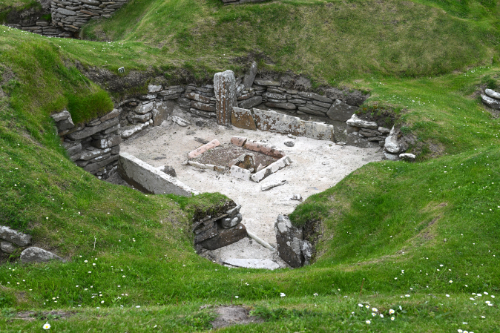
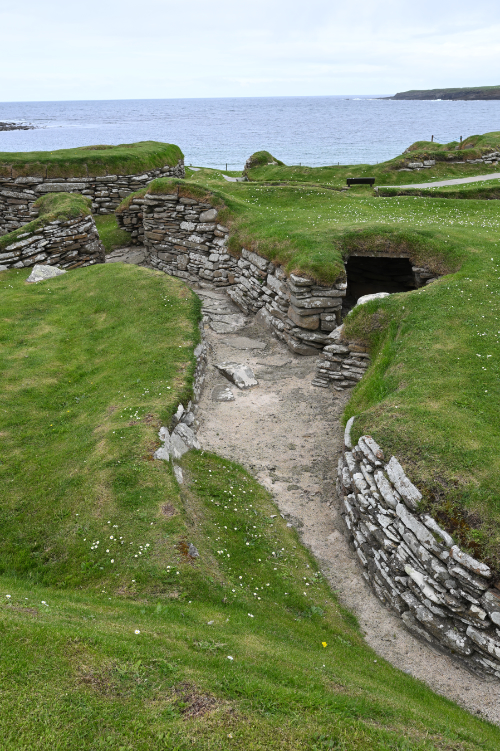
The first, orangey coloured, photos are from a replica house, which visitors could enter to examine the contents. The rest are of the real thing which you’re not usually allowed to go into, in order to preserve the buildings – but can see very well from the surrounding paths.

There’s a lot I could say about Skara Brae, but I’m just going to focus on the fact that this village is over 5,000 years Old. That’s older than Stone Henge and the Pyramids. The people who built it lived in communities, traded with other countries, made jewellery and decorated pots. There’s a lot that isn’t known because the settlement is so old that very little other than stone survives, but it’s very likely they made art and music, and told stories. Their lives would have been very different from ours, but I can’t help thinking the people themselves would have been much like us.

Bishop’s Palace

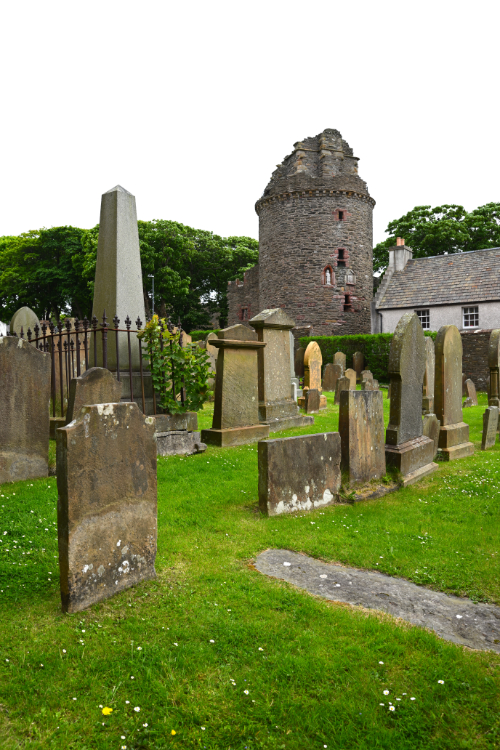
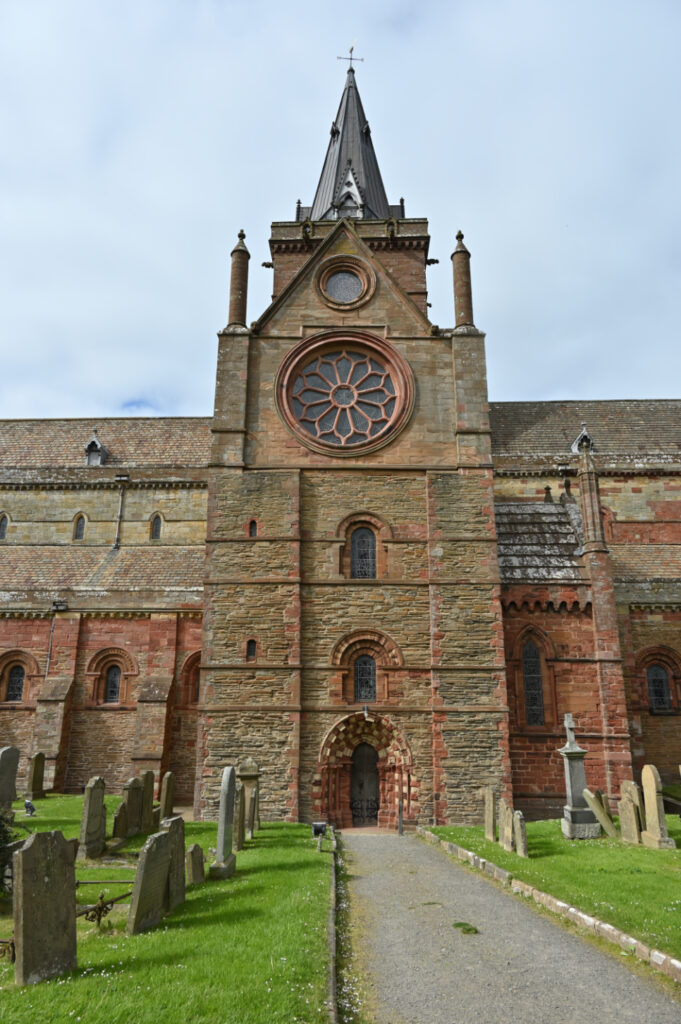
The bishop in Kirkwall would have had a longer commute to work than I do, but not by much. You can see St Magnus Cathedral from his palace, and vice versa. Even I wouldn’t have needed a cup of tea on arrival if I’d had one just before leaving home – although I’m fairly sure tea wasn’t an option back then.

We’re very much enjoying Orkney. As far as we can see there are only two downsides – the wind (cold and doesn’t let up much) and the lack of an LPG filling pump. The van needs gas for heating, hot water, the fridge, cooking and, most vital of all, the kettle! It’s OK though as we have a cunning plan.

Some of the positives of Orkney include the beauty and drama of the landscape, very friendly people, loads of historic sites to visit, great campervan facilities and wonderful park ups, lots of wildlife especially birds, plenty of bakeries and tea rooms, great walks, a decent number of ships for Gary to photograph, loads of wild flowers… It’s amazing I’ve found time to write, but that short commute to work helps and I’m making progress with the novel.

Broch of Borwick

Yesnaby was so beautiful, there was more to explore, and the weather forecast for the next day was good, so we stayed where we were. I did a little writing before cooking our dinner. The following morning, after a pot of tea and writing a few more words as Gary sorted out the camera stuff, we headed for the Broch of Borwick.

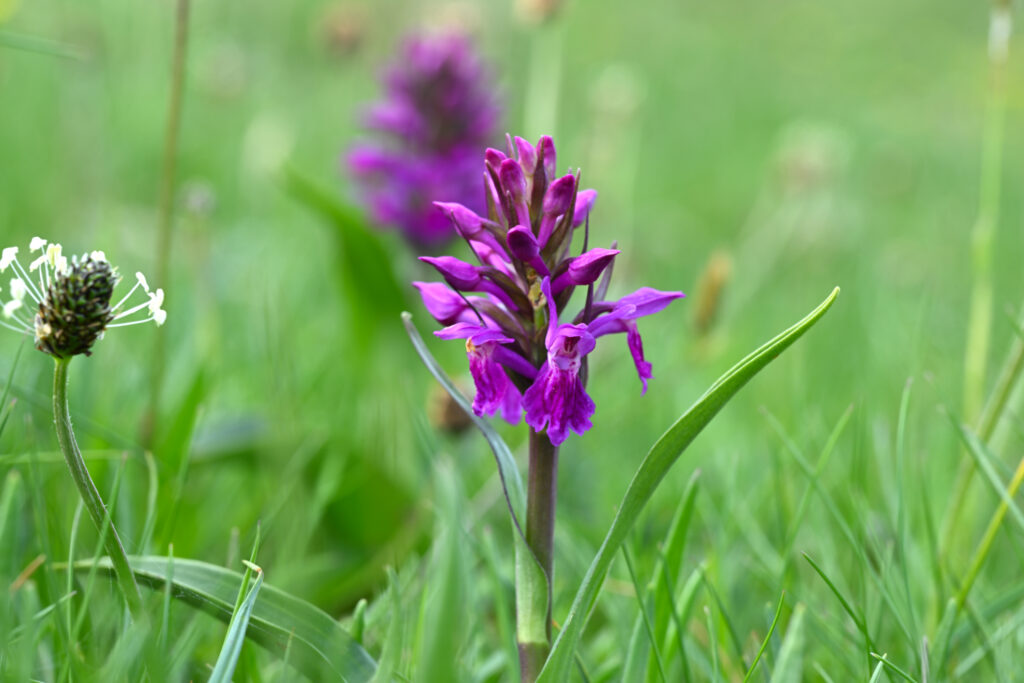
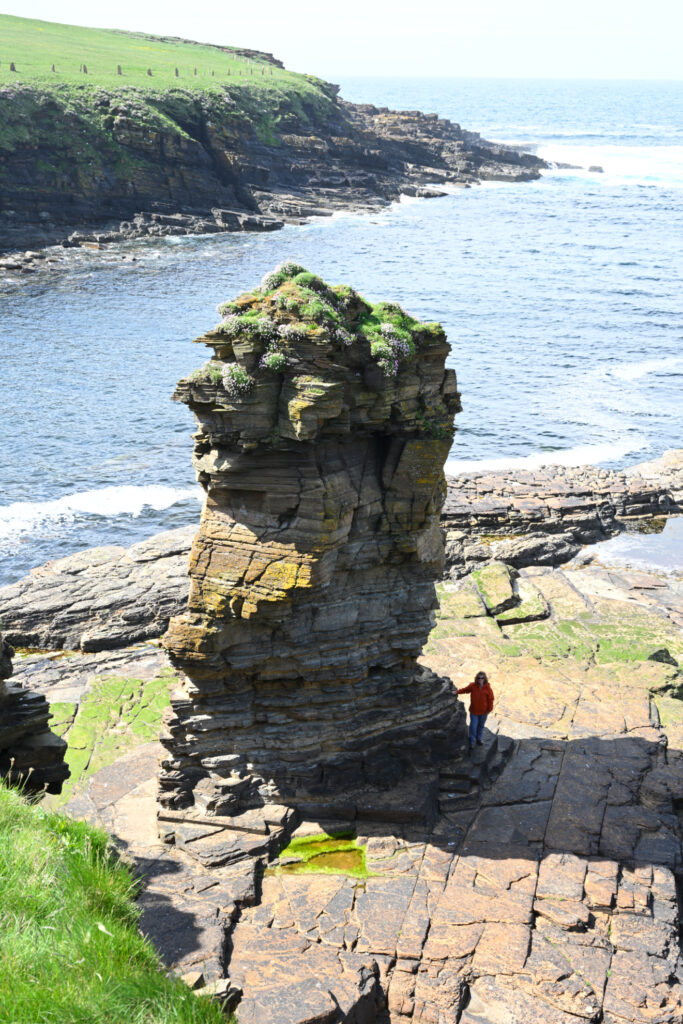
There were many distractions on the route, including Northern Marsh Orchids and another sea stack. This time it was my turn to cling to a cliff edge for the benefit of a photo. OK, so there was a path down to almost sea level and the bit I had to negotiate was only a few feet above that, but you have to remember I’m not at all brave!

After visiting the broch we walked on to Skara Brae – but decided to visit that another day, as although the walk to that point was only a couple of miles we’d taken a long time doing it, and had eaten nothing and only drunk the one pot of tea before leaving the van three hours earlier.

Comet and Watch Stones

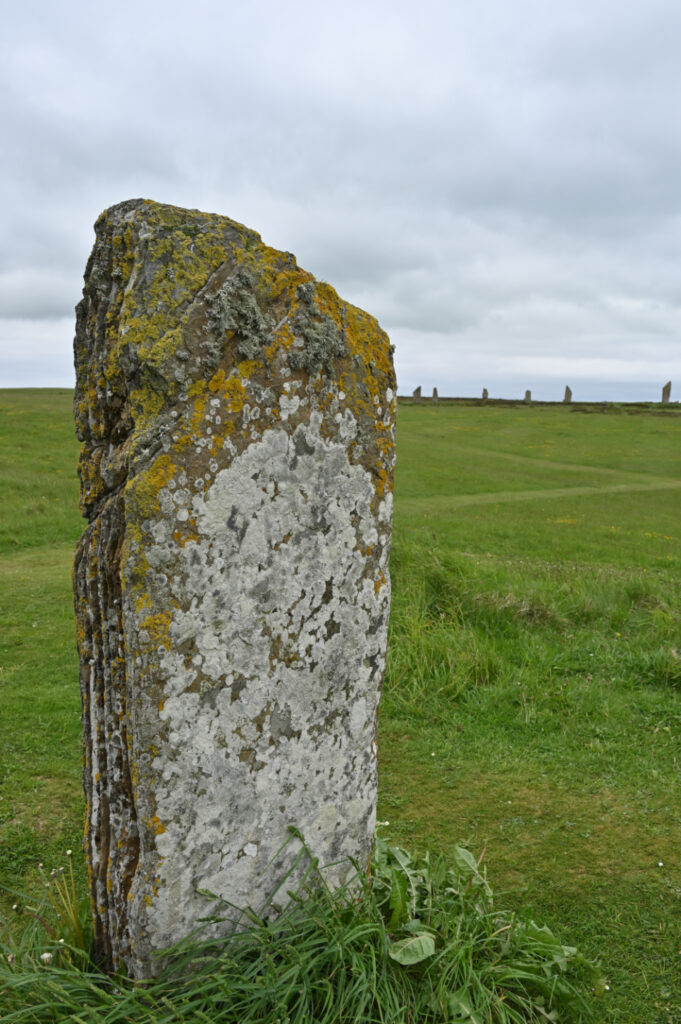
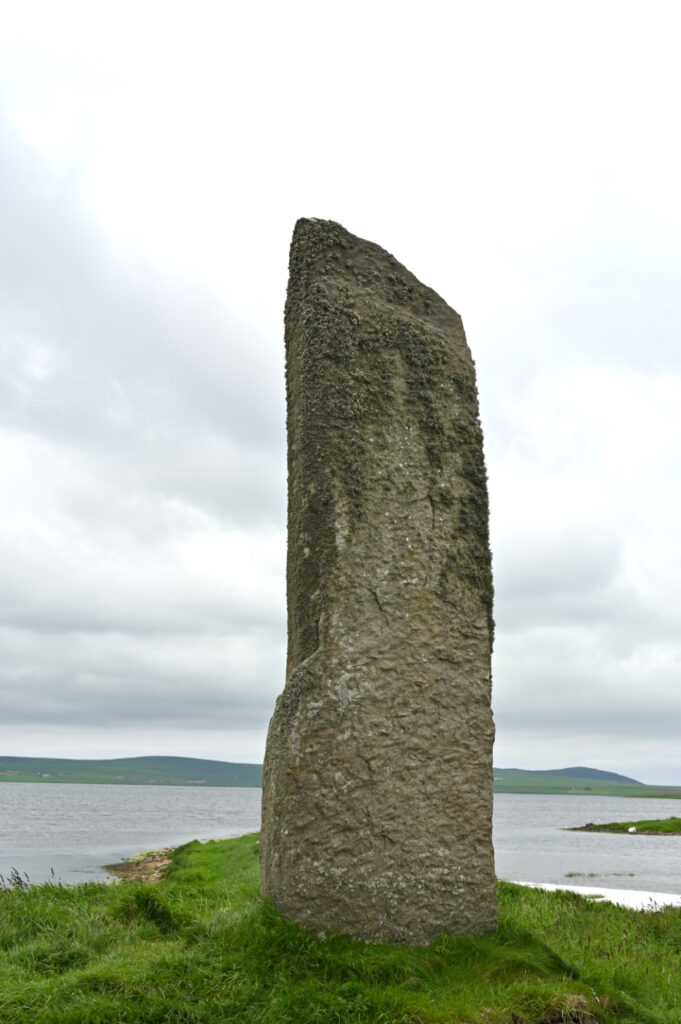
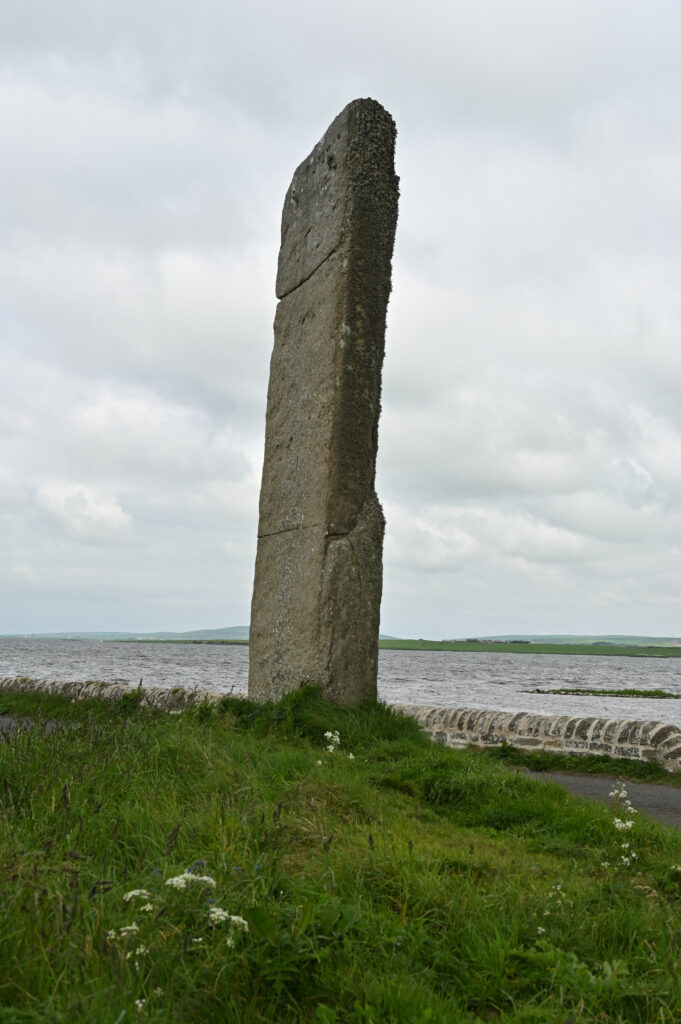
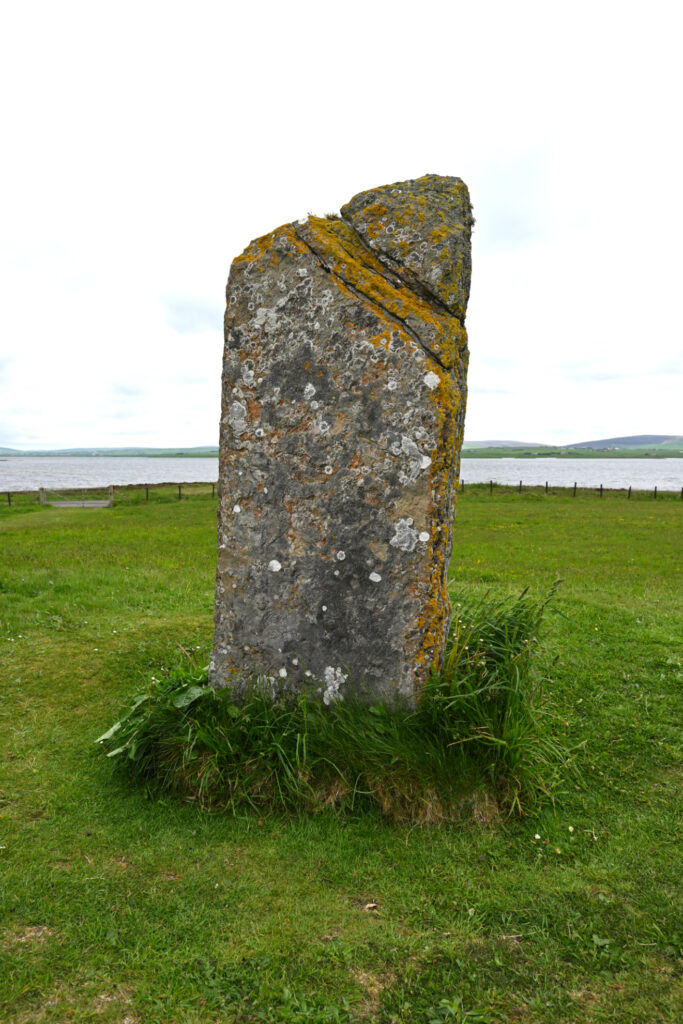
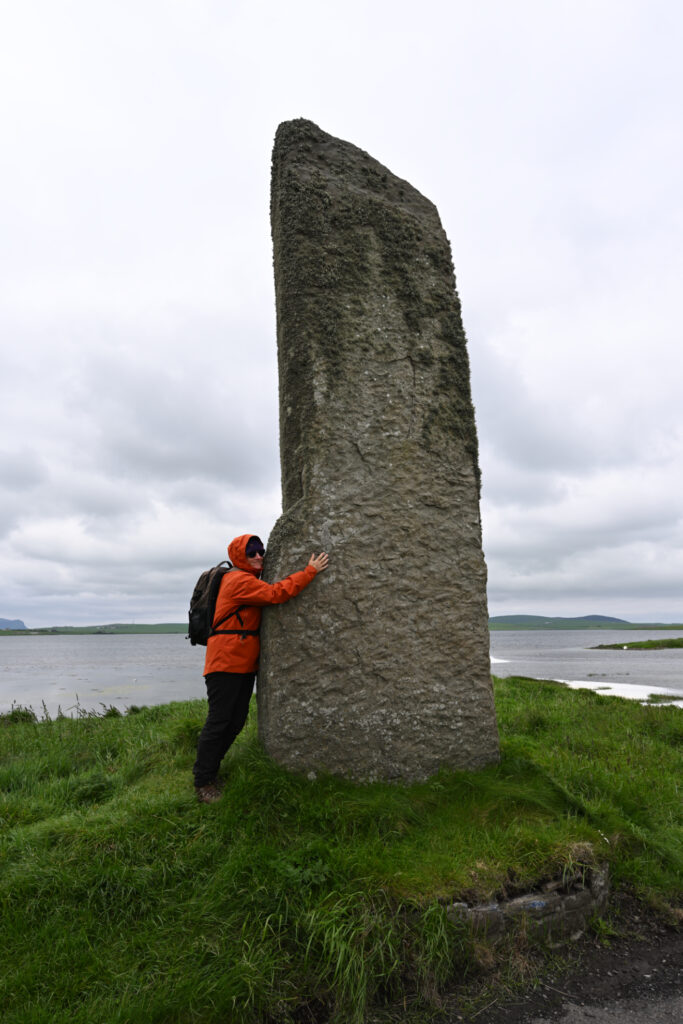
Both the Comet and Watch stone are located between the Ring of Brodgar and Stones of Stenness. It looks as though all the stones are part of the same extended monument, but apparently they were erected over a period of over 1,000 years.

The Comet (shown first) is relatively small – not even my height. The Watch stone is massive!

I like the fact that, although quite a lot is known about these stones and credible theories have been proposed, nobody knows for certain precisely why they were built, or how they were used.

The weather was a bit blurgh when we arrived, stayed that way as we drank a pot of tea and ate Empire biscuits and fruit slices respectively, and stayed that way after we’d had a good look and another tea break, so we plan to go back again later. It would be great to get sunset or sunrise photos, wouldn’t it?