Orkney food and drink

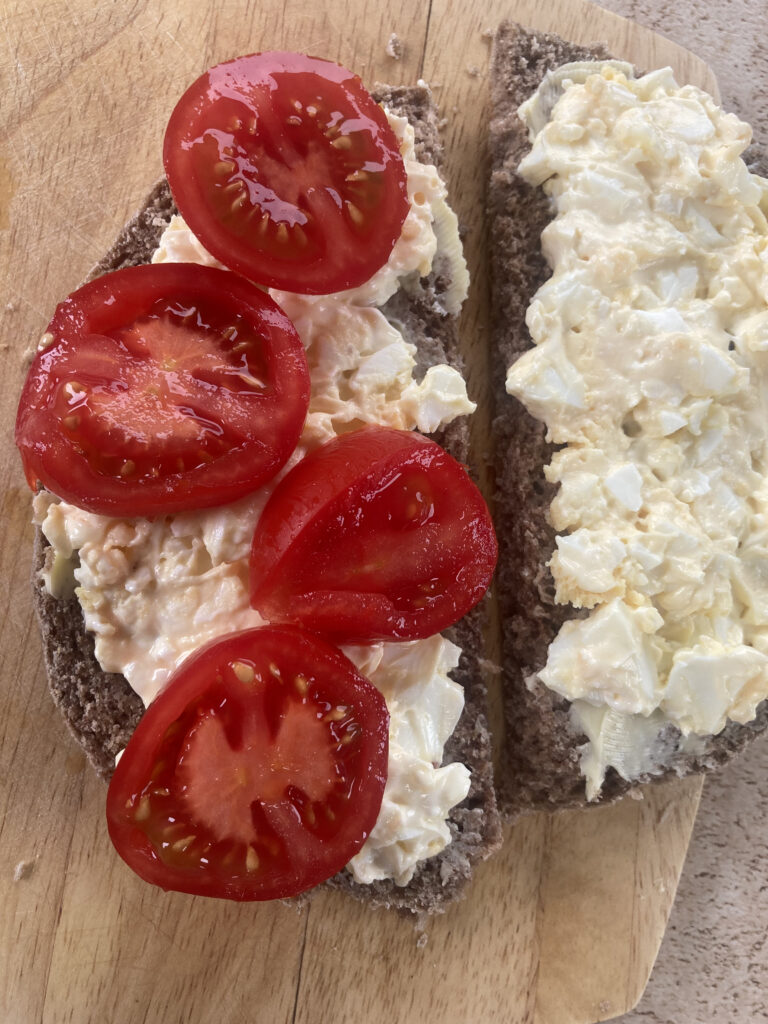
I’ve not mentioned food and drink much. As I don’t want anyone worrying I may be wasting away or dehydrated, I decided to put that right. Orkney has loads of good places to buy food and drink – whether to eat on the premises or take back to cook in your van. There are several supermarkets, plenty of bakeries and tea rooms, four distilleries, a brewery – everything you need.

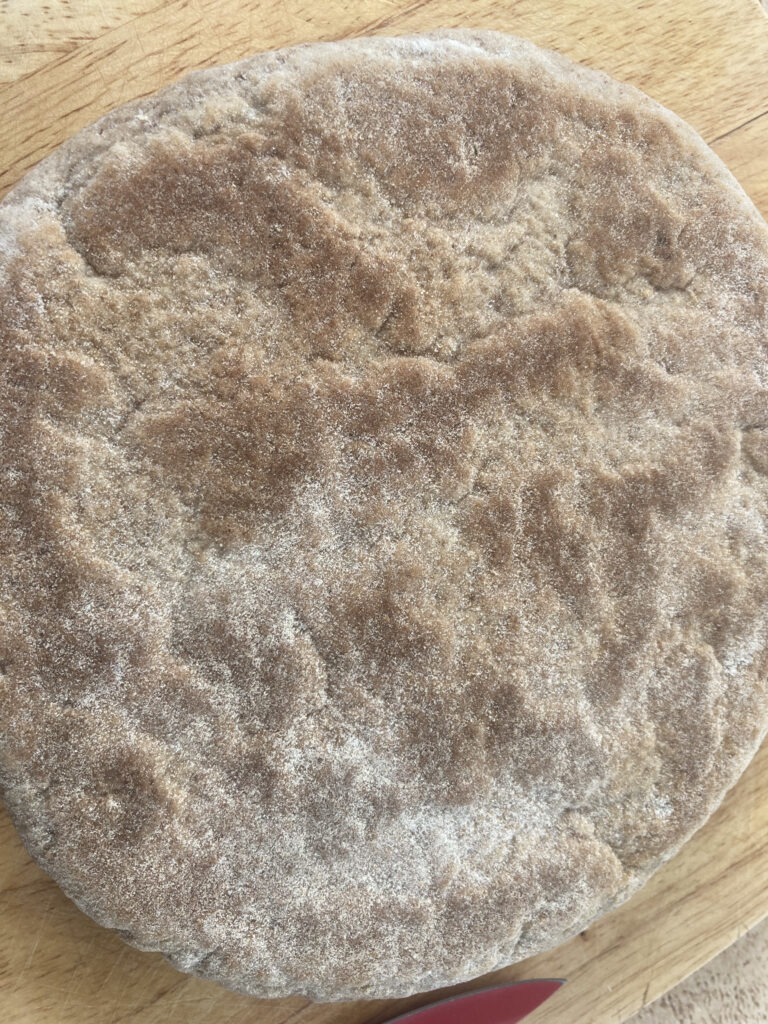
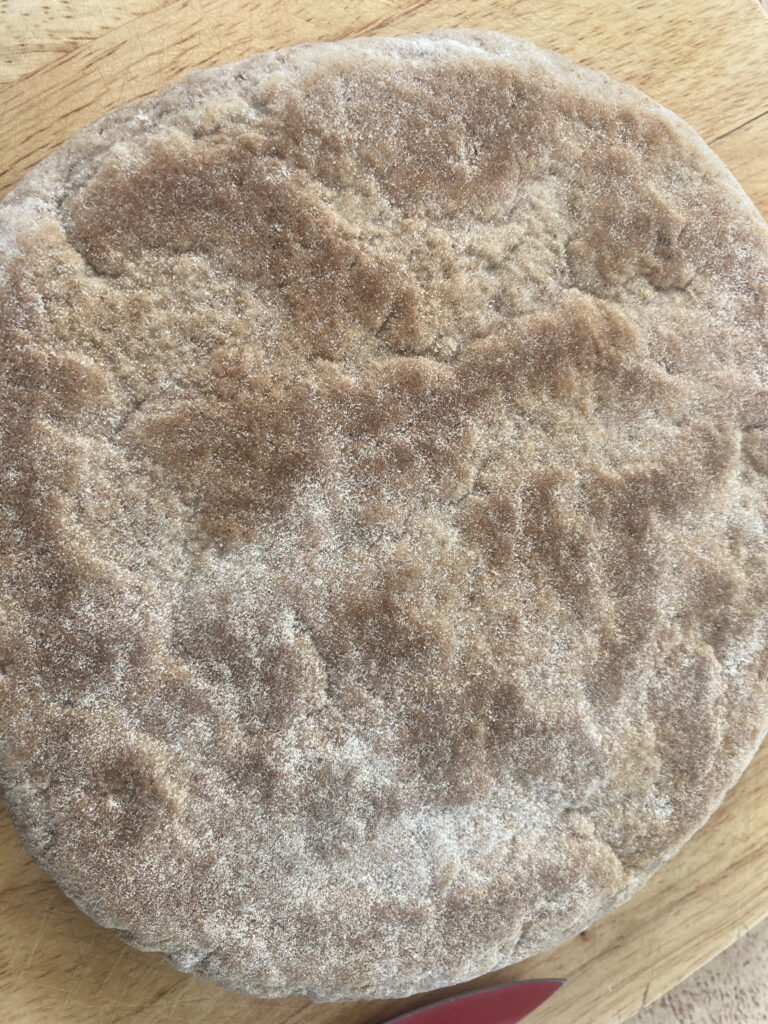
Orkney specialities include a farmhouse cheese, a little like halloumi, ice cream (I recommend the whisky and marmalade) and bread made with traditional bere wheat. We tried as many as we could, although I generally forgot to photograph them before sinking my teeth in!
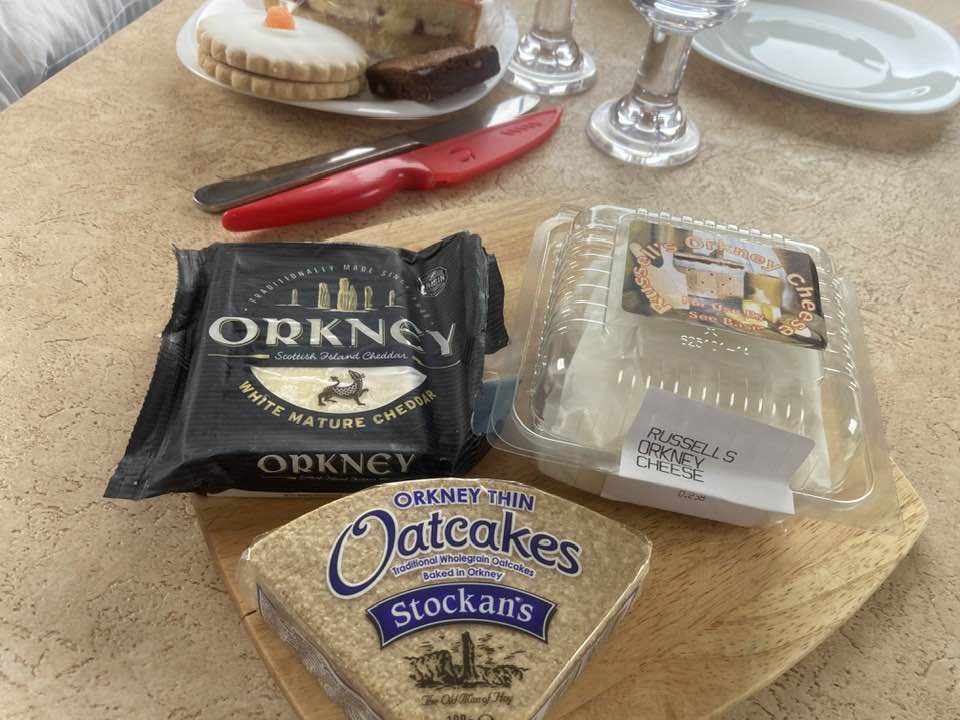
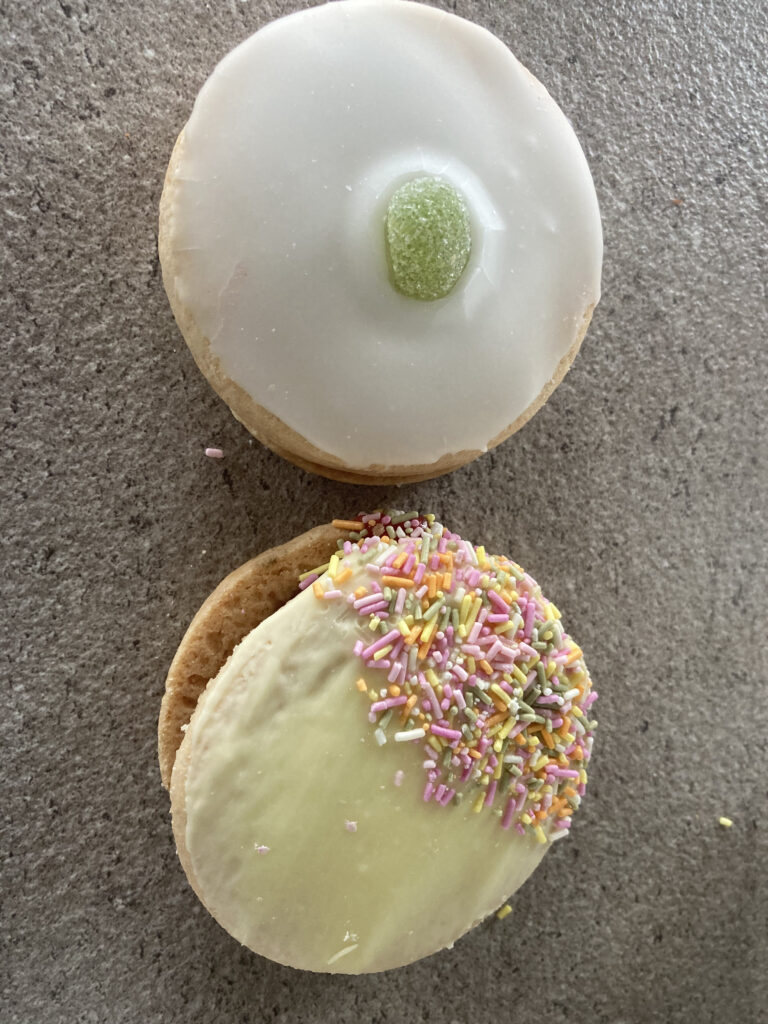
We had the bere wheat in the form of a bannock, which is a kind of bread roll. The Empire biscuits aren’t specific to Orkney, but they do seem to only be available in Scotland. Gary likes the ones with a jelly tot best, I prefer the lemon and raspberry.

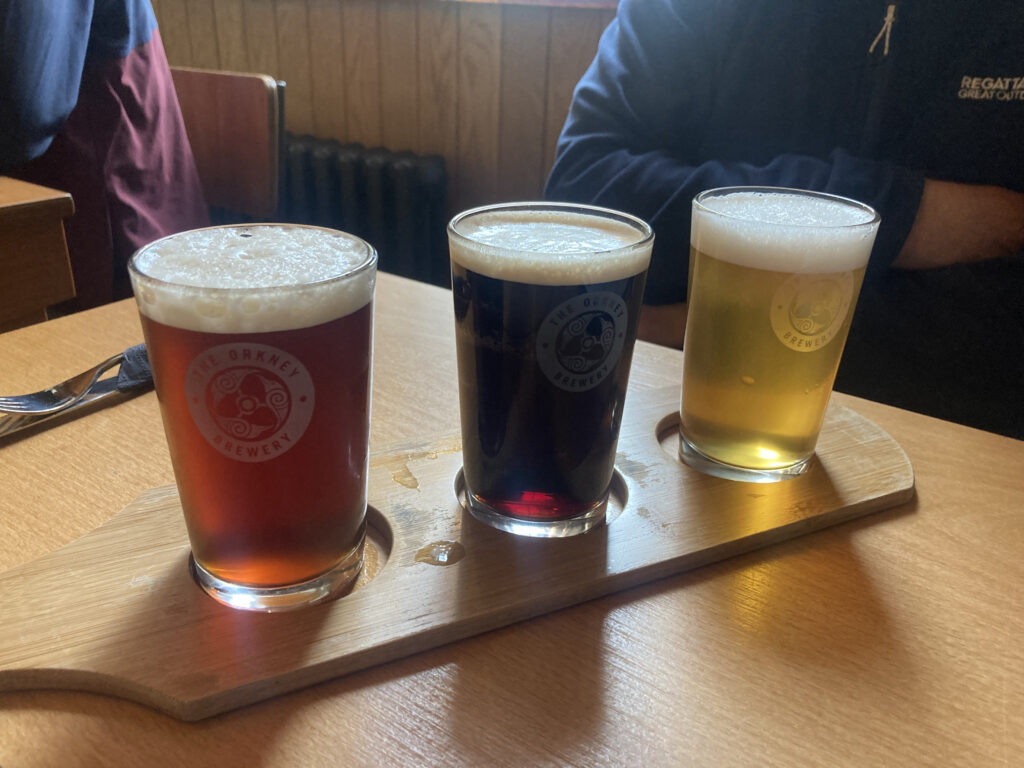
Gary tried a selection of Orkney beers and a traditional steak pie when our friend took us to lunch in the brewery and I had a burger with haggis (and possibly an Orkney fudge cheesecake). Thanks, Jim – it was delicious.
Ness of Brodgar

This is quite a long post with a fair few photos, so you might want to get yourself a drink and snack before you start – I did!

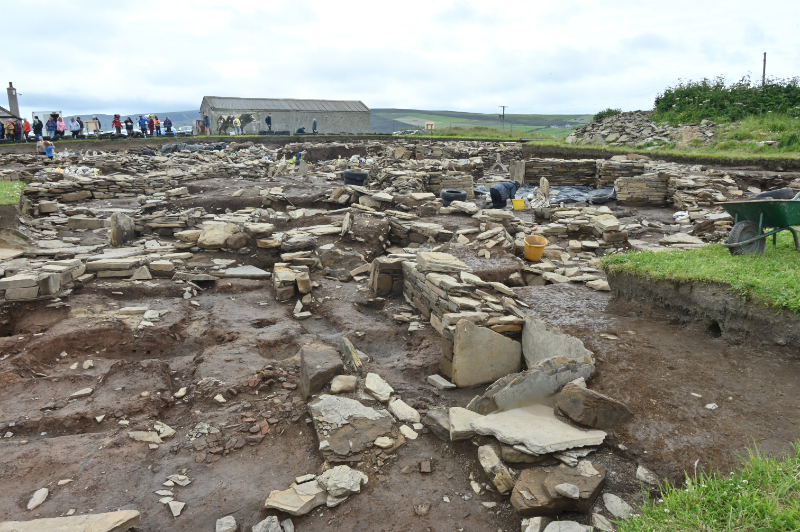
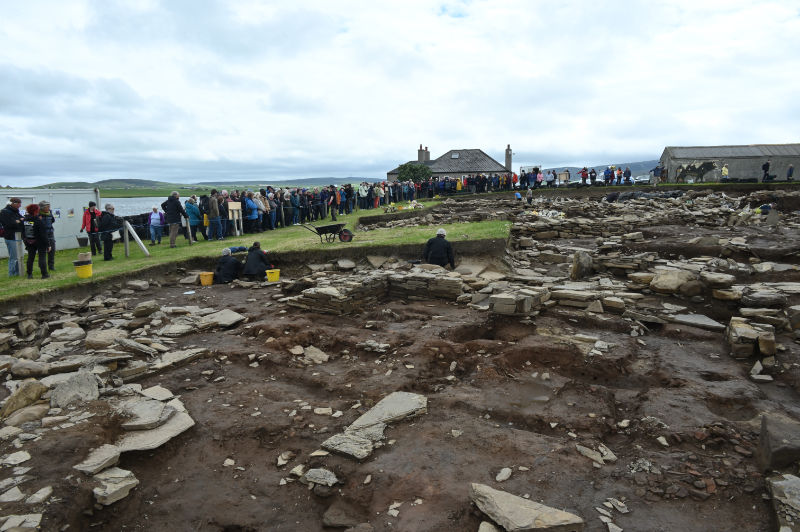
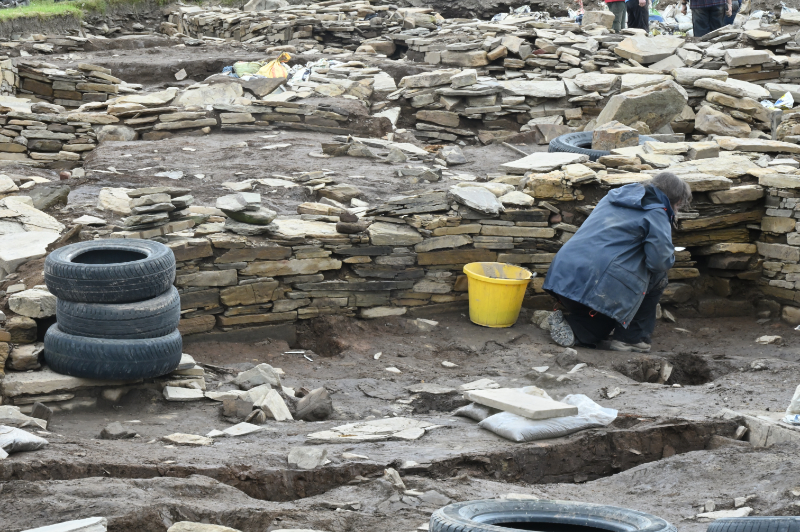
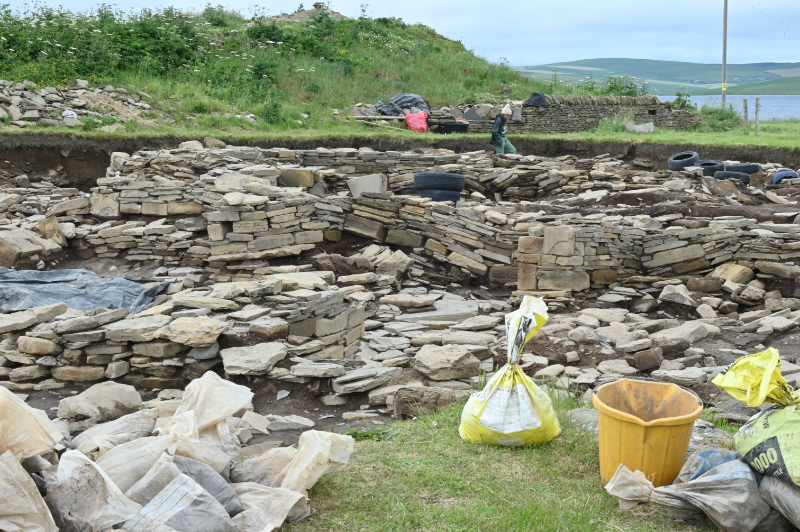
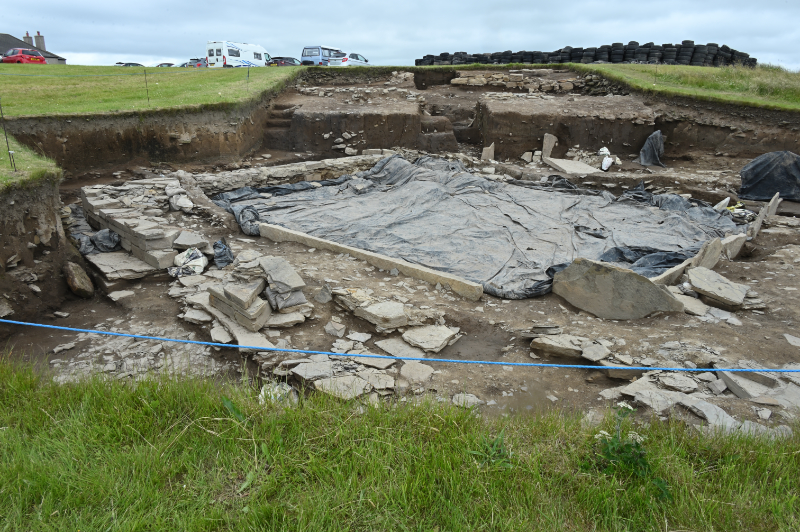
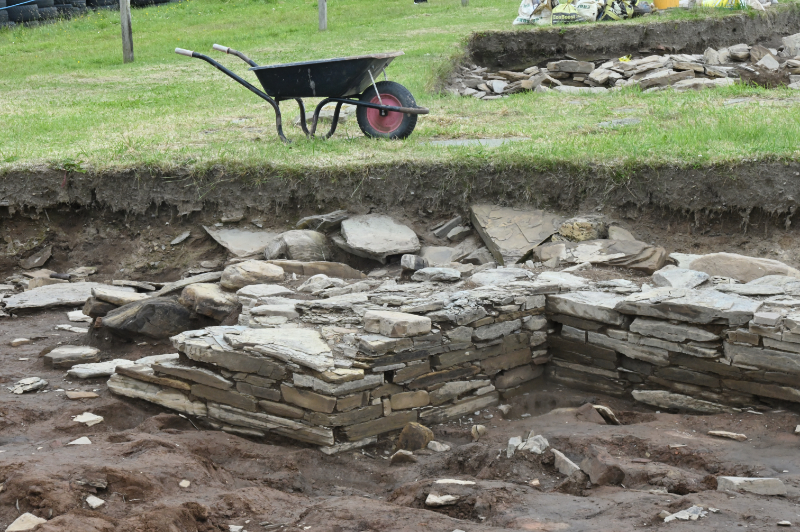
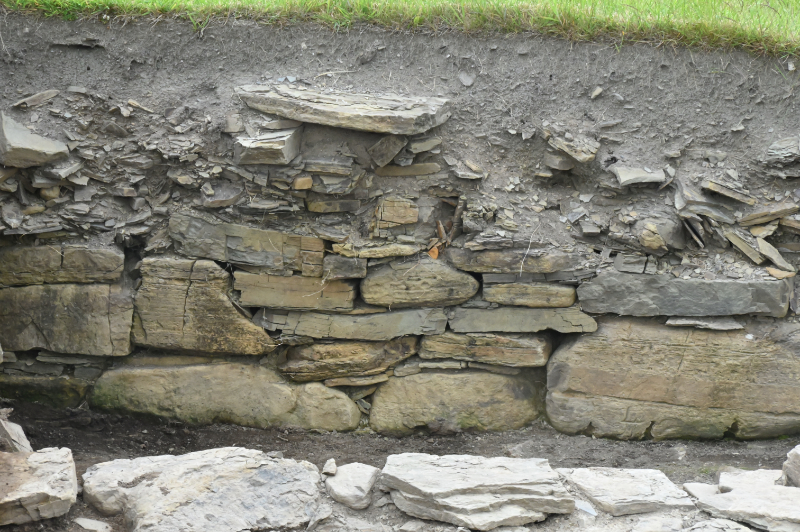
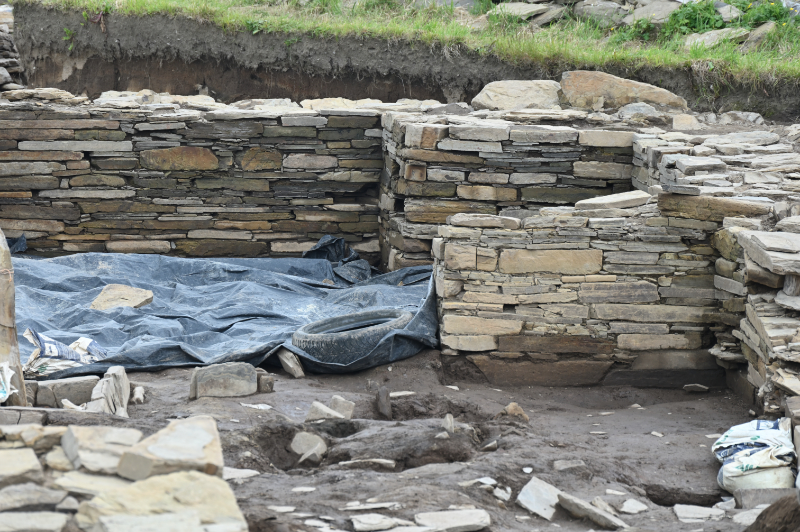
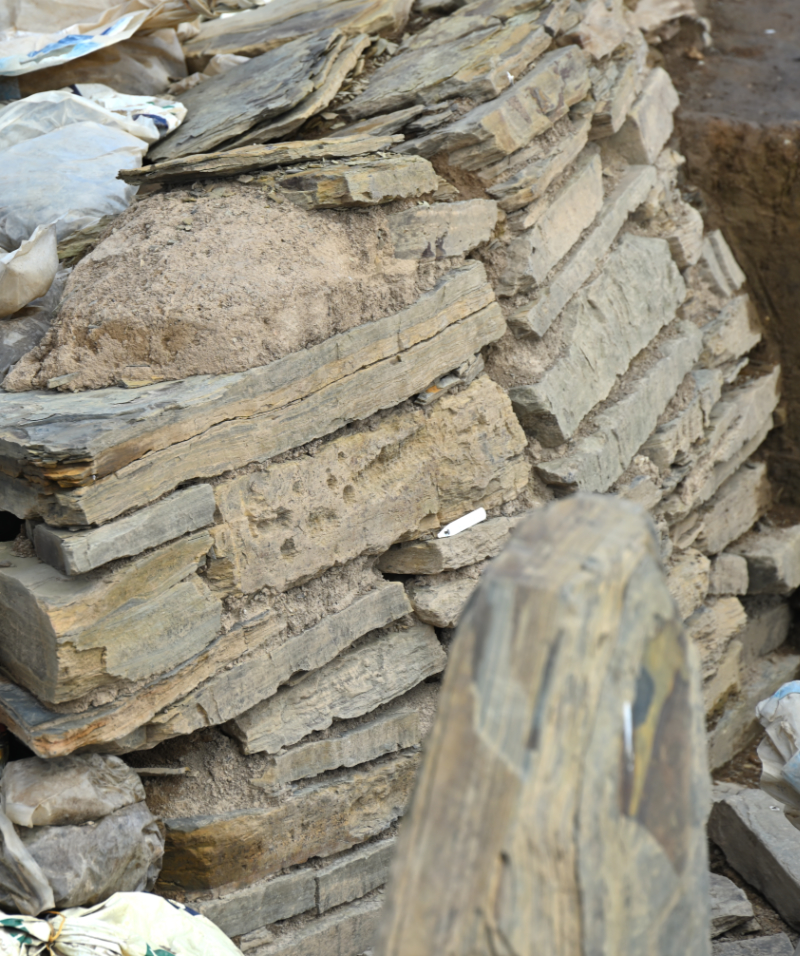
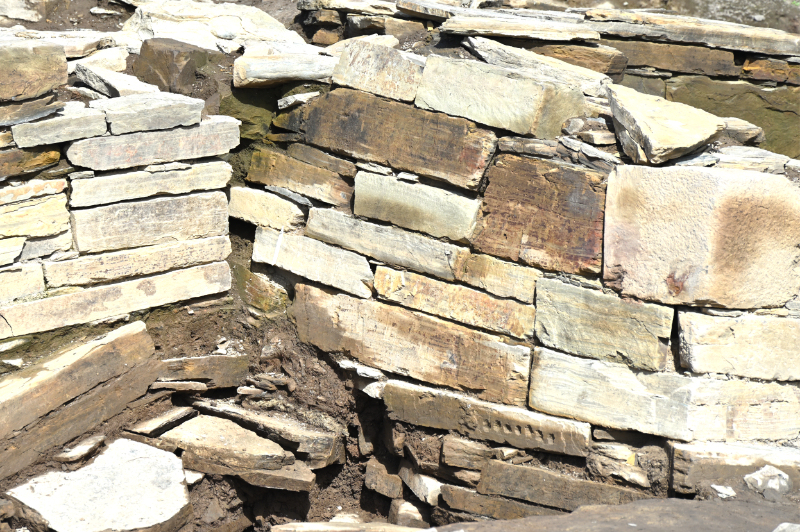
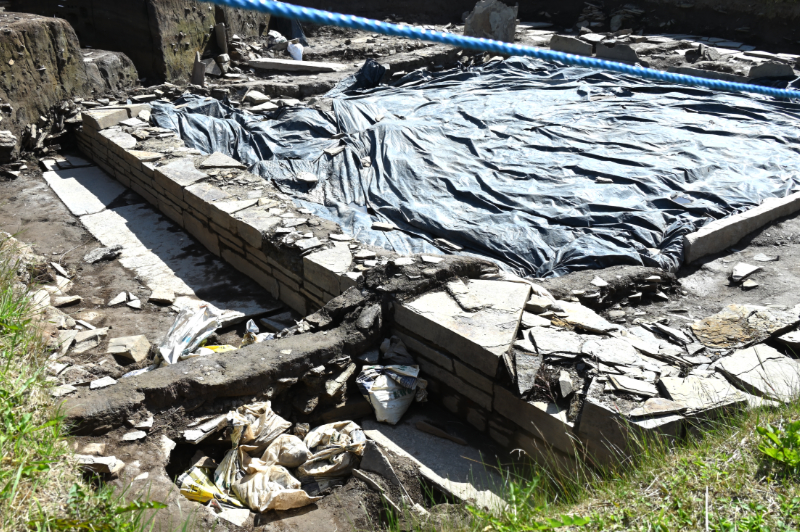
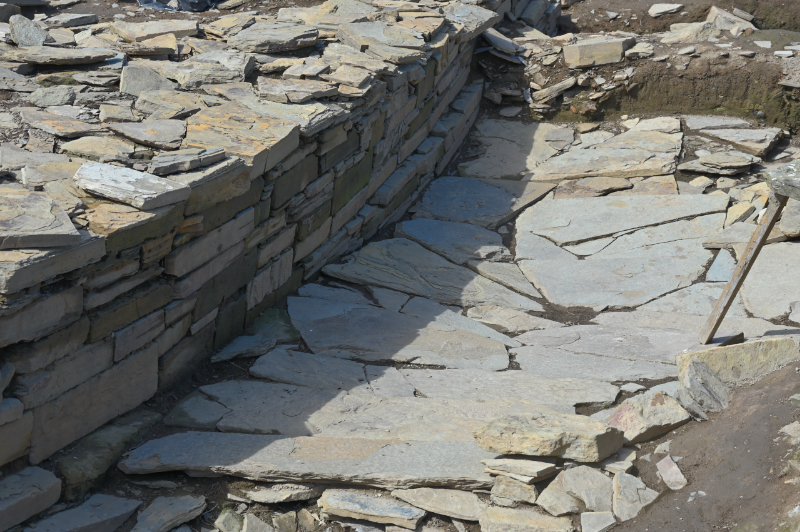
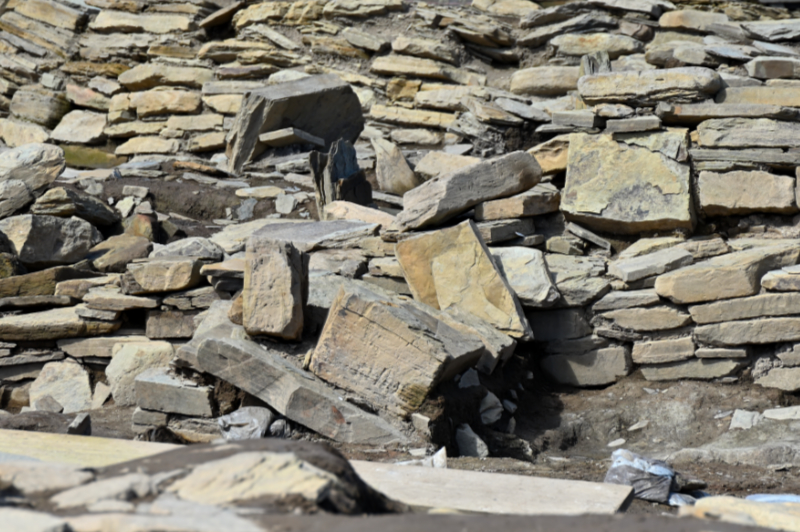
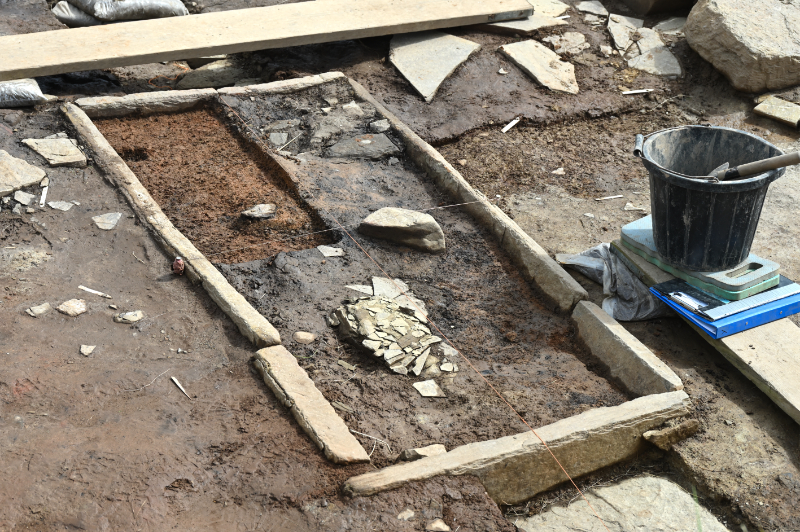
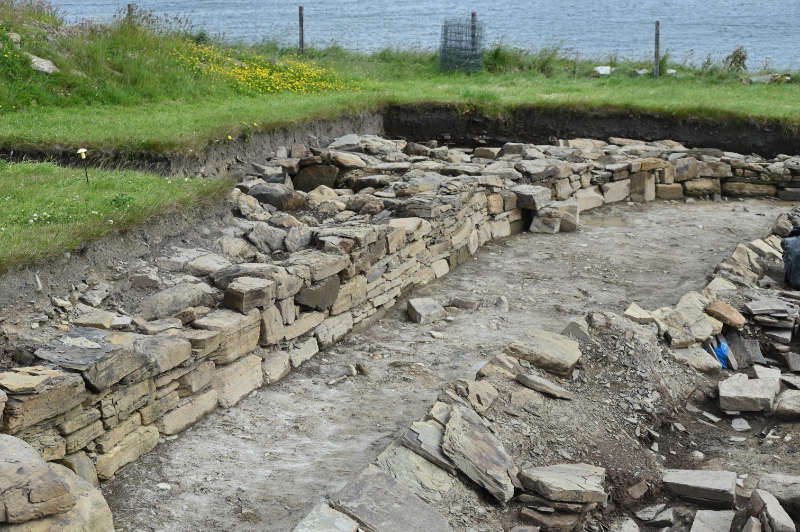
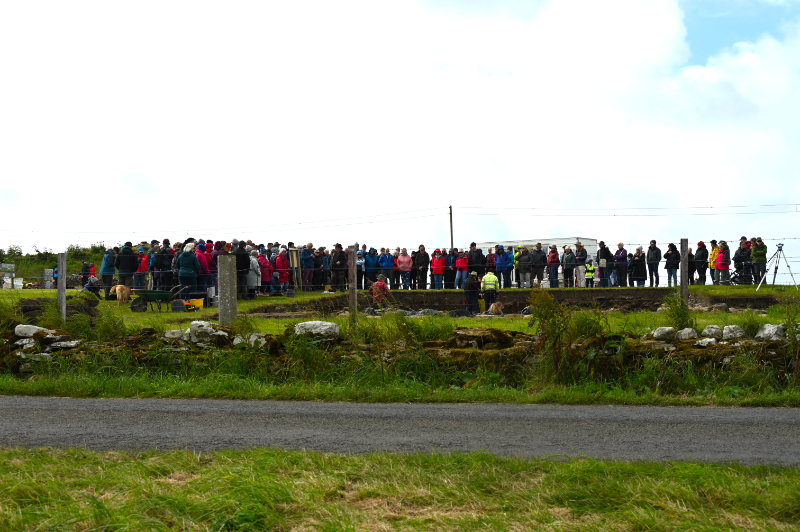
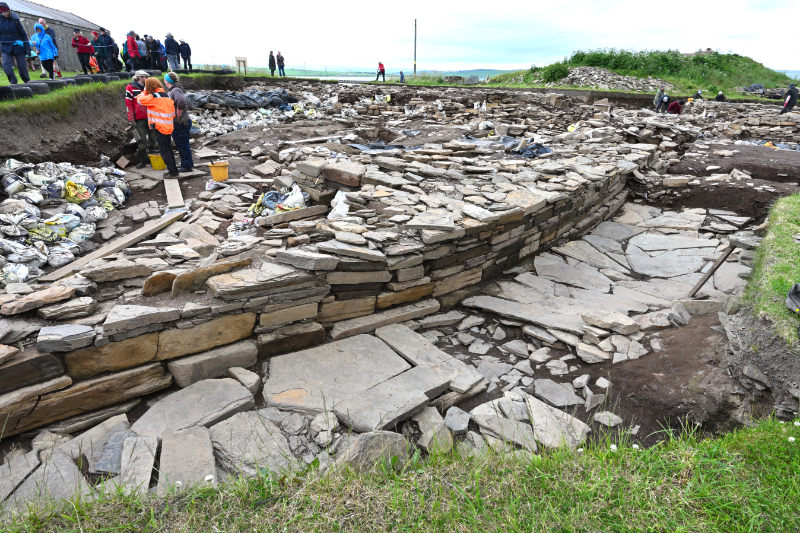
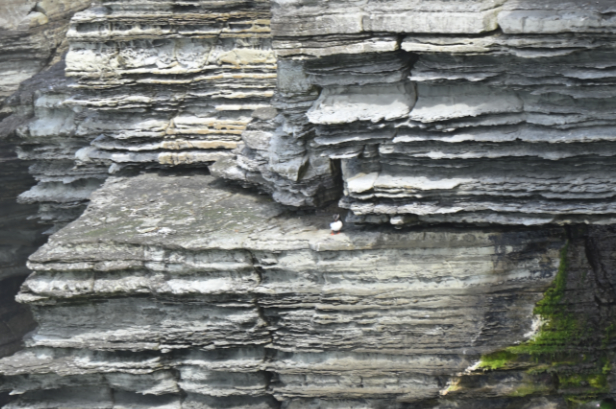
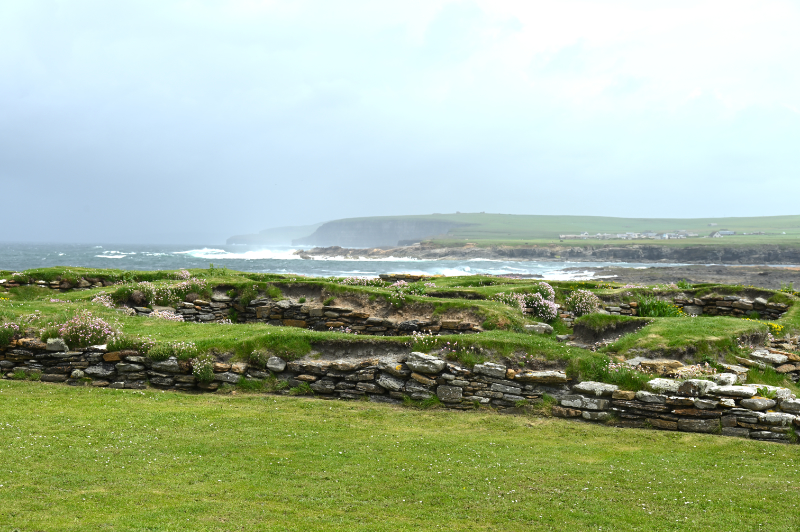
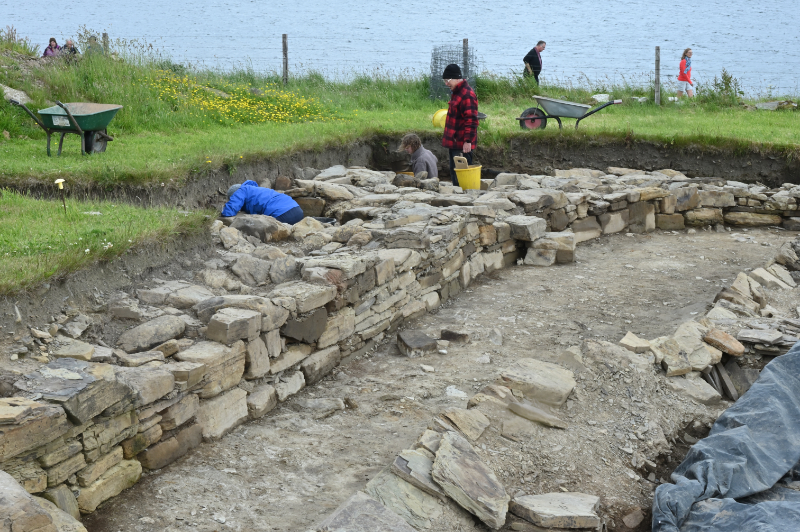
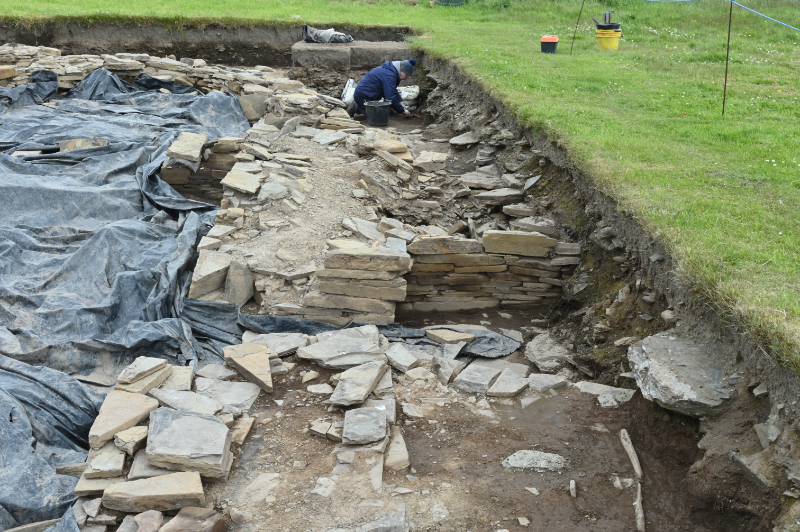
The Ness of Brodgar is a huge neolithic site, near the ring of Brodgar. It’s similar to nearby Skara Brae in some ways, but is believed to be even older and is made from different rock. As some of the photos show, the archeology starts just a few inches below ground, yet amazingly the site was only discovered in 2003 and at the time was thought to be a small tomb! Other photos show how the stone is ‘delaminating’. It’s because of this that the site will be back filled at the end of this year, to preserve it for future generations, despite only a fraction of it having been excavated. That makes this summer the last chance to see it – and perhaps explains the huge crowds of people taking advantage of the opportunity.

These images were taken the first day the site re-opened to the public.

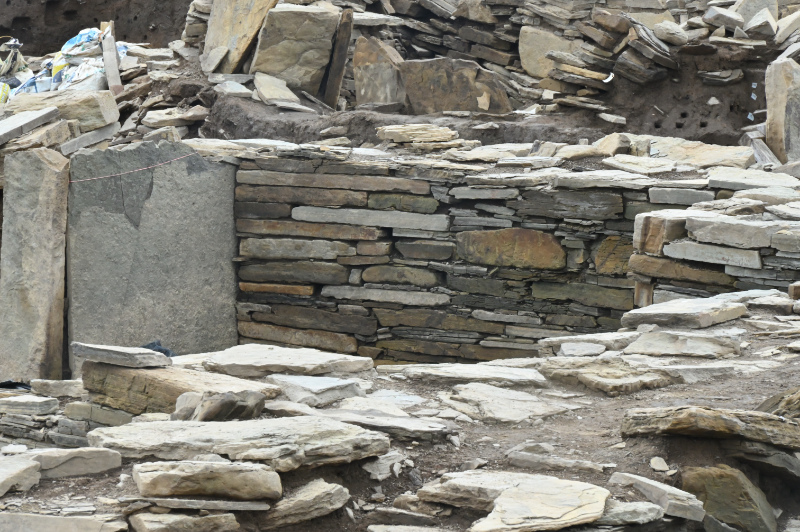
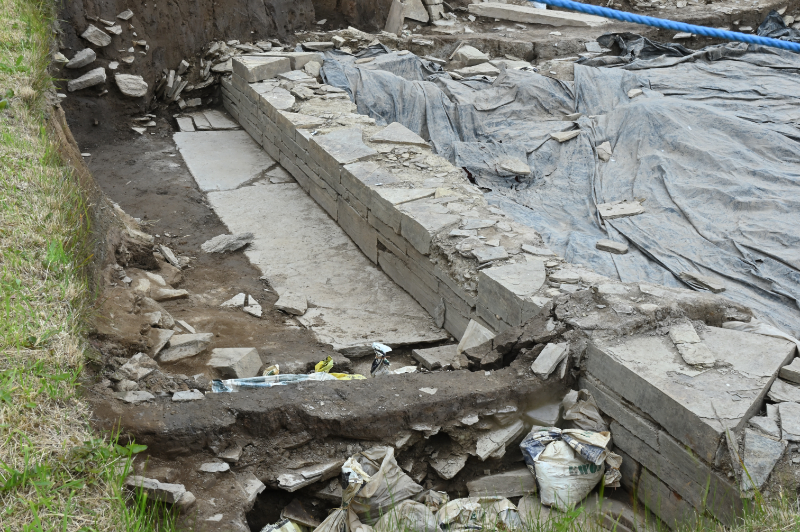
In some images there is clear evidence of subsidence. This we were told was due to ‘shonky’ workmanship. The builders could clearly do good work, but hadn’t bothered with proper foundations – the theory is these may have been temporary structures.
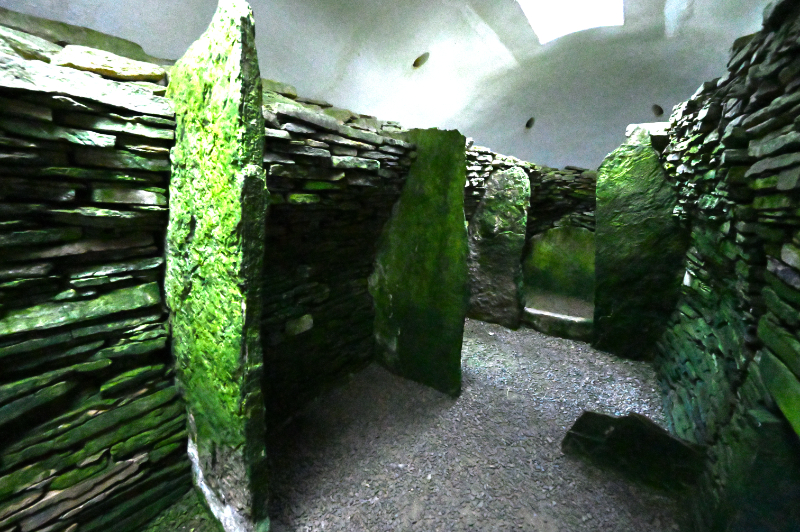
In other pictures you can see nice straight lines and neat corners. That’s just how they found it – nothing has been reconstructed or repaired.
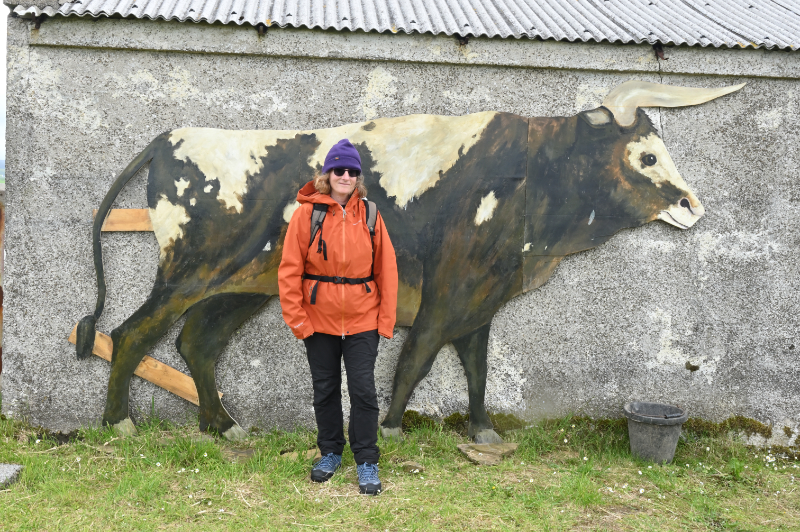
Talking of snacks, evidence of feasting was found at the ness. About 400 cattle legs seemed to have been scoffed at one event. This is a life-sized representation of what those cattle would have looked like. A well nourished writer has been included for scale.

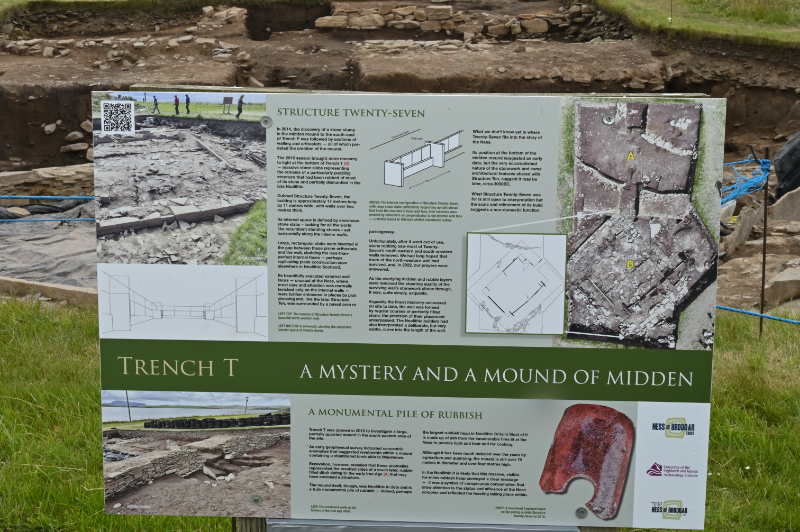
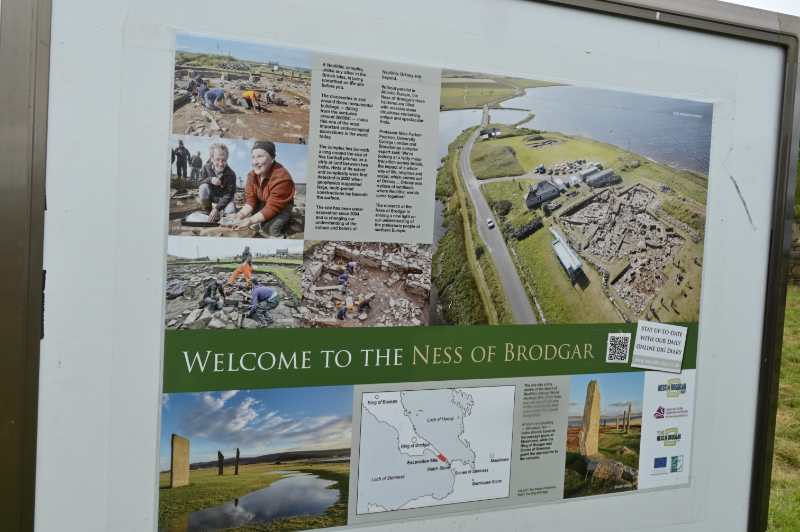
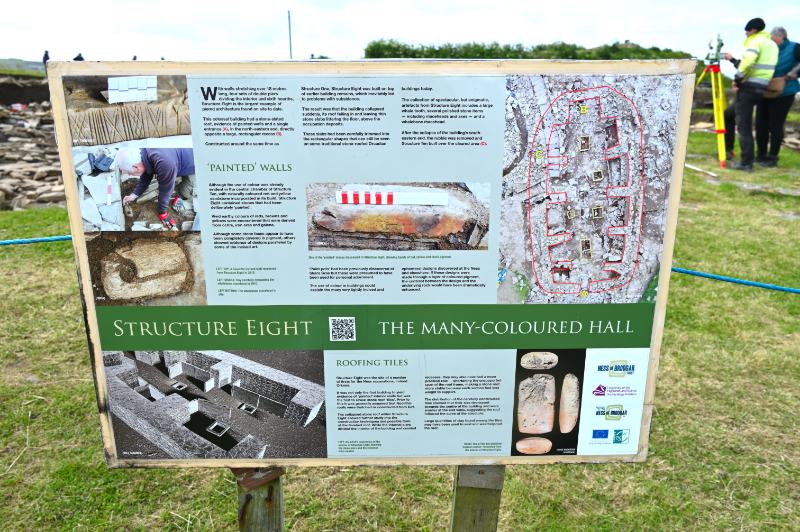
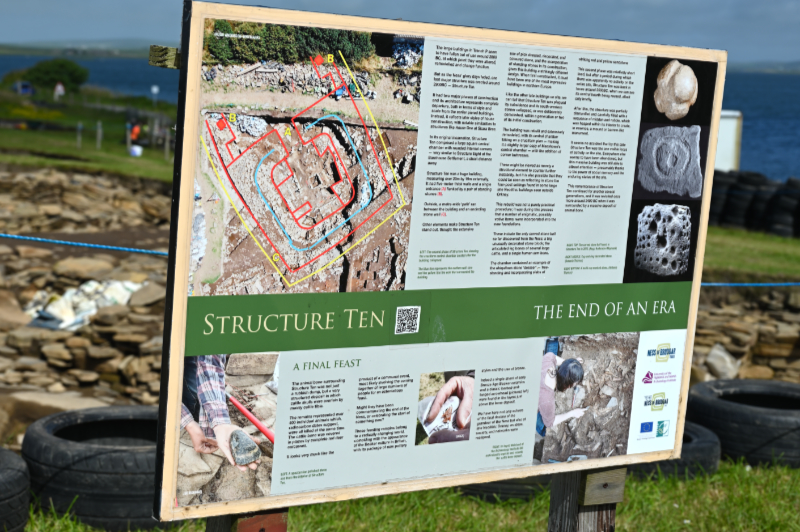
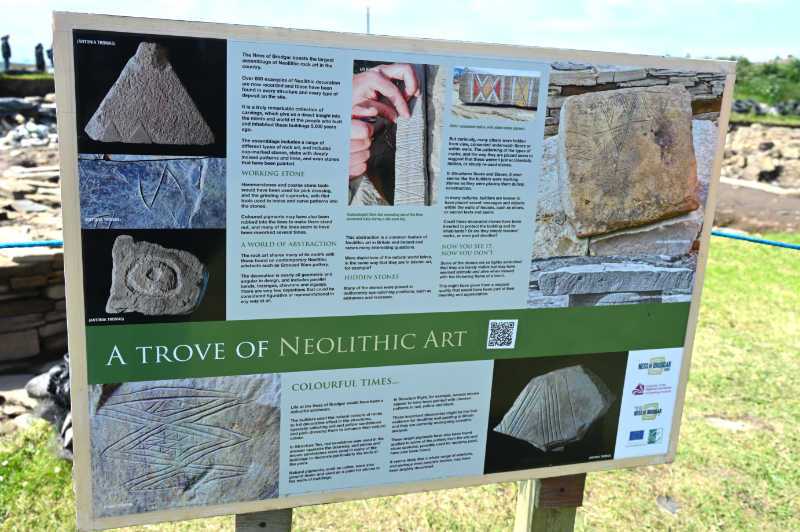
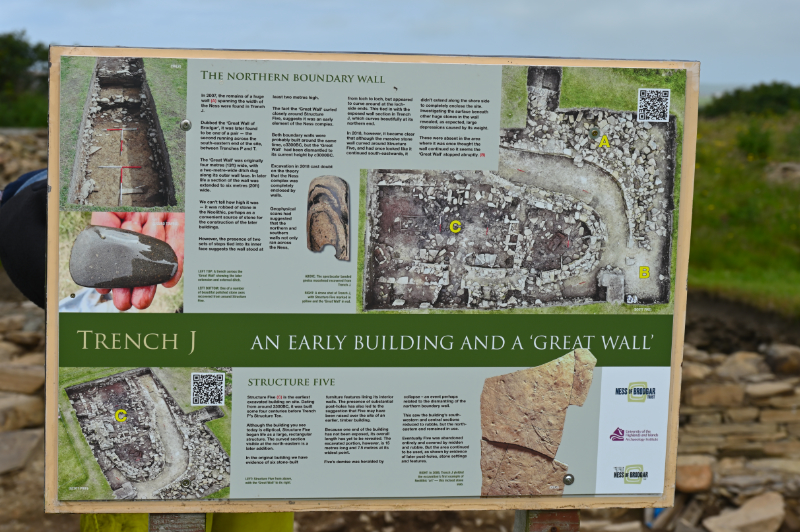
We found the site so interesting, we went back another day, when more had been uncovered. Obviously we took more photos! I’ve included a few details of what may be neolithic art, and some small ‘standing stones’ which were used for other than structural reasons – plus a few more signs which explain eveything better than I can!

Wednesday word of the week – Simmer Dim

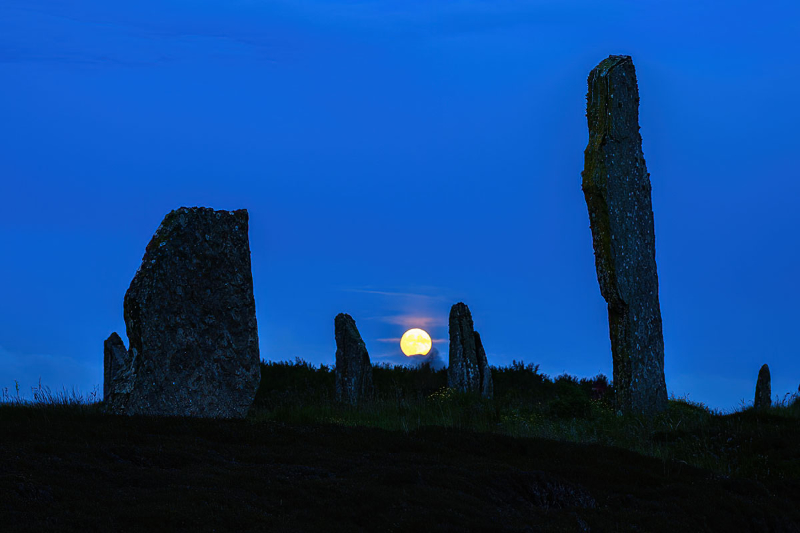
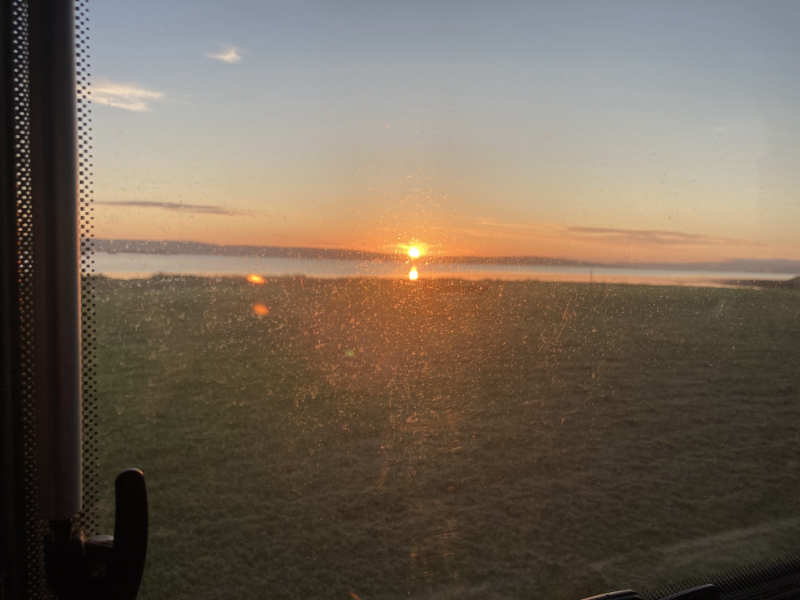
In Orkney it never gets fully dark around midsummer. The sun sets below the horizon, and comes up again a few hours later, but it doesn’t sink far enough for total blackness. The resulting, rather beautiful and magical feeling, twilight is known as the Simmer Dim. (Thanks to my lovely friend, appropriately named Dawn, for telling me this.)

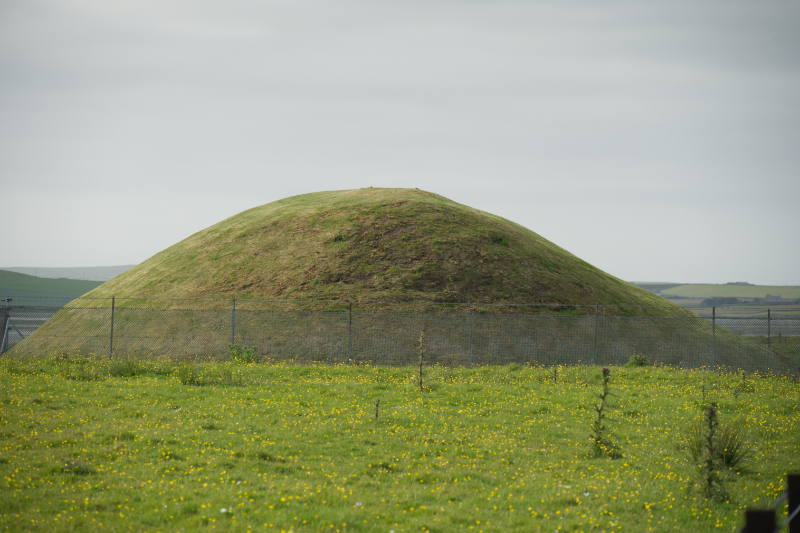
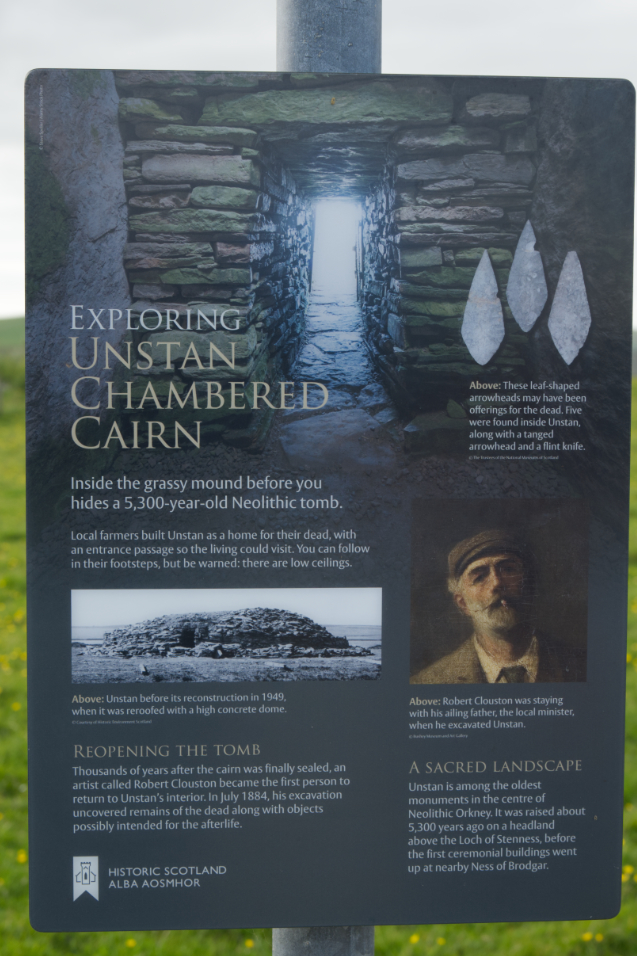
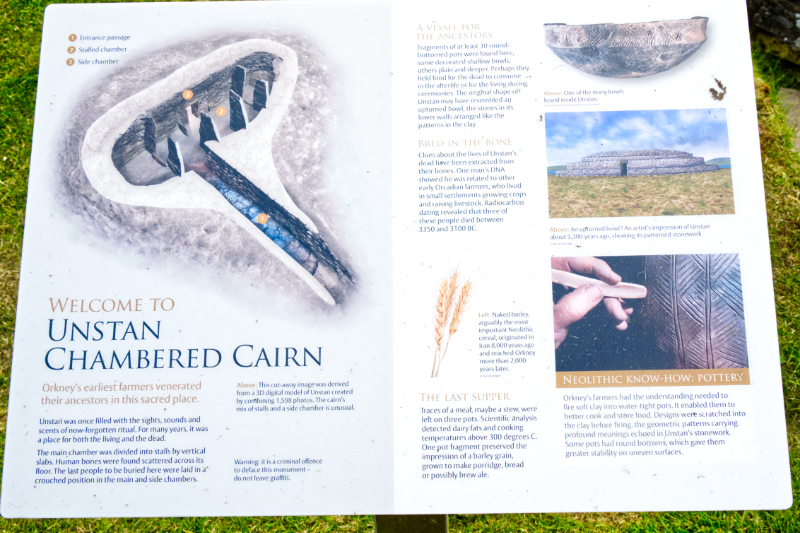
Unstan Tomb, Orkney

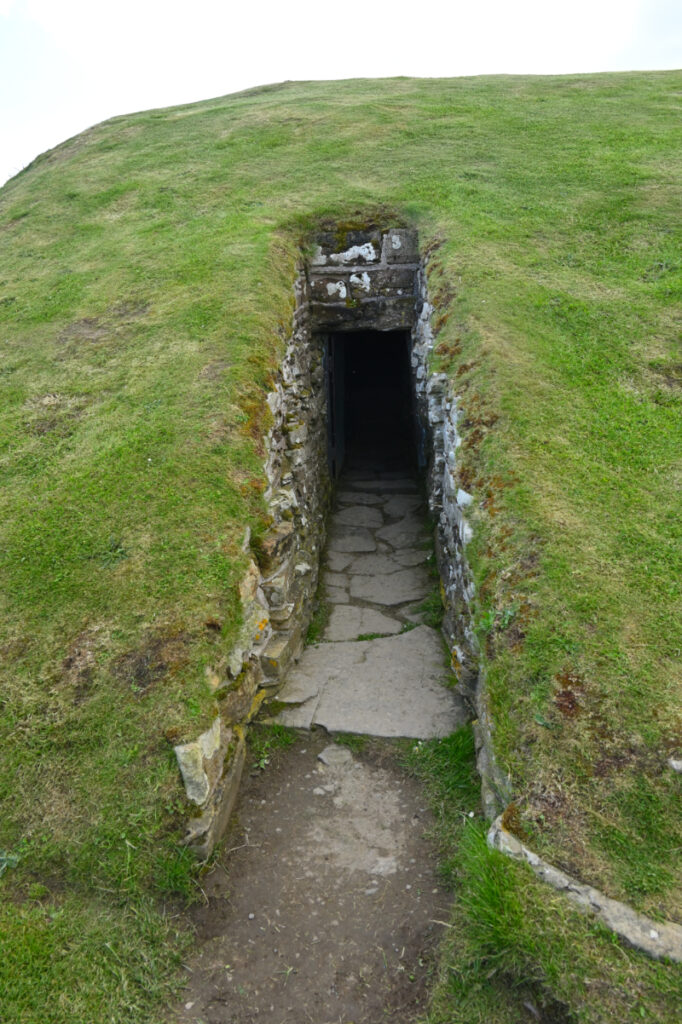
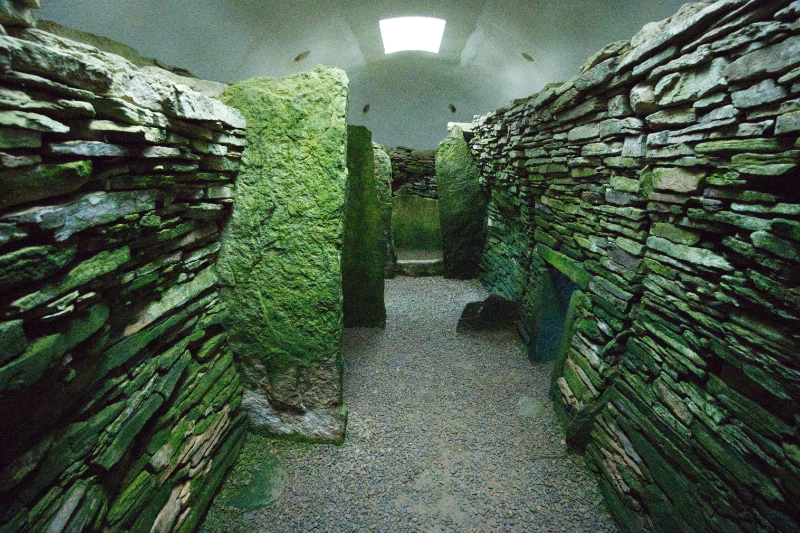
Unstan tomb is another of those 5,000 year old structures you have to crawl into if you want a look round – so obviously I did!

You’ll get a better look inside from the short film I made. What do you think of my videos – am I getting any better?

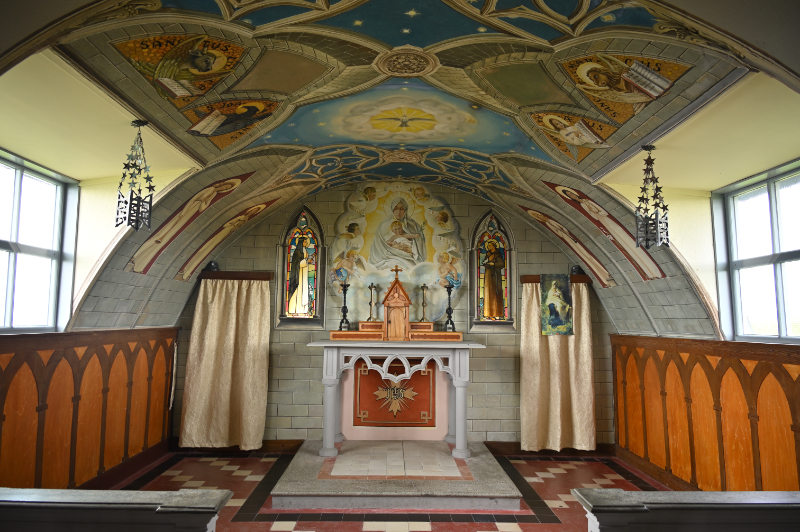
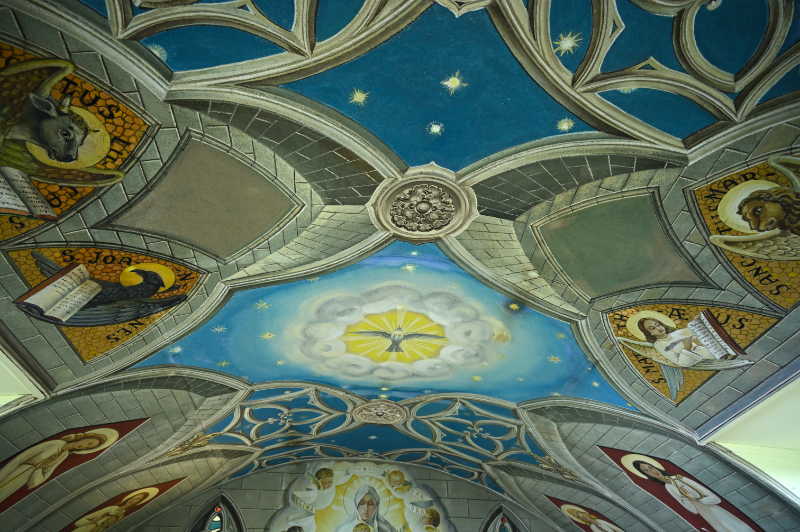
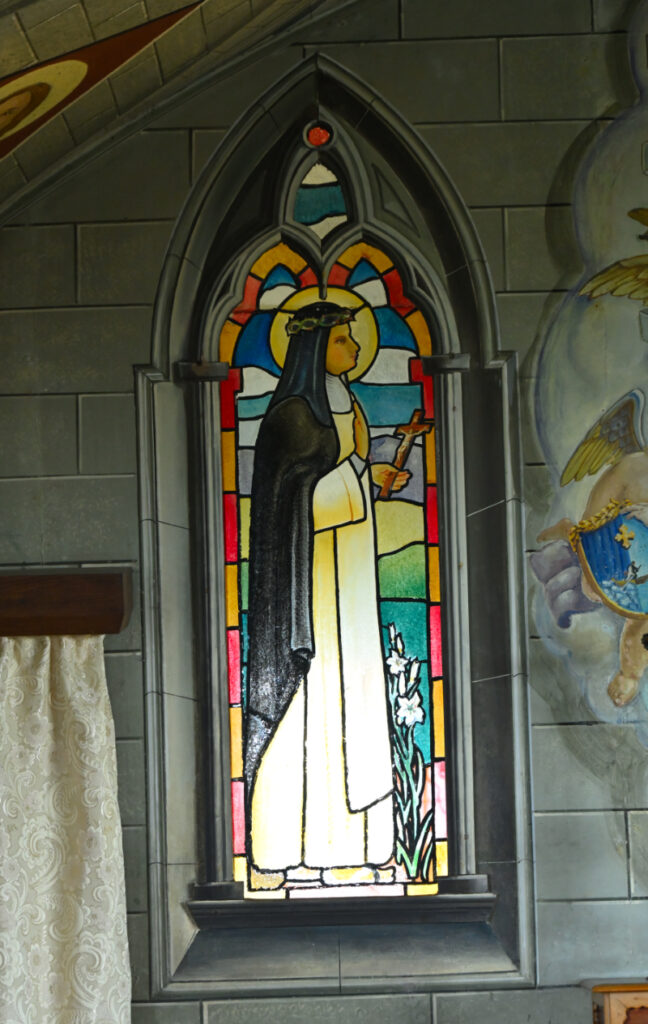
Italian Chapel, Lamb Holm, Orkney

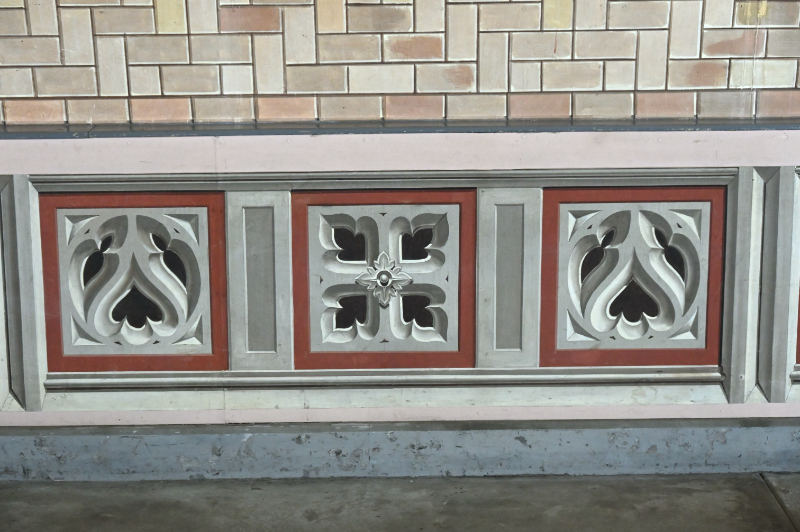
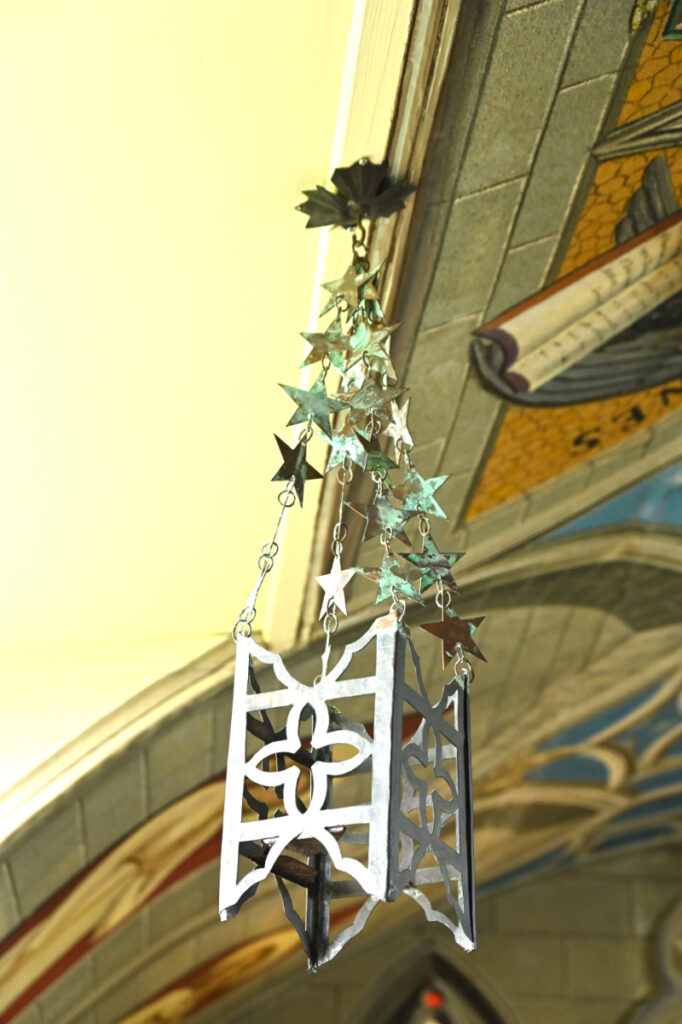
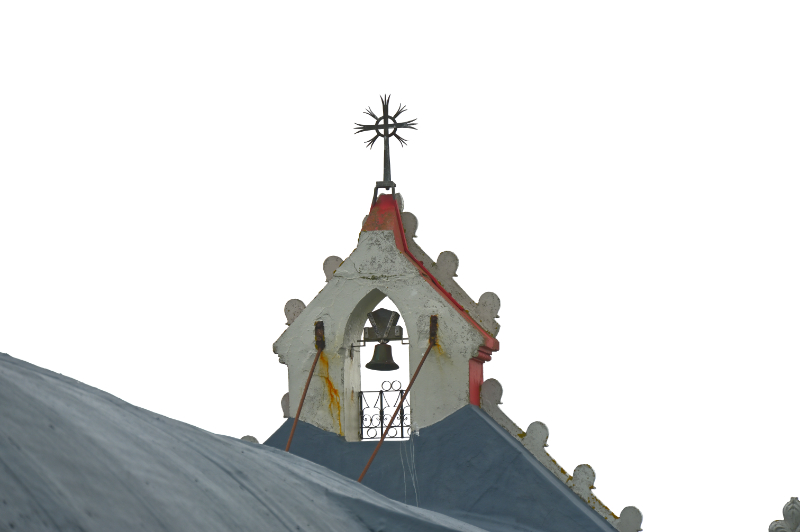
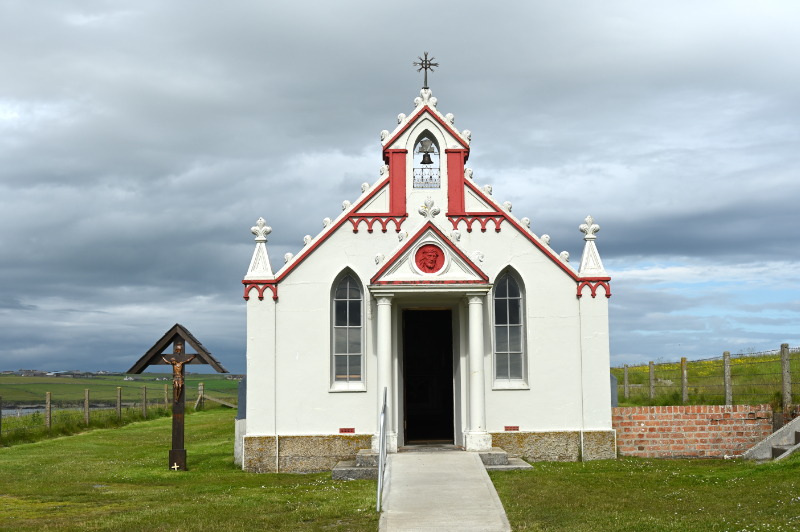
The Italian Chapel on Orkney was created from two Nissan huts and decorated by Italian prisoners of war during WW2. It appears that the inside is clad with bricks and there’s elaborate moulding or carvings on the ceiling and walls, but that’s not the case – it’s all a beautiful optical illusion created with paint.

The chapel is found on the small island of Lamb Holm, now easy to reach on account of the Churchill Barriers – also built by the Italian prisoners of war.

Brough of Birsay

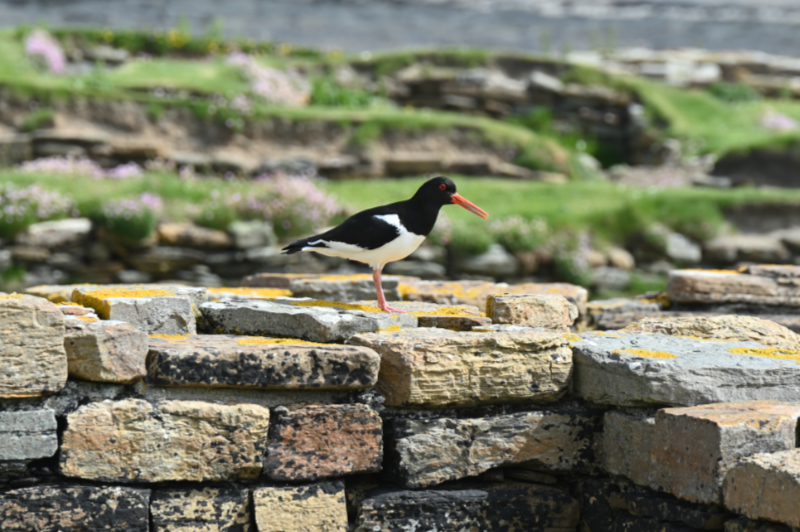
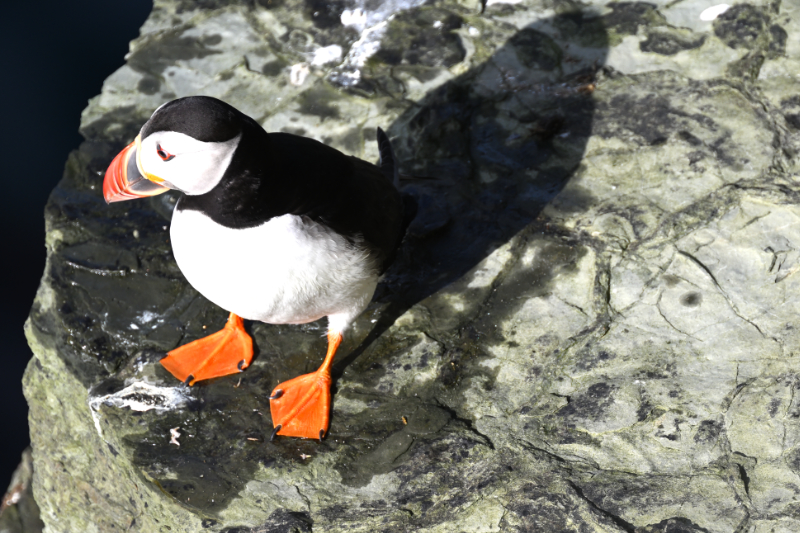
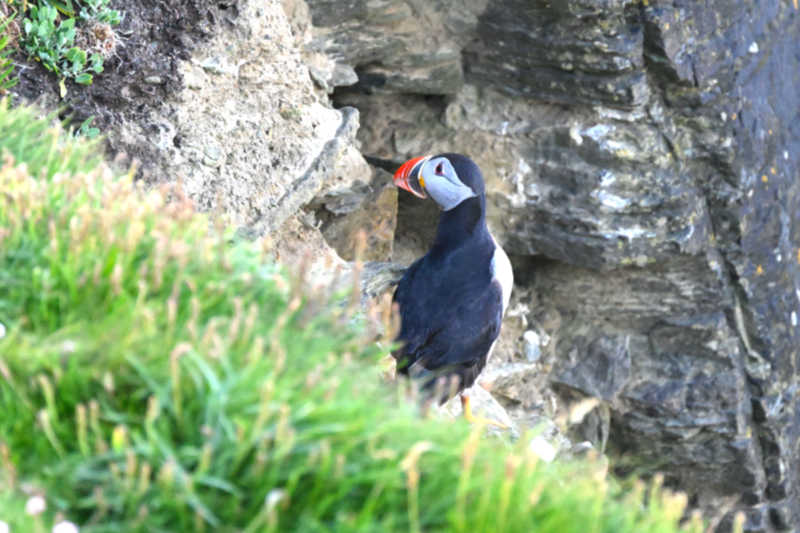
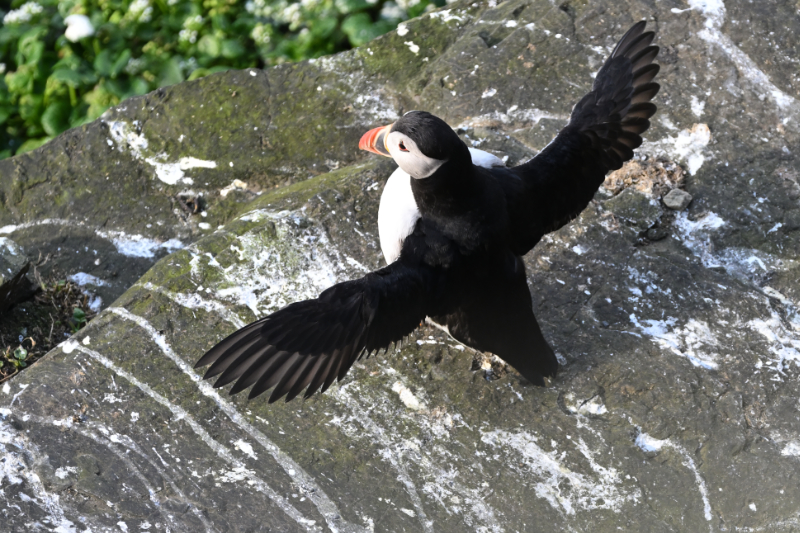
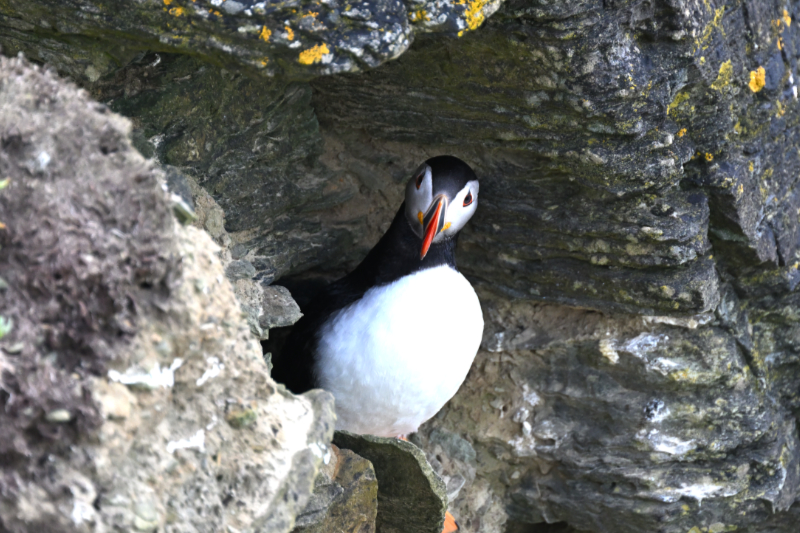
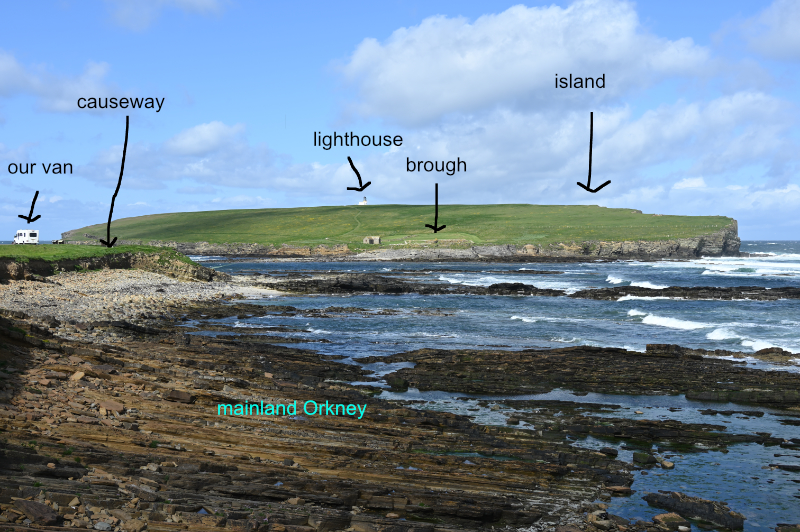
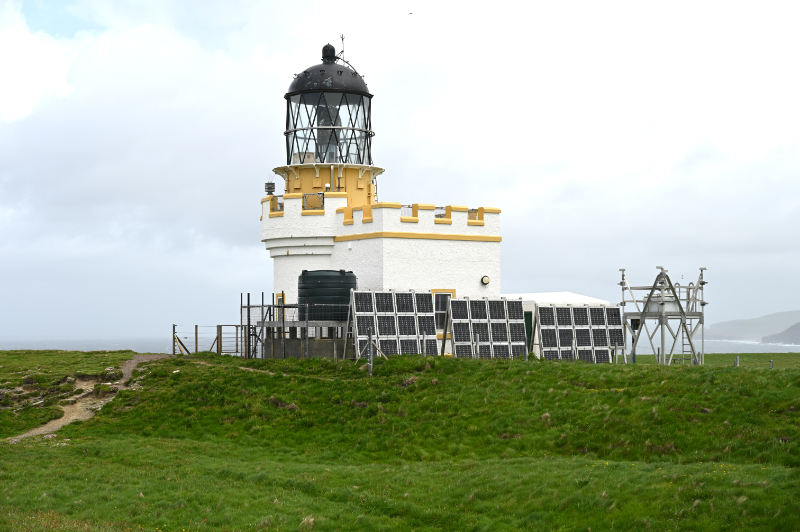
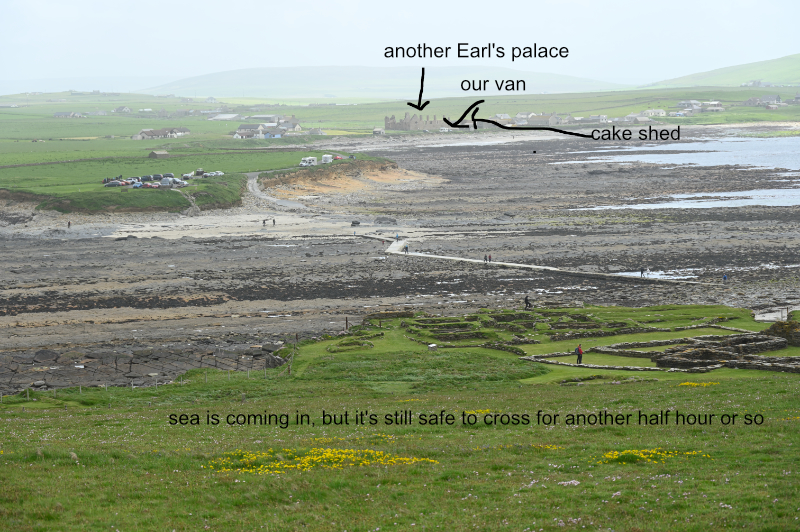
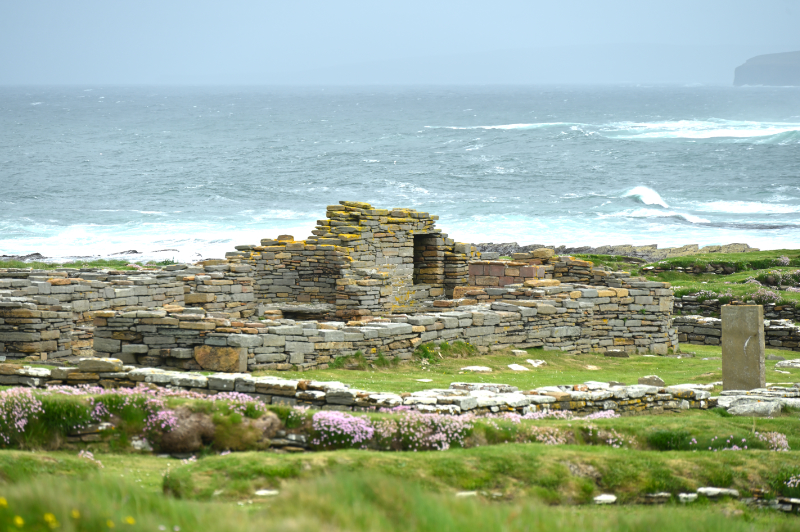
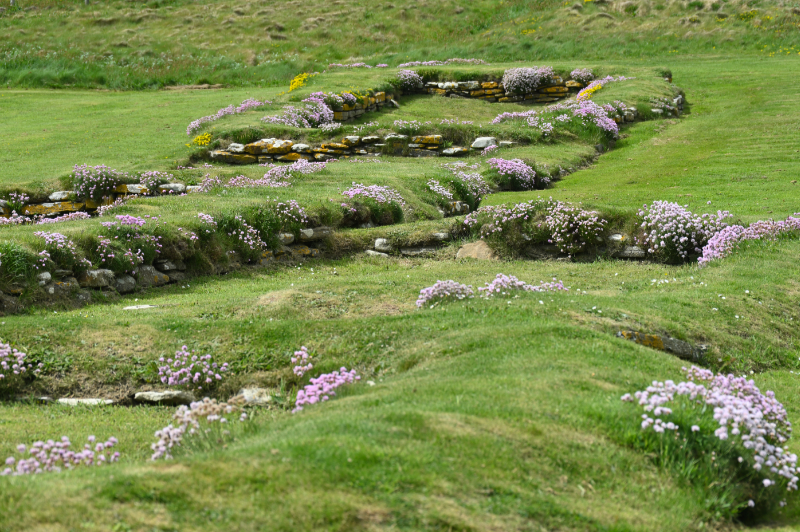
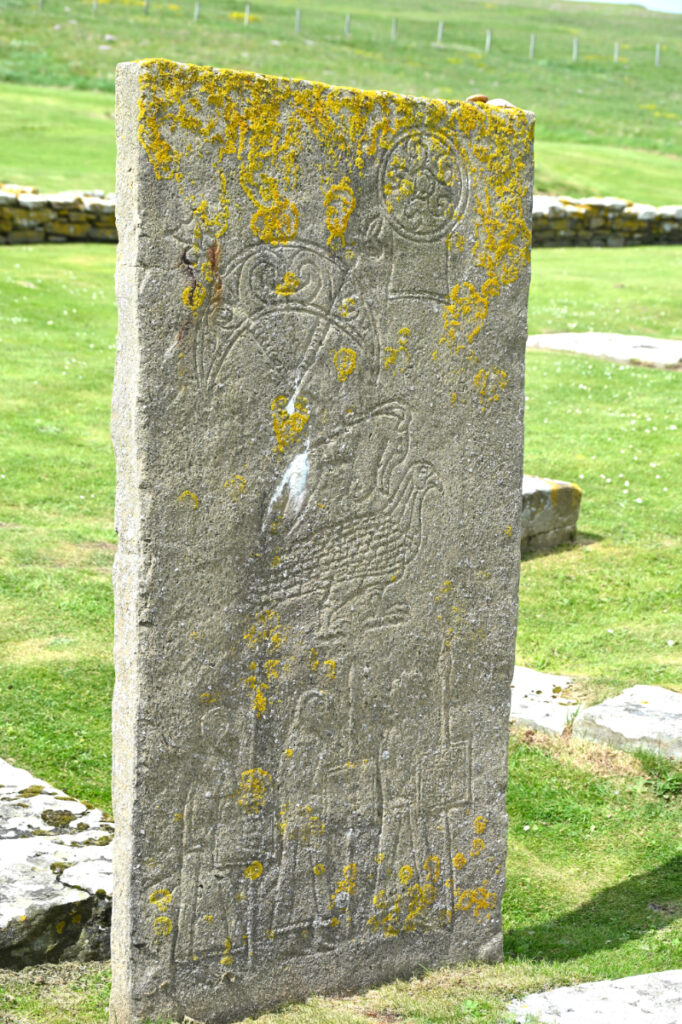
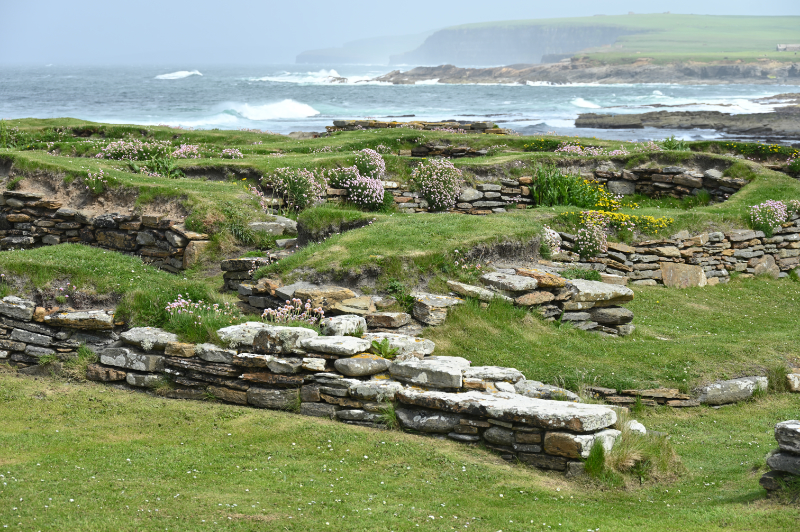
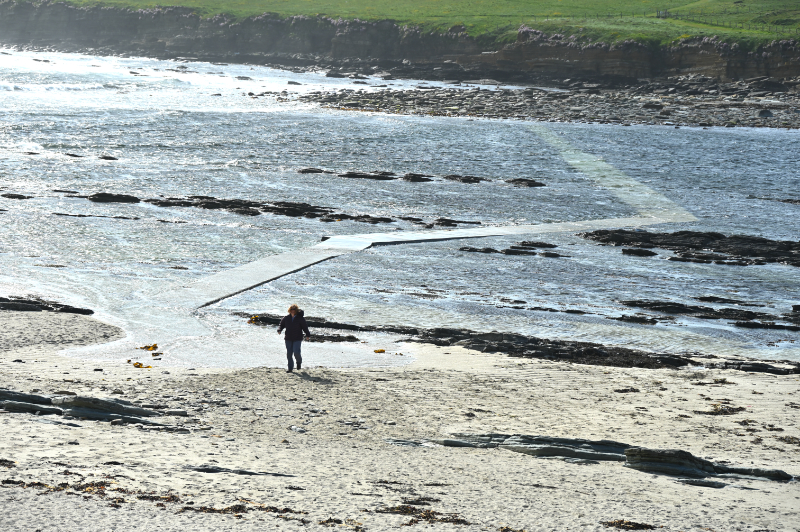
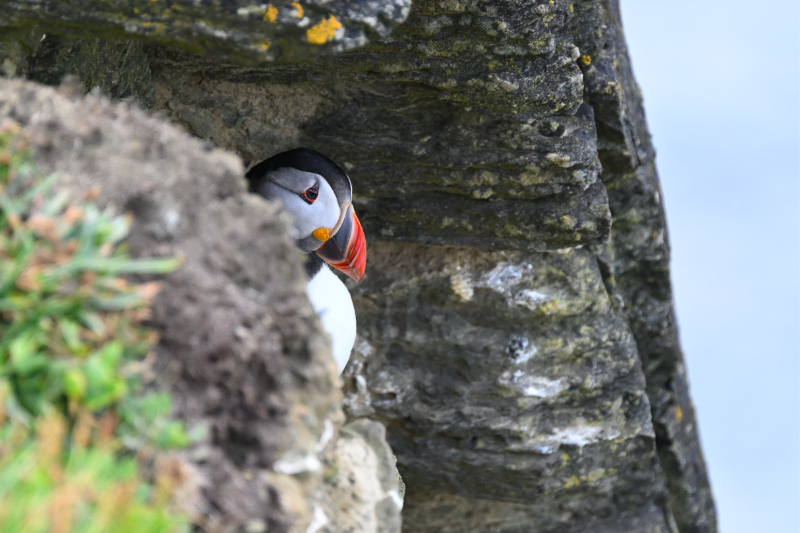
The brough of Birsay is a small island, reached by a tidal causeway. There’s the remains of Pictish and Norse settlements, a lighthouse, lots of wild flowers, seabirds including puffins, a replica Pictish stone and the opportunity to get very wet if you’re daft enough not to check the tide times before you go!

Unfortunately I only saw the puffins at a distance. I didn’t get stranded though – the photo of me with the causeway partially submerged was just taken for dramatic effect. We stayed the night where you can see the van in the photo above, and watched the sea as we drank … wine! (Don’t worry, we’d had tea and cake before we crossed the causeway.)

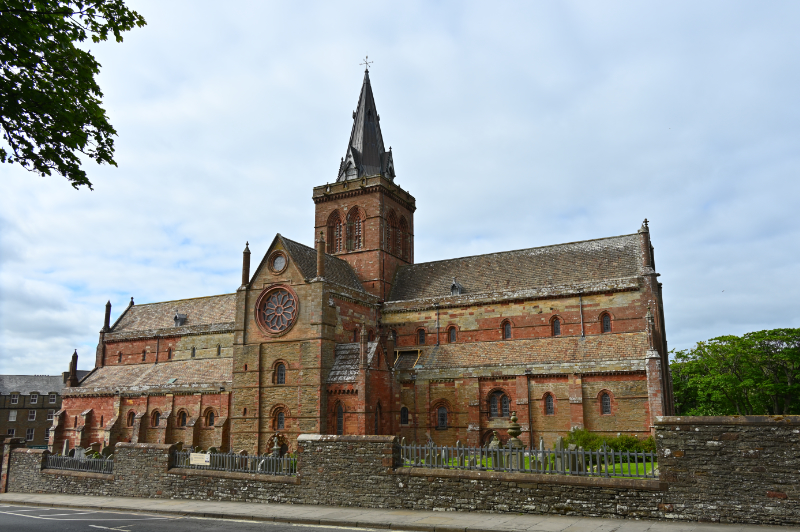
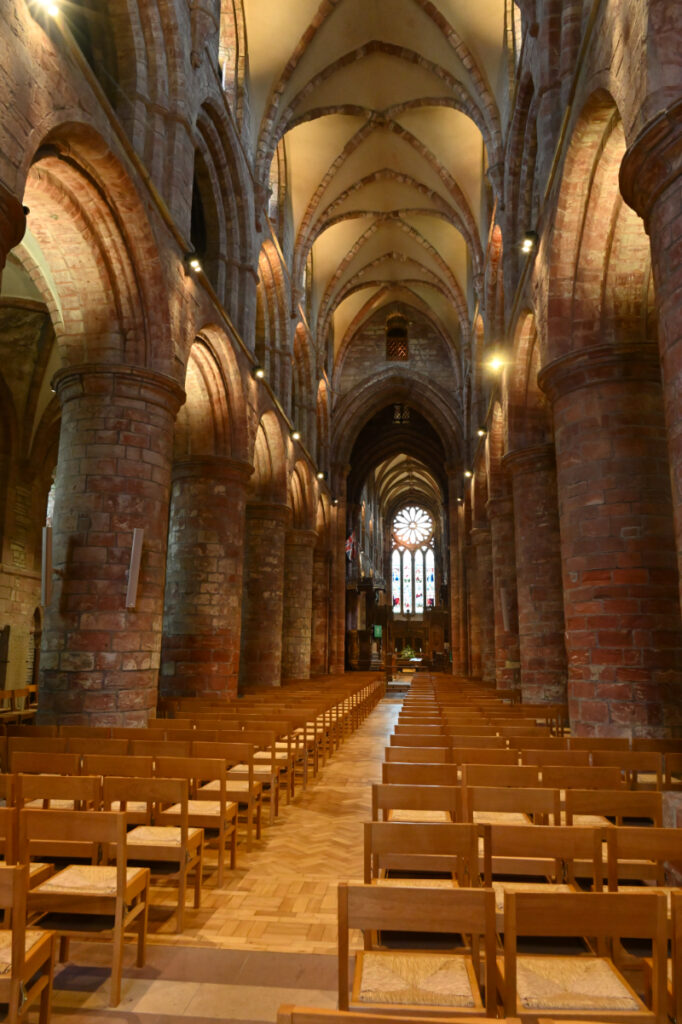
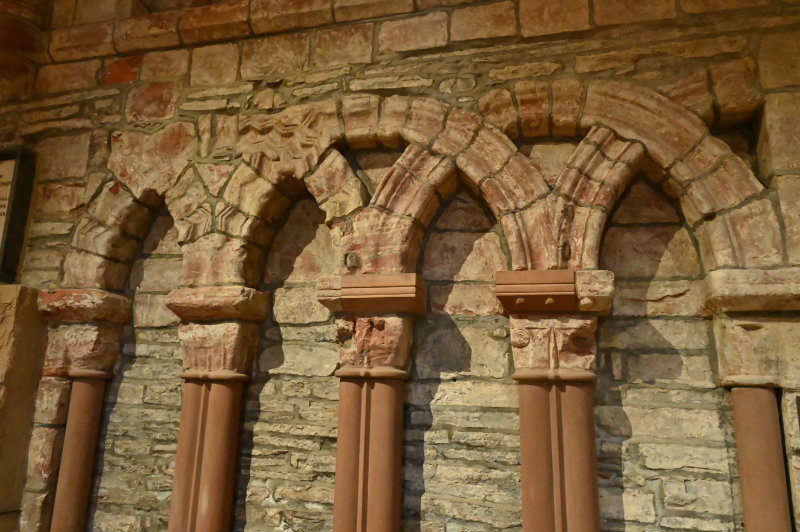
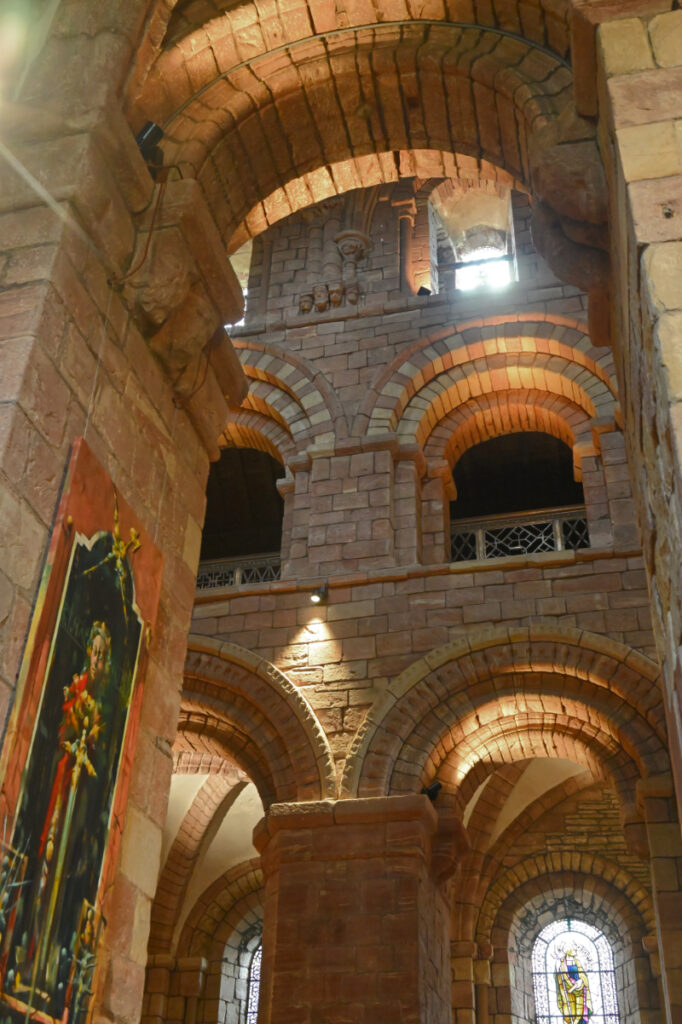
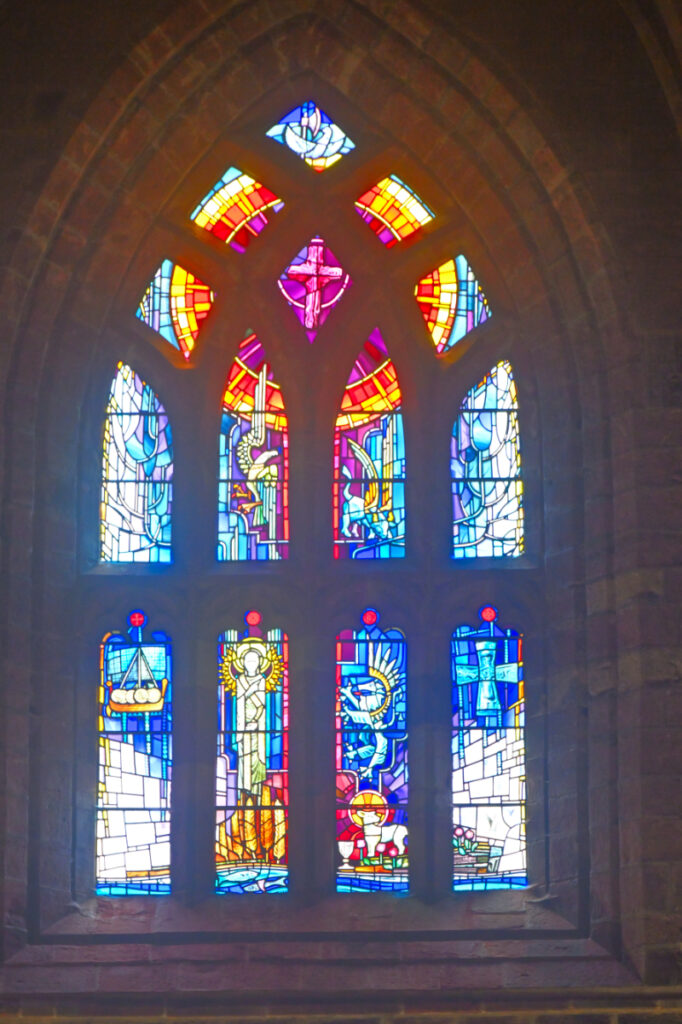
St Magnus Cathedral, Kirkwall, Orkney

Kirkwall isn’t a huge place, but it’s technically a city. There’s a port, which often has cruise ships moored (or anchored off for the really huge ones, or when there are a lot at once) a good range of shops for tourists and locals, a really good museum, couple of palaces (bishop’s and earl’s).
I believe what makes it a city however, is St Magnus’s Cathedral.

Sorry for the lack of detail about many of the places we’ve visited. Longer posts would mean fewer words added to the next novel in my cosy mystery series, and with the amount of exploring we’re doing, I haven’t been spending a huge amount of time on that.

Amazing Maeshowe

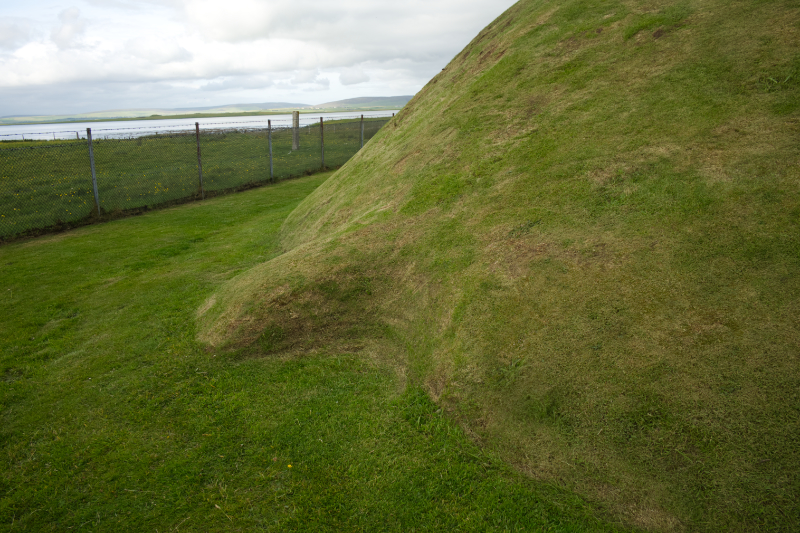
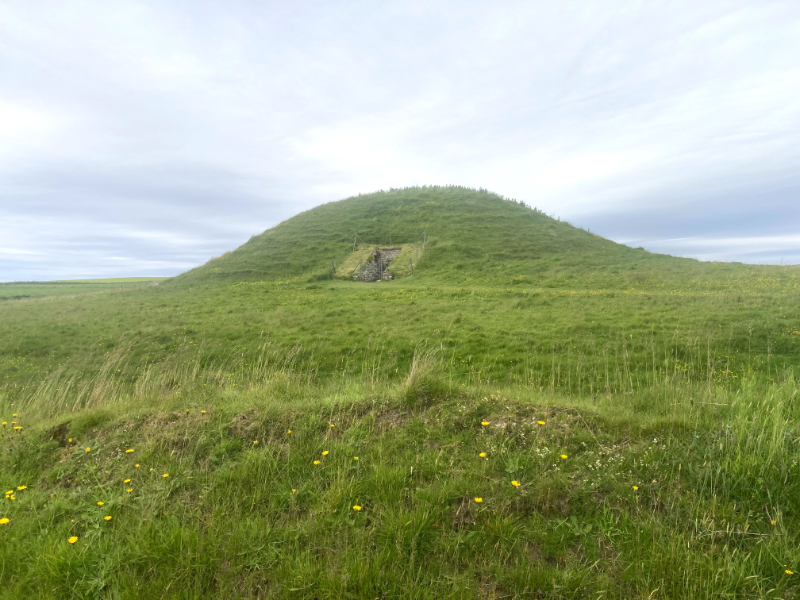
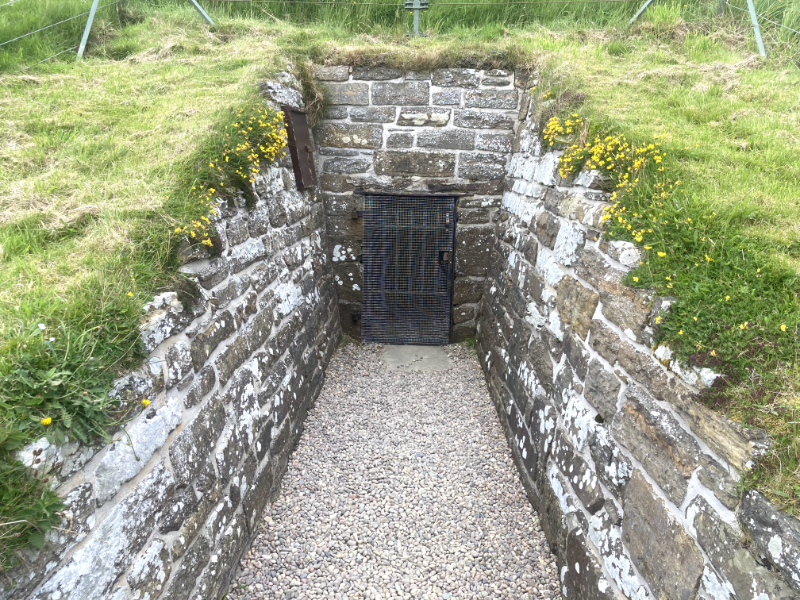
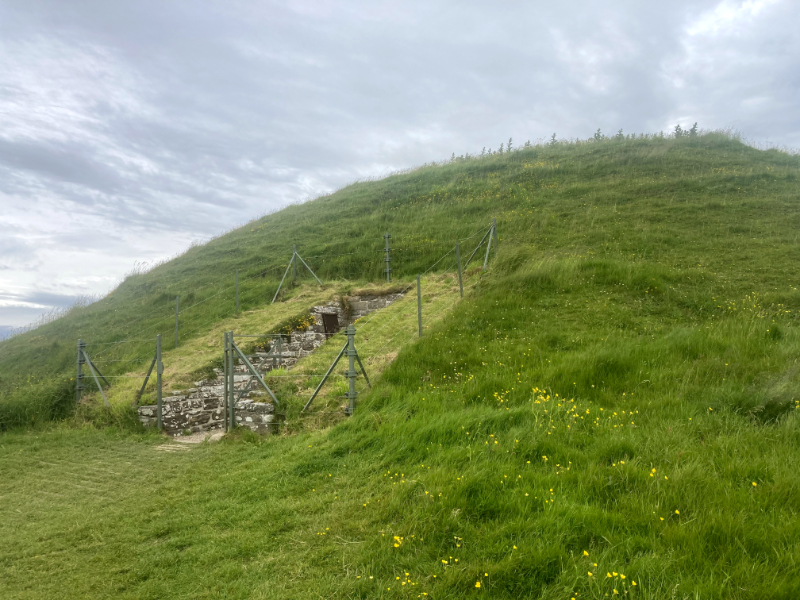
Maeshowe is the best preserved neolithic tomb on Orkney and it holds the largest collection of runes outside of Scandinavia. Entrance is by guided tour only, in small groups. It’s not easy to get tickets – when we tried to book in early April there were only two dates left in June where we could both go together!

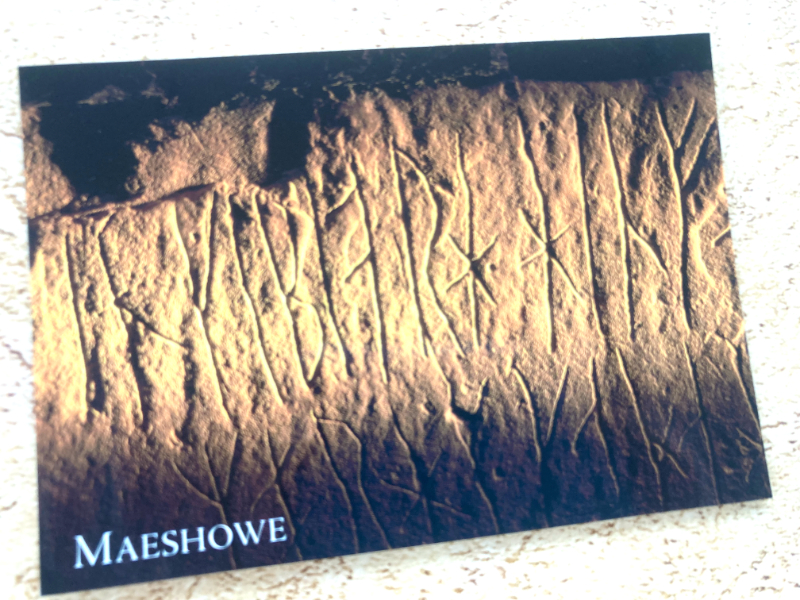
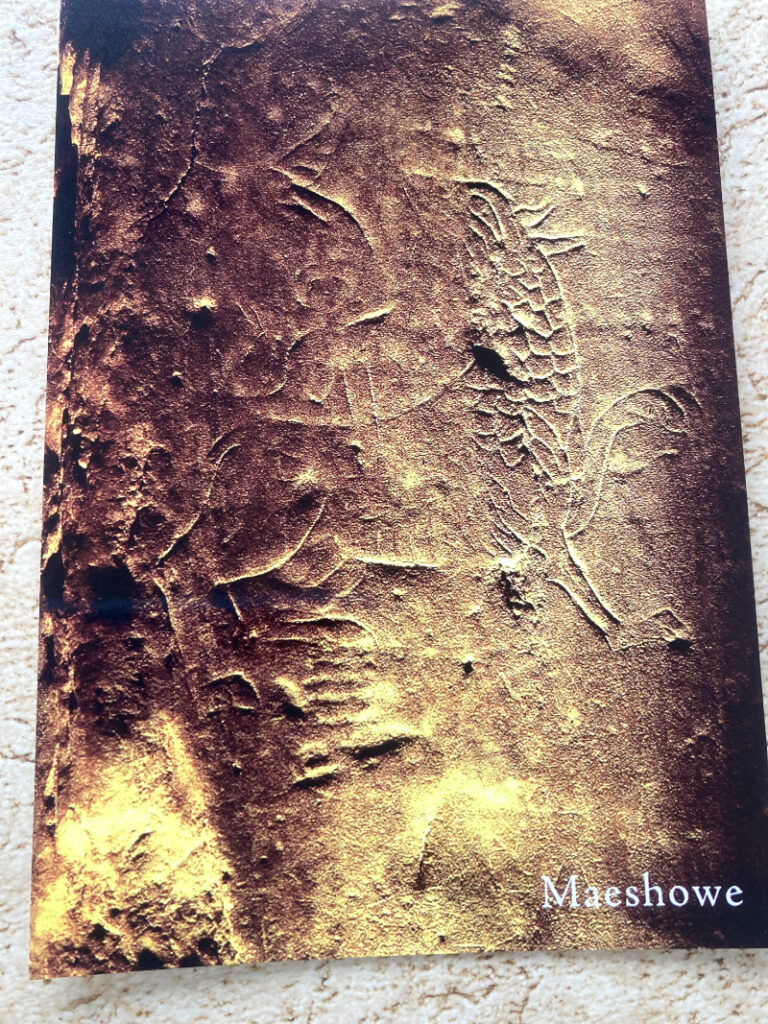
Runes, in case you didn’t know, are a form of Viking writing. The Vikings apparently broke into Maeshowe after it had been sealed up for centuries. The events are recorded in the Orkneyinga saga, which is possibly not entirely historically correct, but is very dramatic. Whilst in the tomb (they say sheltering from a storm, but I reckon looking for treasure) they left a lot of runic graffiti. Most of it seems to be along the lines of ‘Erik was here’ and boasts about how good they were at writing ruins, but there’s also a very detailed and beautiful ‘dragon’.

Photography isn’t allowed inside Maeshowe. Whilst that does spare you footage of me crouch-shuffling along the entrance tunnel it means you miss out on seeing those carvings. Or it would have done, had I not bought you a couple of postcards.

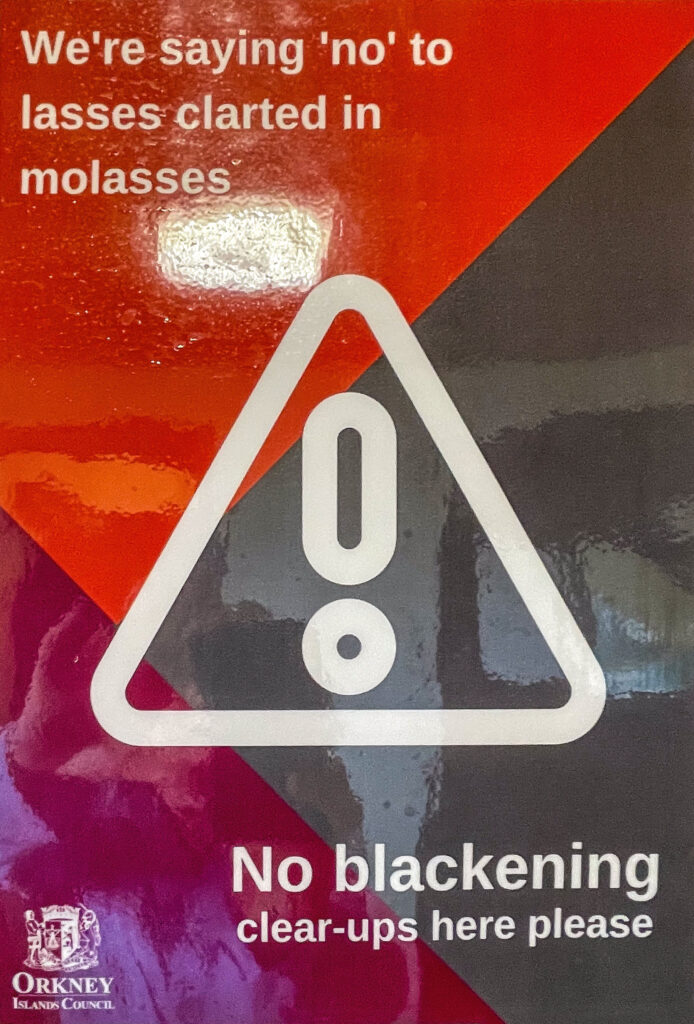
Wednesday word of the week – clarted (and blackening)

Two for the price of one* this week!

We’ve seen these signs in several beachside public toilets, here in Orkney. I knew clart meant sticky mud, or dirt generally, so guessed clarted meant to be covered in something messy, but overall the meaning was unclear to us, until we asked.

Blackening is a pre wedding tradition here. It usually happens on hen and stag dos, and involves covering the person about to be married in fish guts, manure and molasses. Then they drive about on trailers ot trucks, banging pans and things to make a lot of noise. One actually passed us at Scapa beach, but at the time we didn’t know what was happening.

*And here’s another bargain – my cosy crime novel for just 99p or 99c.