Harkness barracks and Martello tower, Hoy

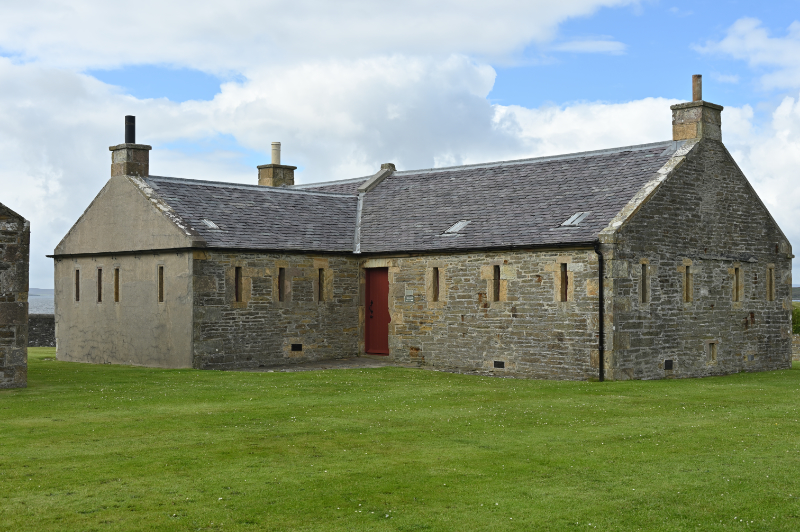
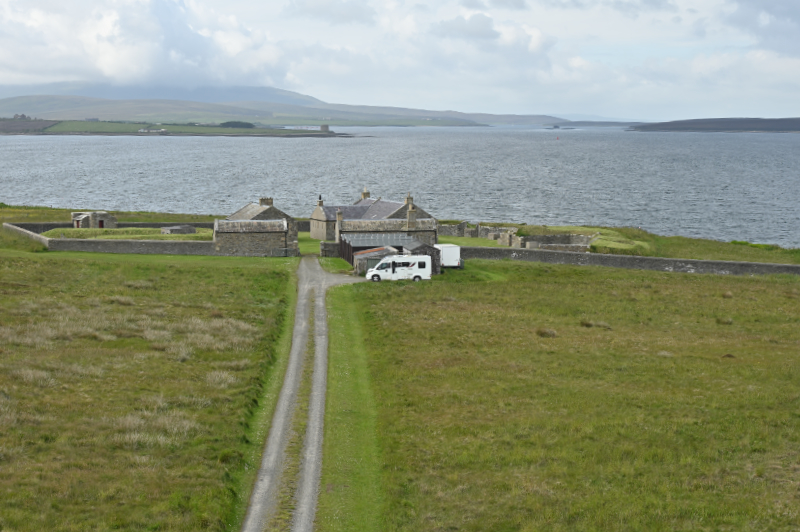
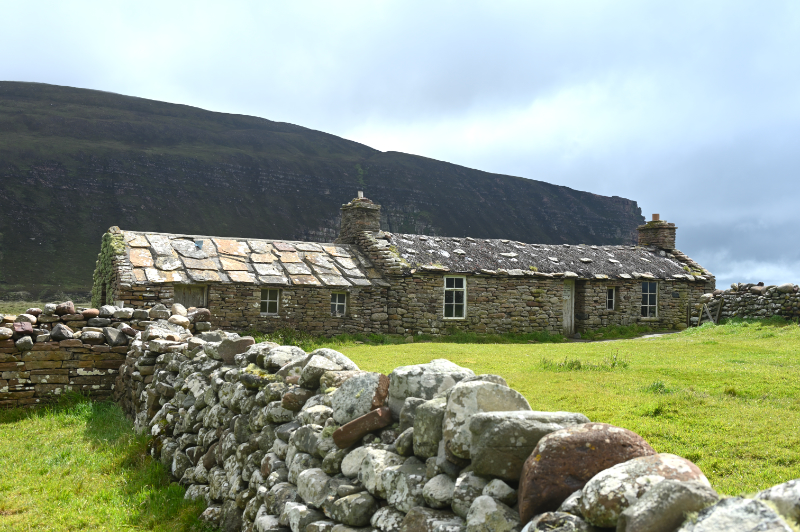
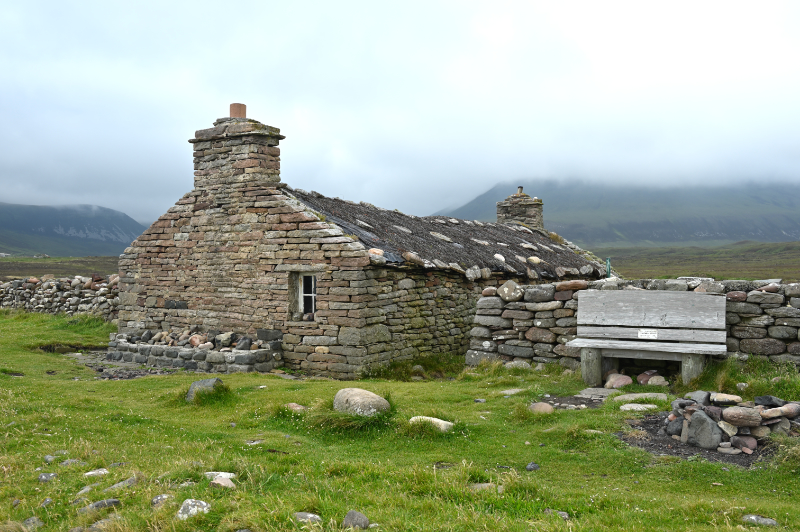
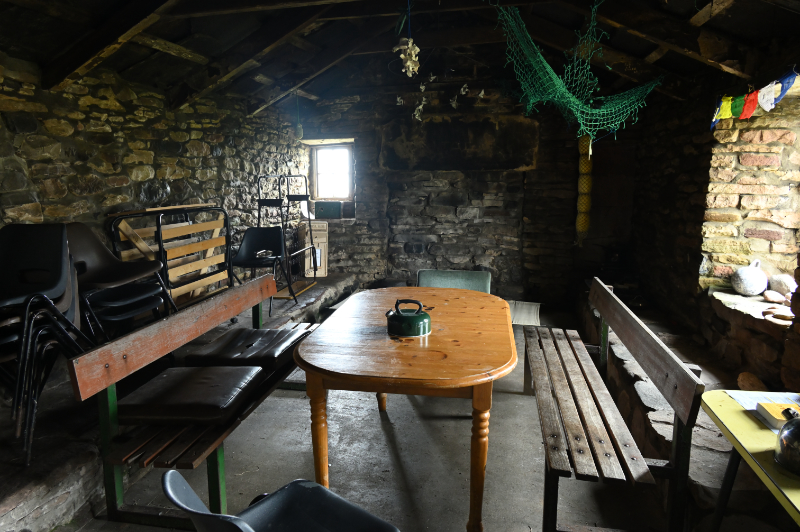
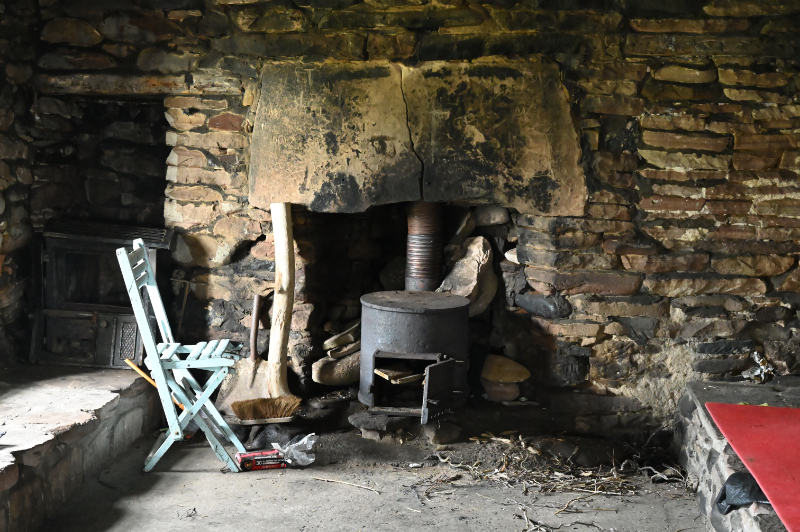
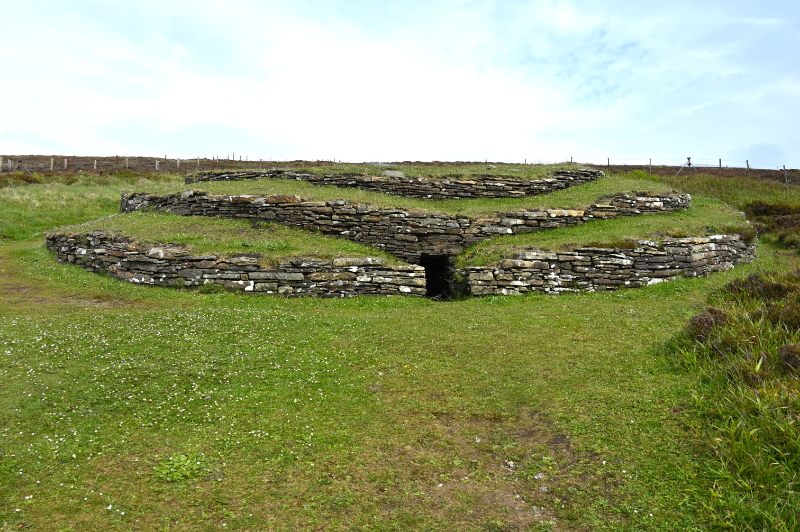
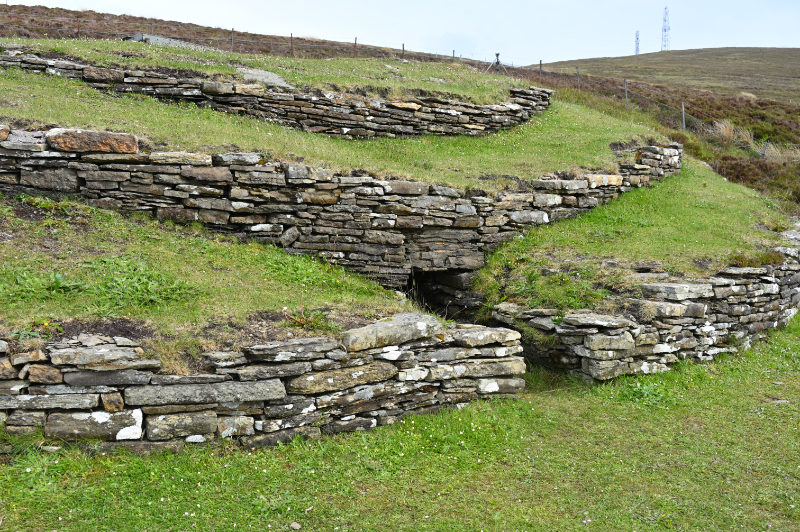
We extended our stay on Hoy so we could have a guided tour of a Martello tower – I’ve seen the outside of several and fancied having a nose inside. Glen, our guide, is clearly as passionate about the history of the barracks and tower as he is knowledgeable. We arrived early, so he started early, and when he learned we didn’t have to rush off, he carried on long past the regulation time period. One of the things which made it so fascinating was that Glen met and interviewed the person who lived in the barracks after it became a croft, and who was responsible for saving it – as well as providing amazing insights into what it was like there during war time. I’d share it with you, but I need to get the next novel written.
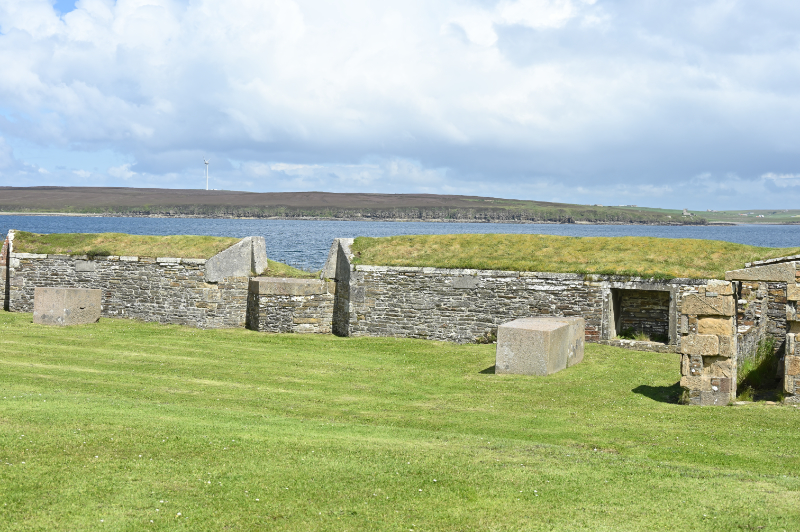
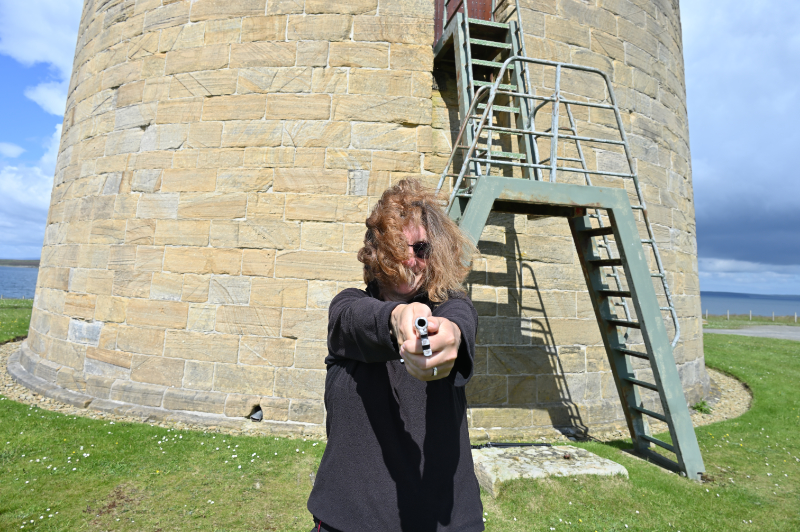
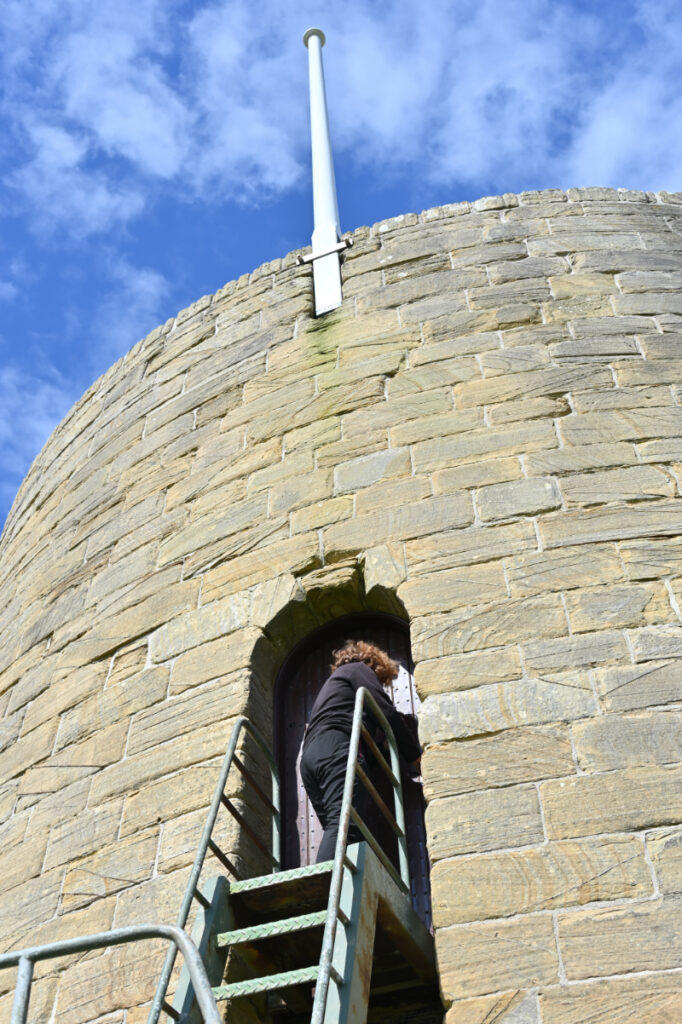
After seeing inside and learning about the barracks, we headed for the tower. There was only Gary and I on the tour, so I got to open up! (The slowest storming of a tower in history, Glen reckoned.) The key doesn’t just open the door, it’s also a defensive weapon. The shaft was hollow and could have been used like a tiny cannon.
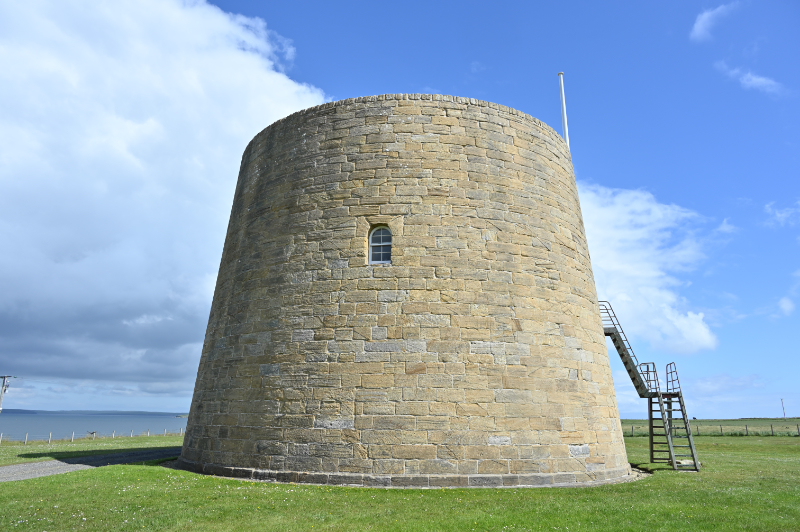
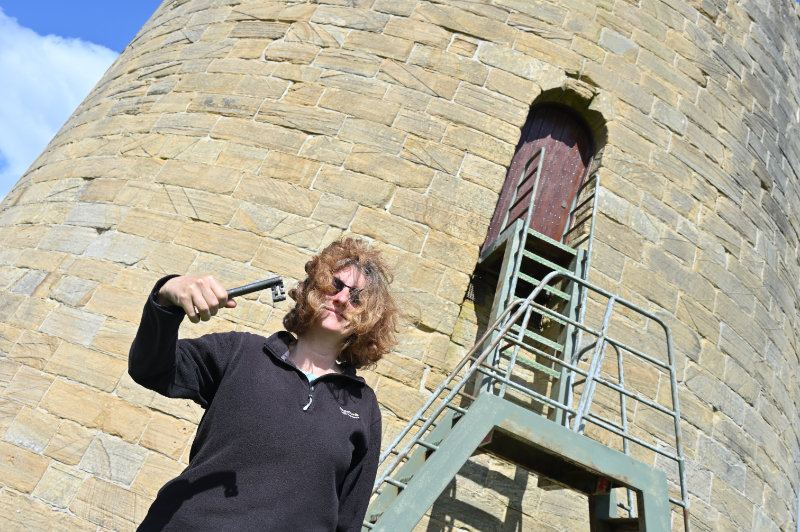
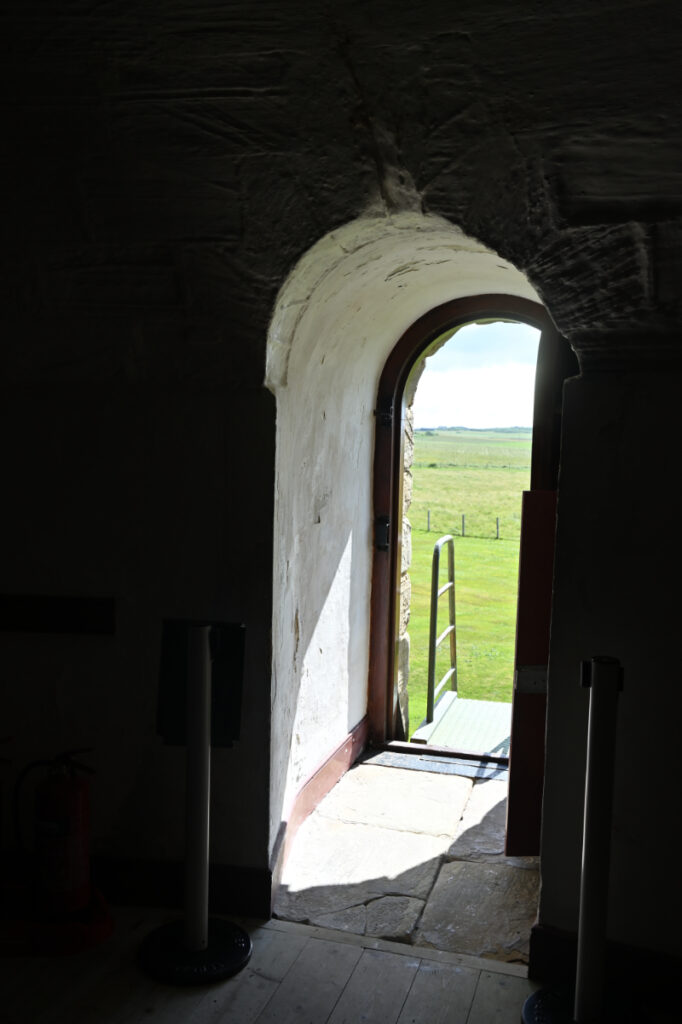
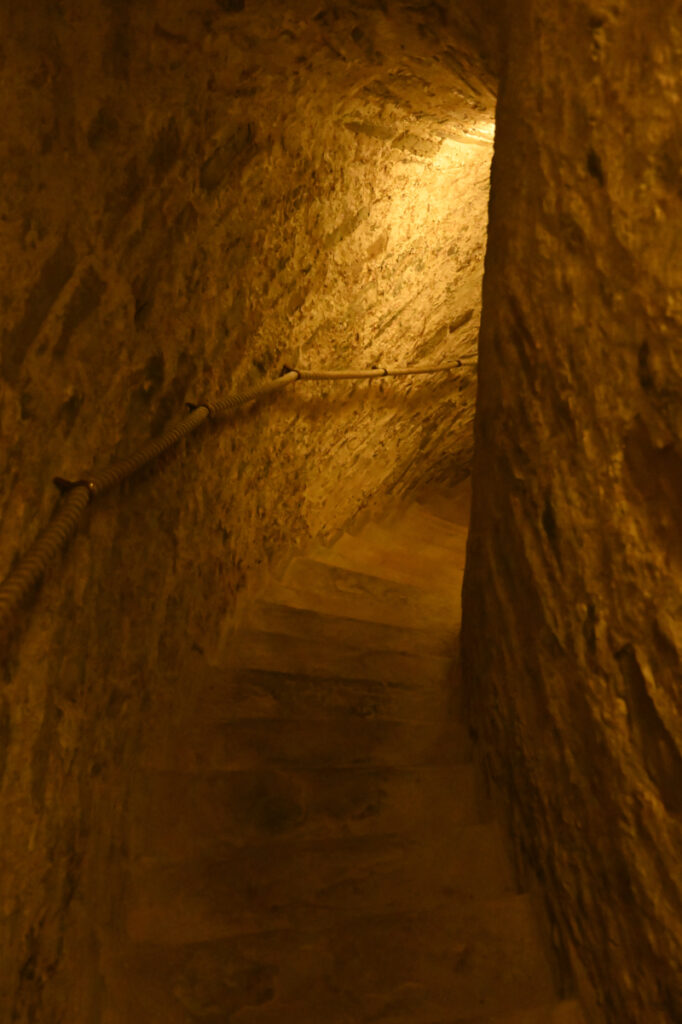
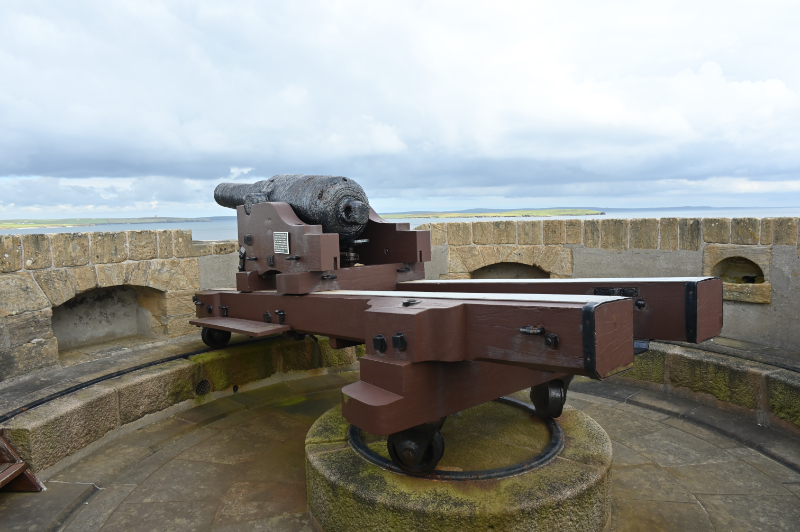
There are three levels. We entered on the floor where the soldiers would have lived. The wall is seven foot thick there! There were fireplaces, but no chimneys (in this particular design). From the middle floor there is a spiral staircase down to where food and munitions were stored, and there’s also a cistern which collected drinking water from the roof. Another spiral staircase leads up to the top, and provides great views.
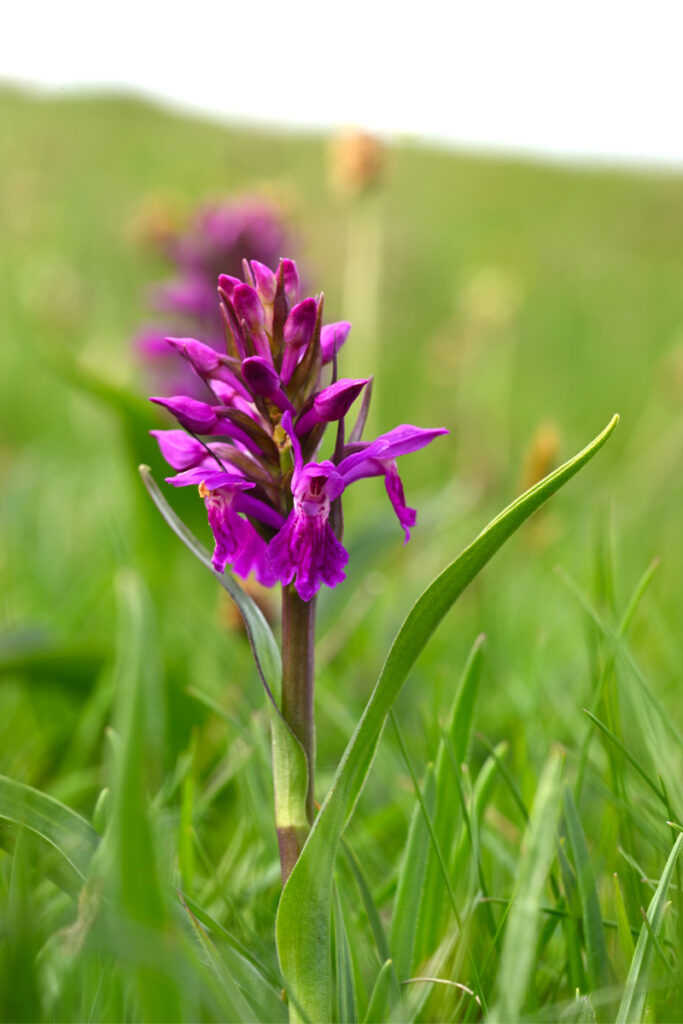
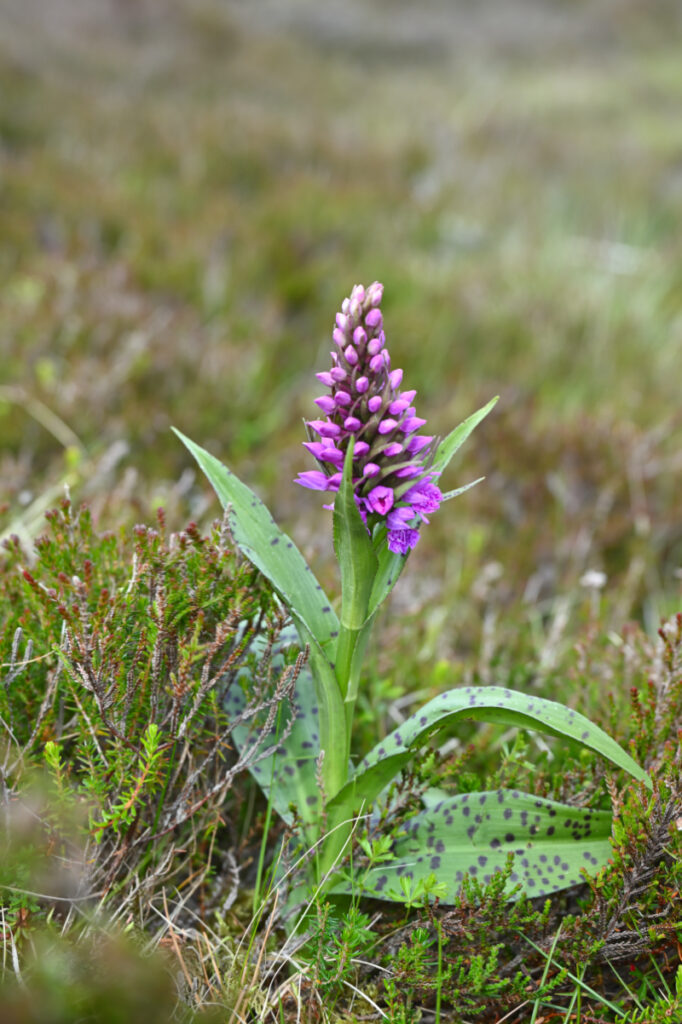
Orcadian orchids and other purple wild flowers

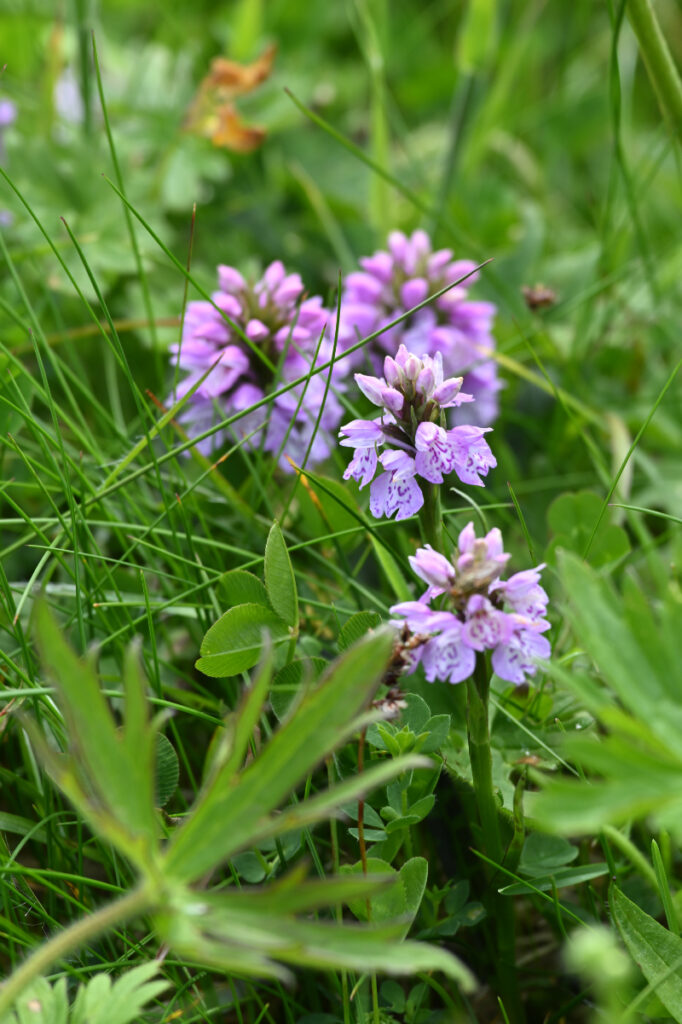
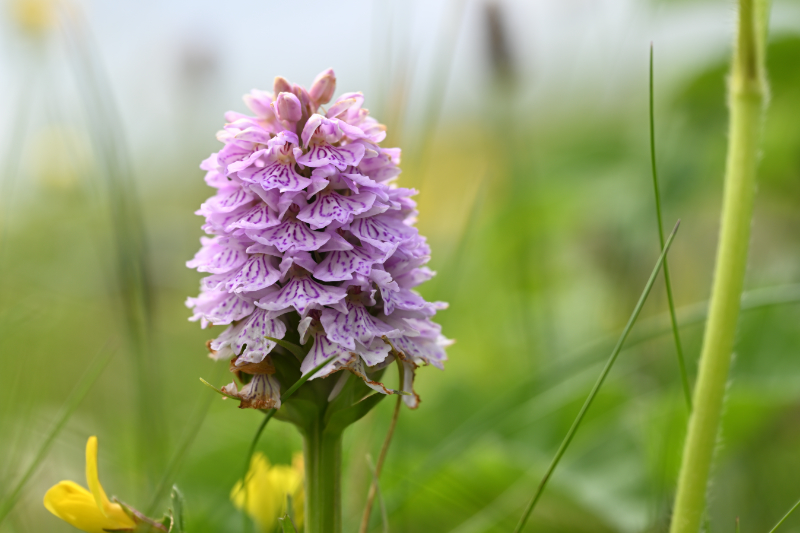
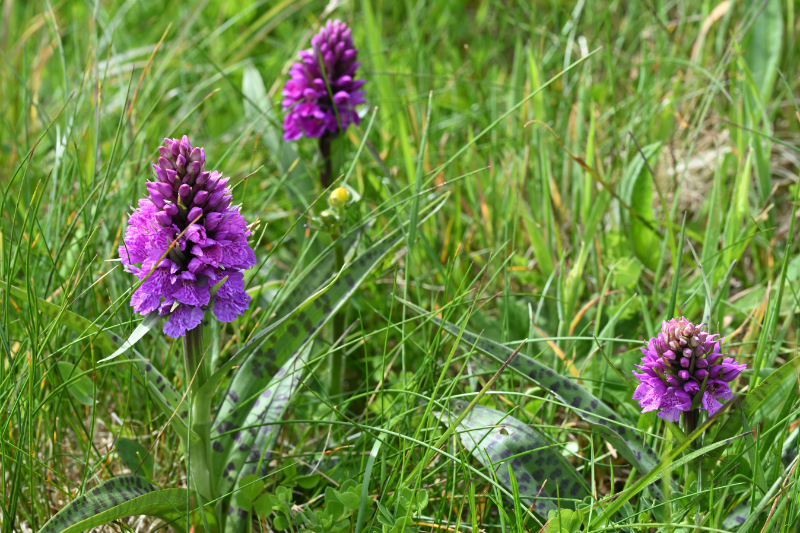
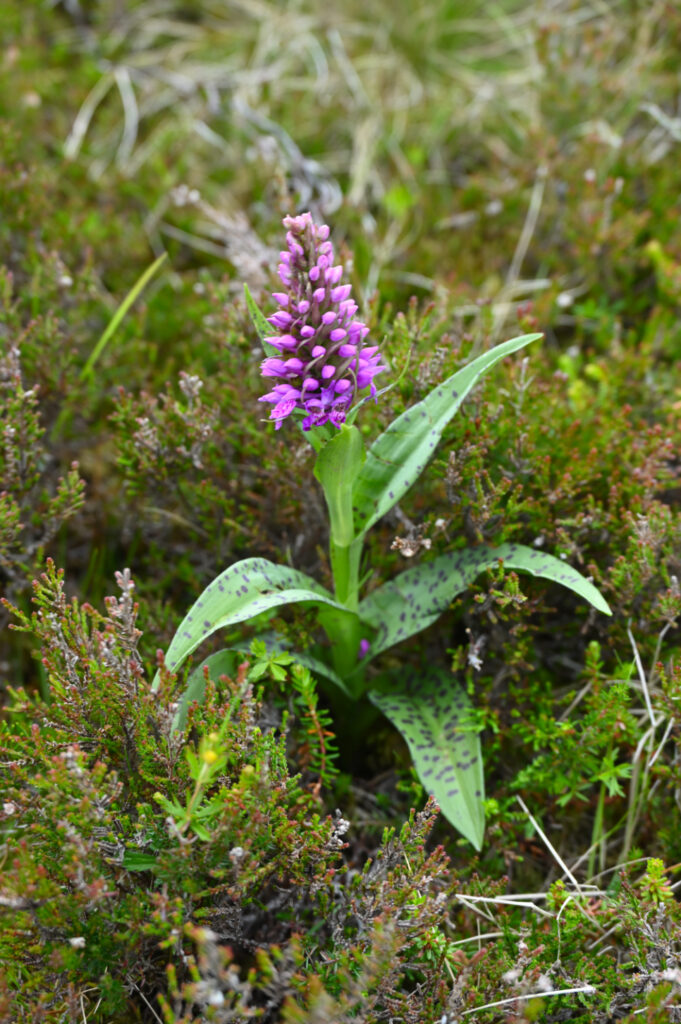
There are several forms of orchid which grow on Orkney. The most common, and in flower right now, are the brilliant magenta/purple Northern Marsh orchid (Dactylorhiza purpurella), and the Heath Spotted Orchid, which can look very similar except for the spots on its leaves, but may also come in paler shades – all vaguely purple.

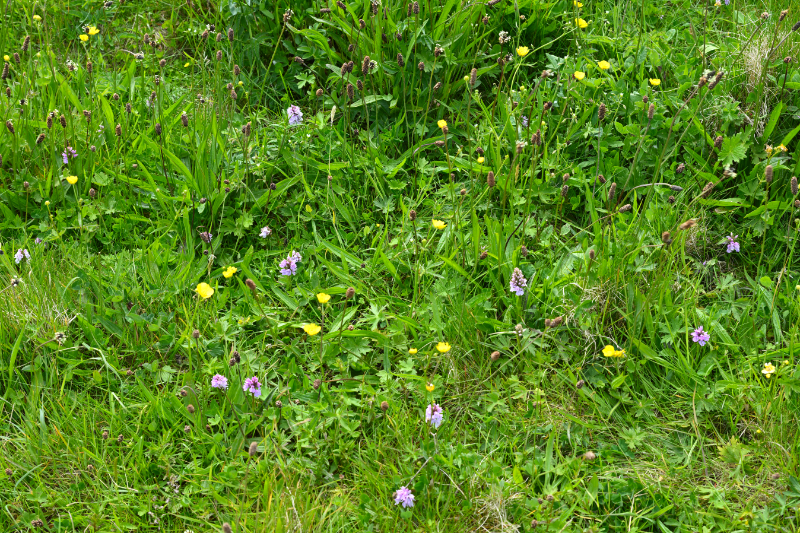
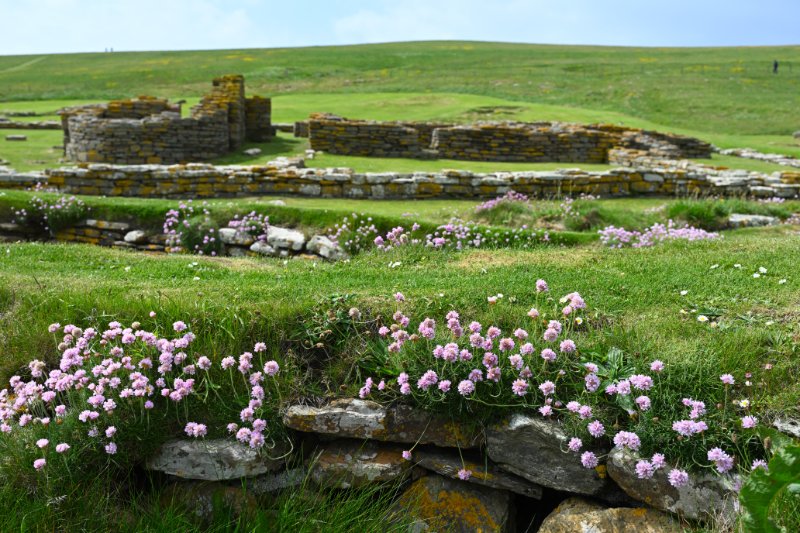
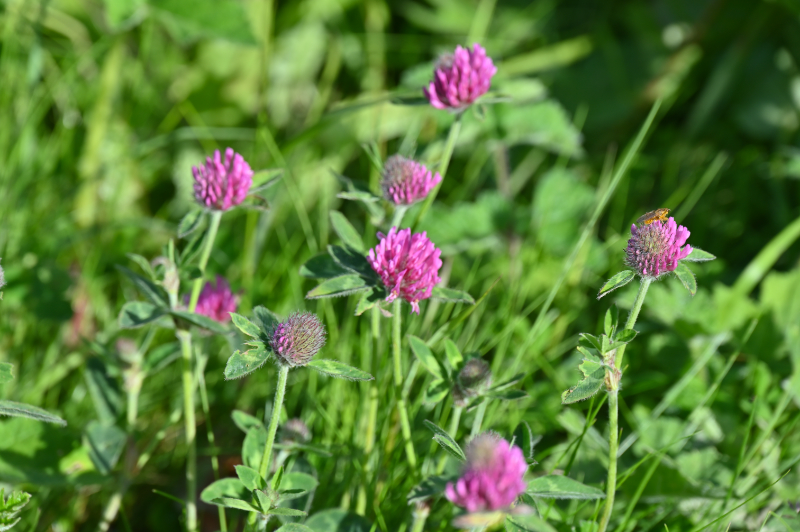
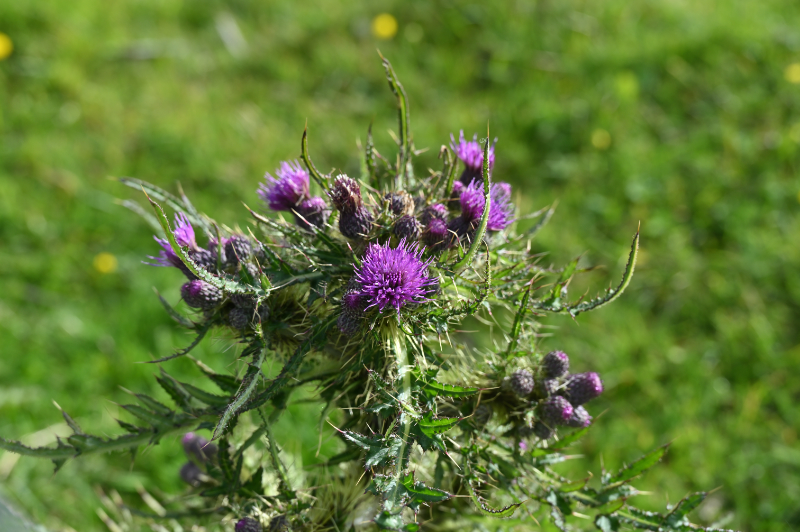
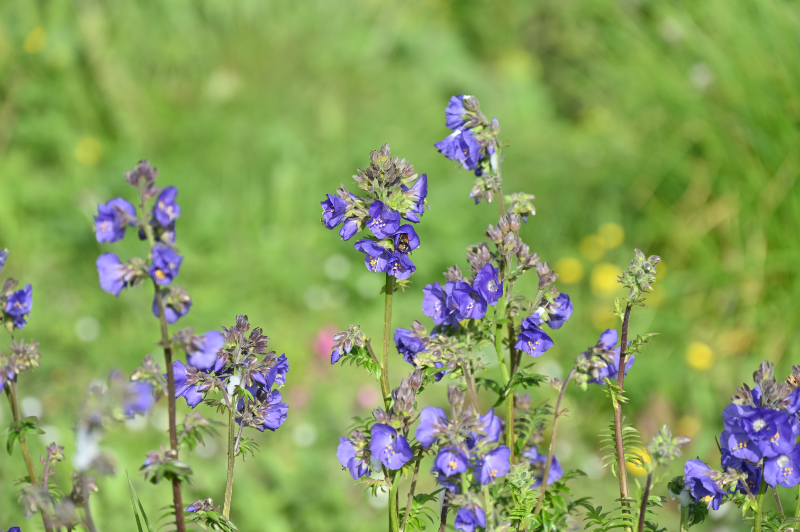
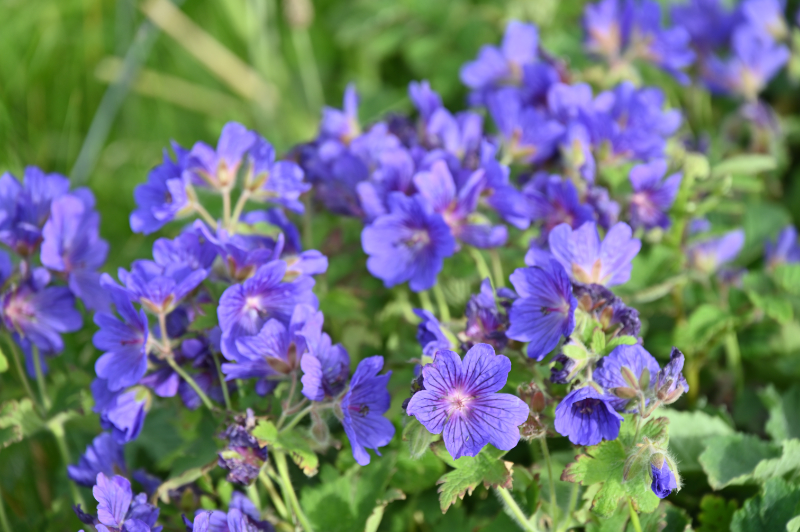
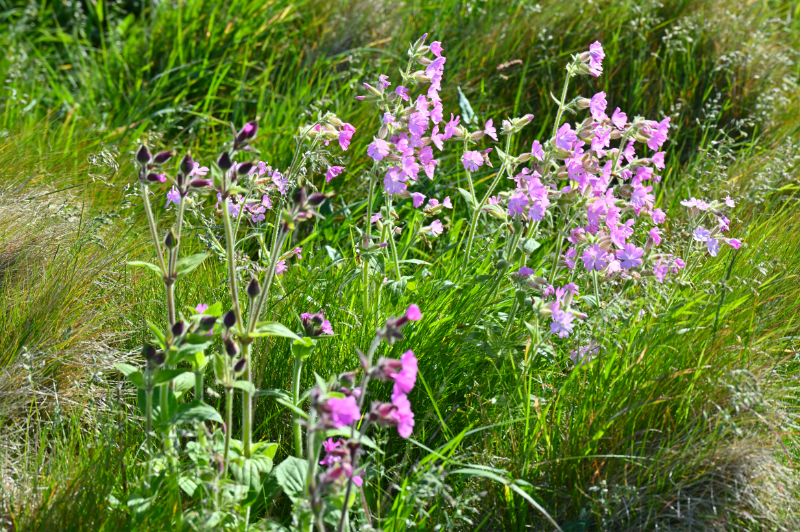
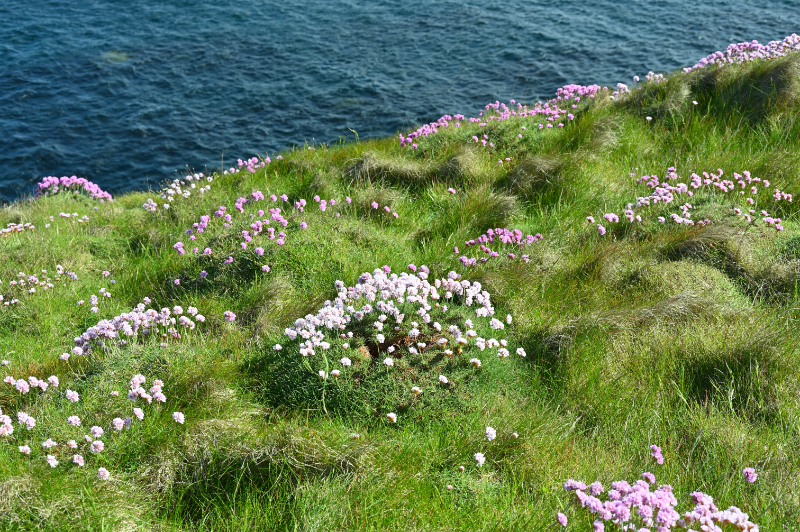
There lots of other wildflowers in shades of pinky purple too, including sea thrift, clover, thistles of course, campion, meadow cranesbill, Jacob’s ladder.

Brace yourself for a seamless transition…

Mallows are another type of purple coloured wild flower. They grow abundantly where I live when I’m not in the van – between Portsmouth and Southampton on the south coast of England. They helped inspire the name of the village where my cosy crime series is set, and feature on the covers.
The first book in my cosy mystery series, Disguised Murder and Community Spirit in Little Mallow is currently on offer for 99p / 99c.
Here’s what some reviewers have said about it –

‘A fun read, with lots of clues and red herrings’ 5 stars

‘a darn good mystery to solve. It kept me guessing till the end’ 5 stars

‘a great read in the cozy crime genre. The characters are well developed, the pace is just perfect and Crystal’s (the main character) voice is strong throughout’ 5 stars

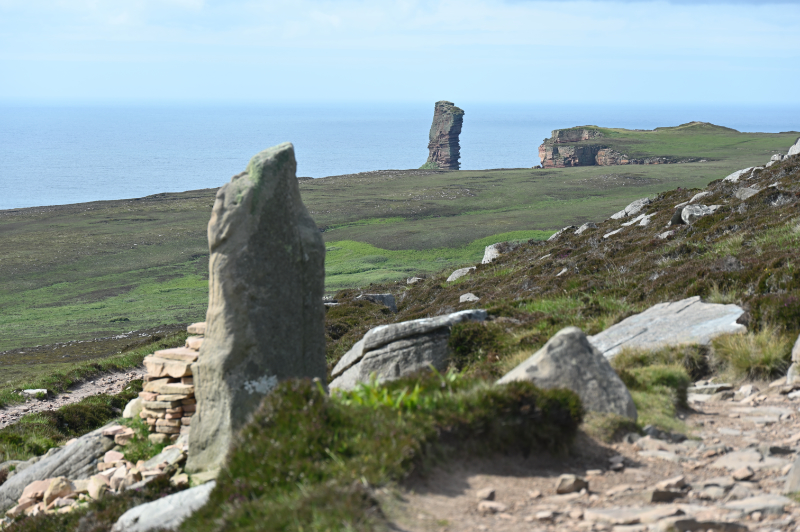
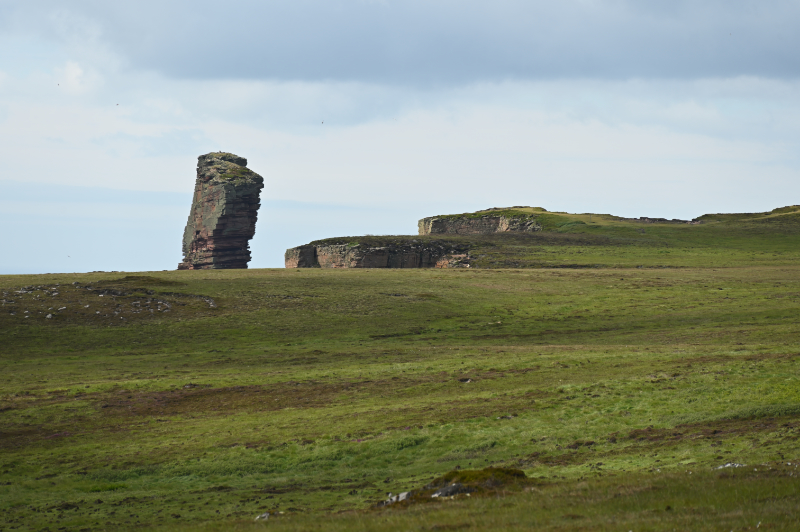
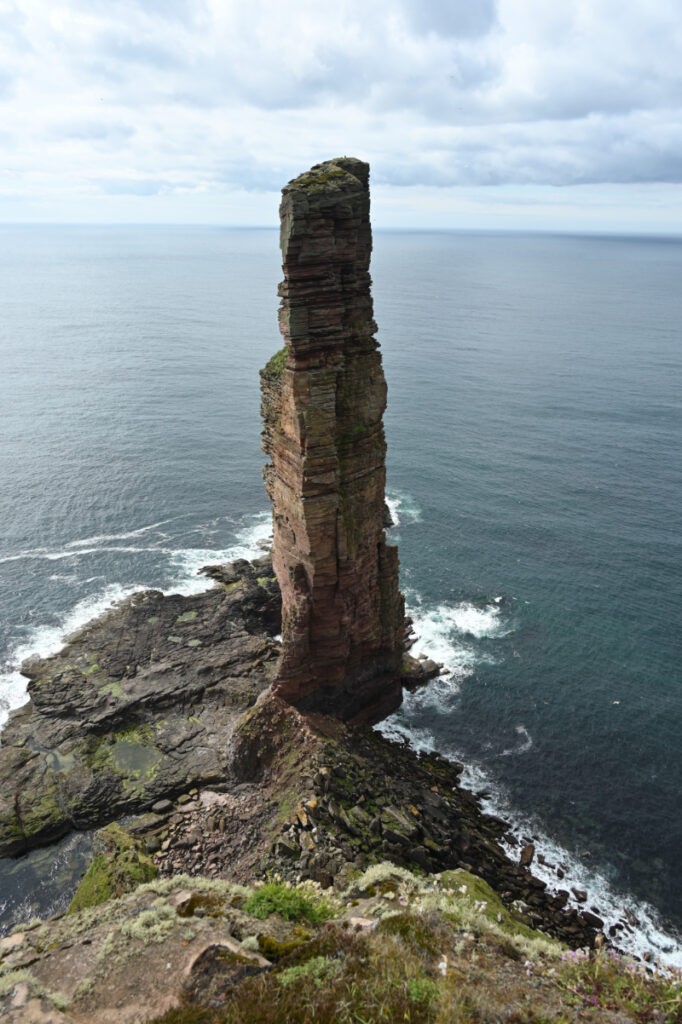
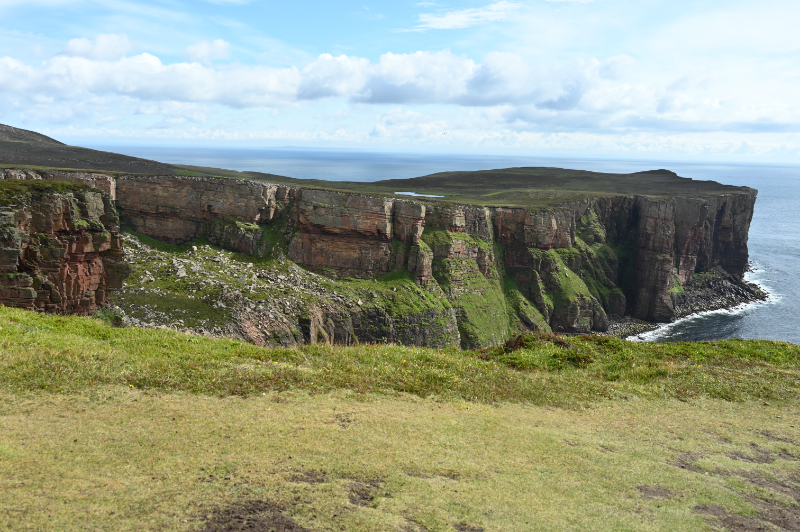
The Old Man of Hoy

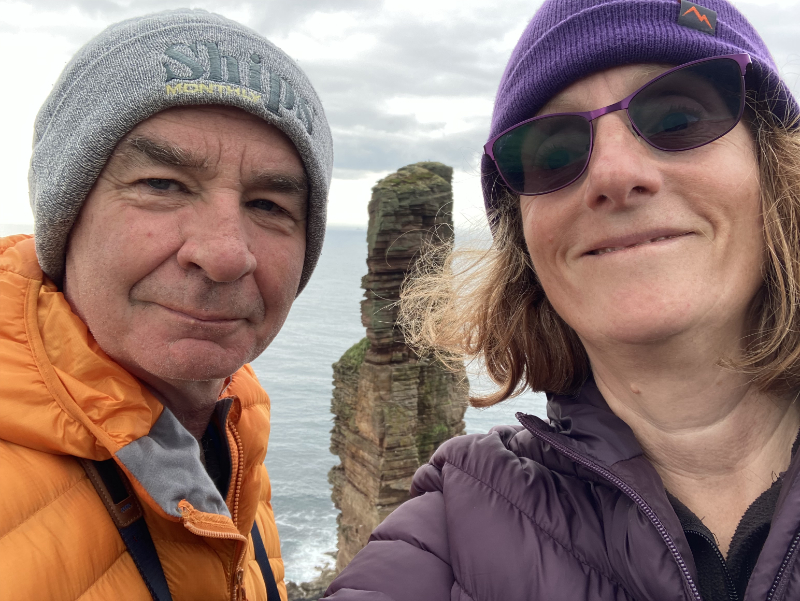
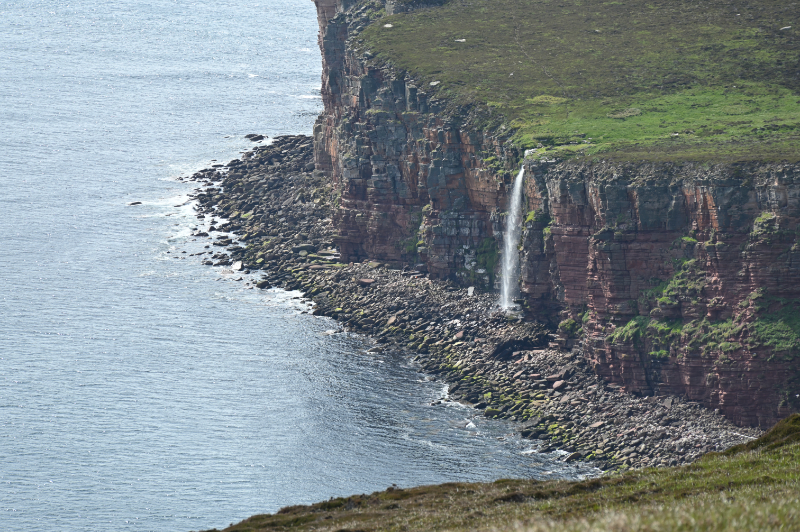
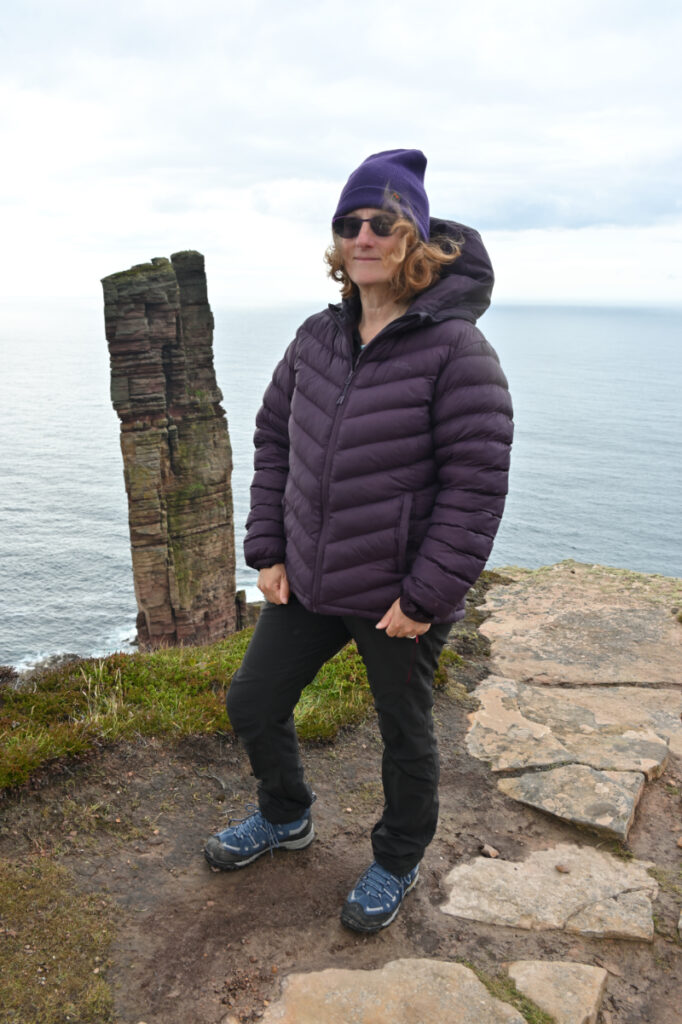
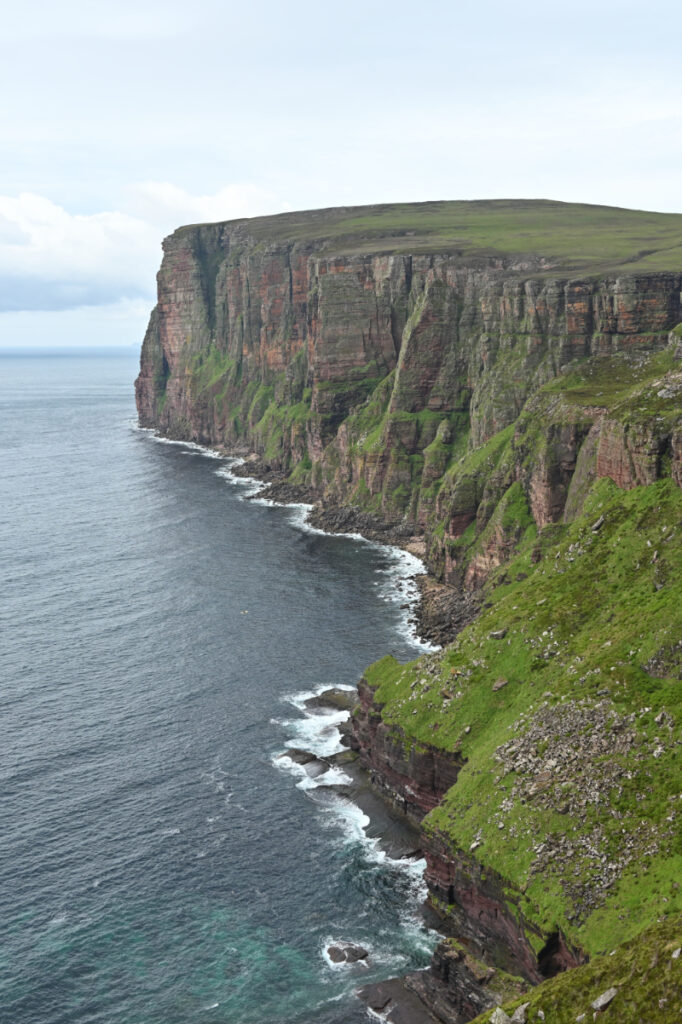
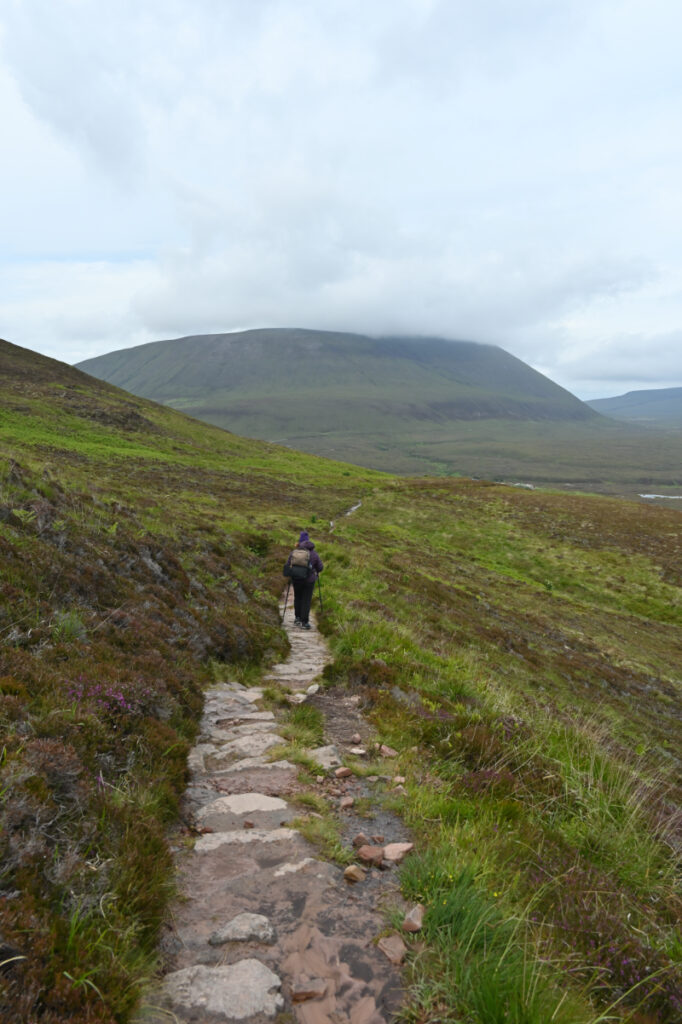
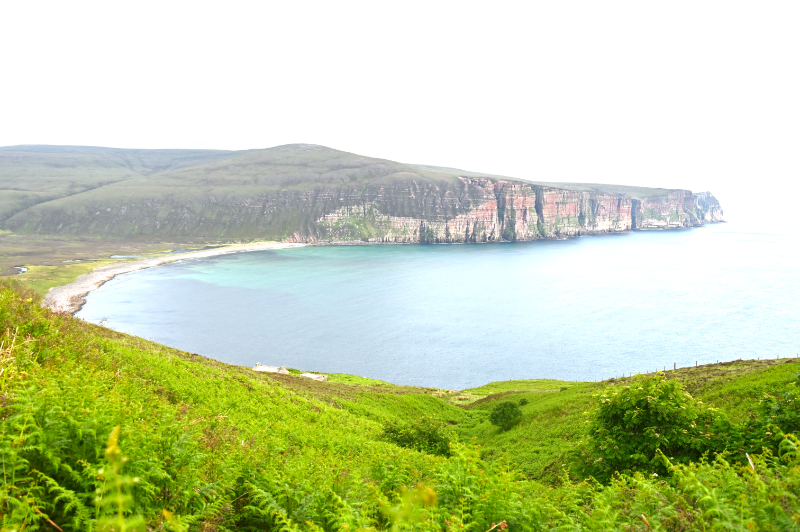
One of our main reasons for visiting Hoy (other than the excitement of the ferry crossing) was to see the ‘Old Man’ sea stack. From Rackwick where we stayed, it’s a very pleasant (if steep in places) five and a bit mile walk. We liked it so much we went out one evening, and again the next morning.

Rackwick Bay and Bothy

Rackwick bay is a popular place for people to stay on Hoy. One reason is the bothy – it’s very basic accommodation, but there’s a wood burner, table and chairs and camp beds – and a toilet next door. Perhaps, other than the lovely location, the main attraction is that it’s completely free.

We didn’t stay in the bothy, because you can also park your van there for free, and they provide toilets, waste disposal and water. You’re advised to boil the water, but as you have to do that to make tea, it wasn’t a problem!

Hoy ahoy!

We went over to the island of Hoy on a ferry. That was more ‘interesting’ than I’d anticipated. If you’d like, you can make the crossing with us.

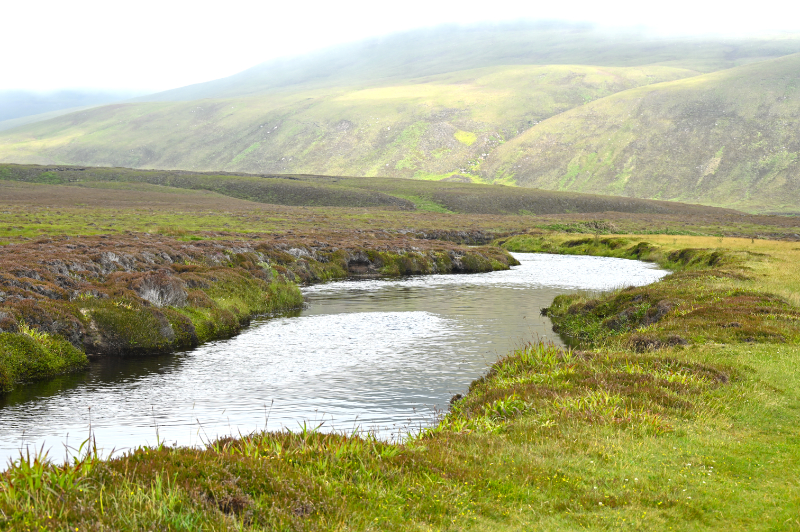
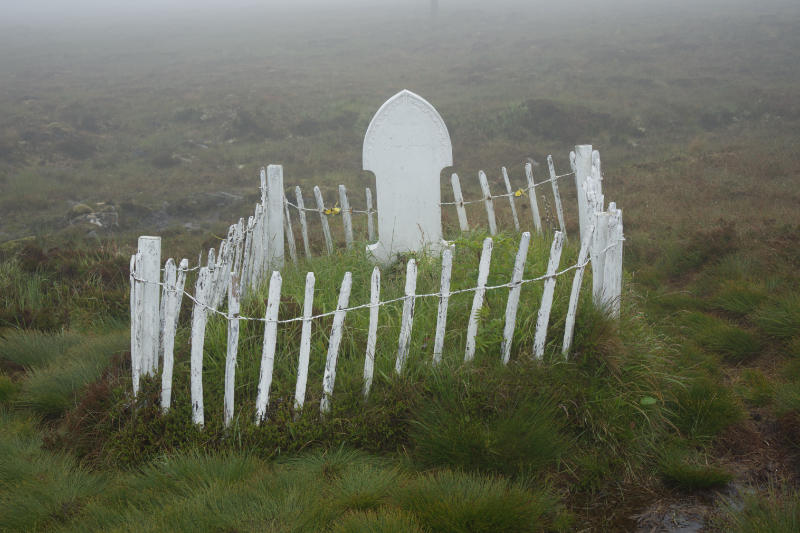
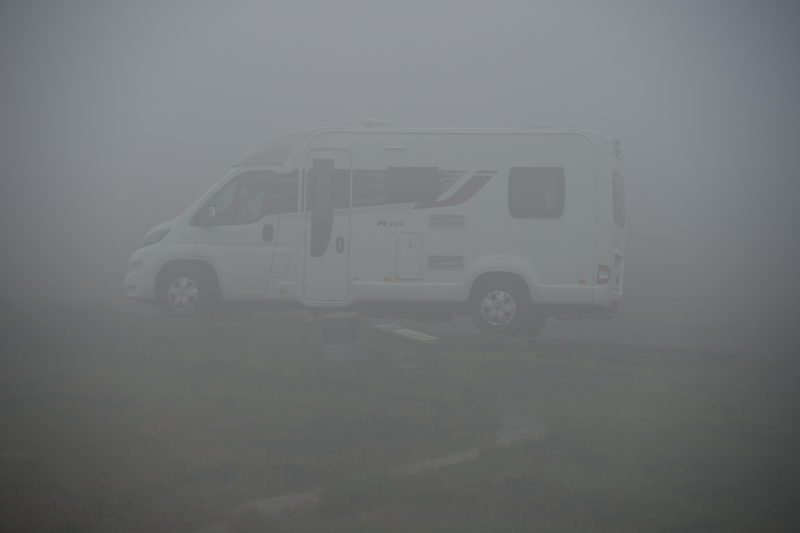
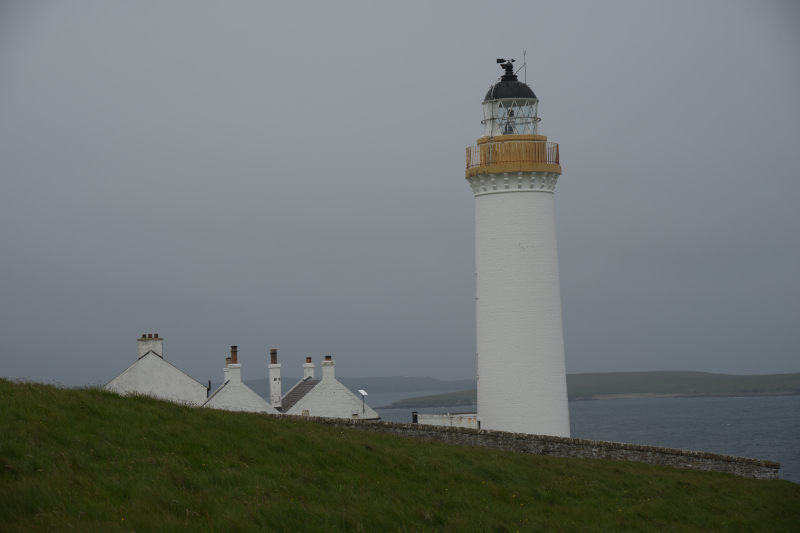
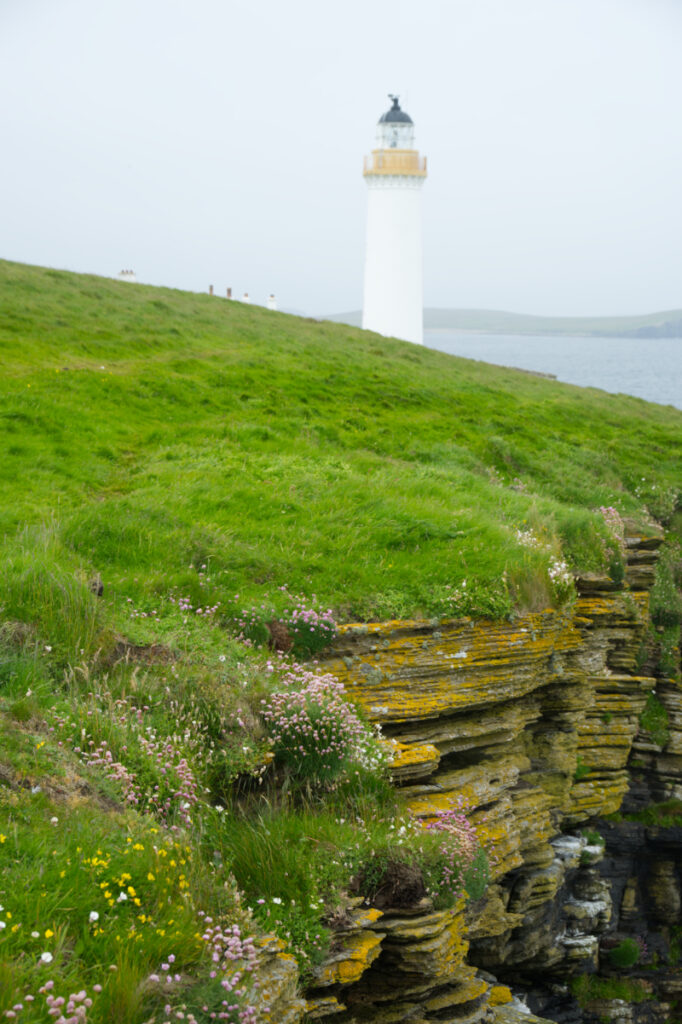
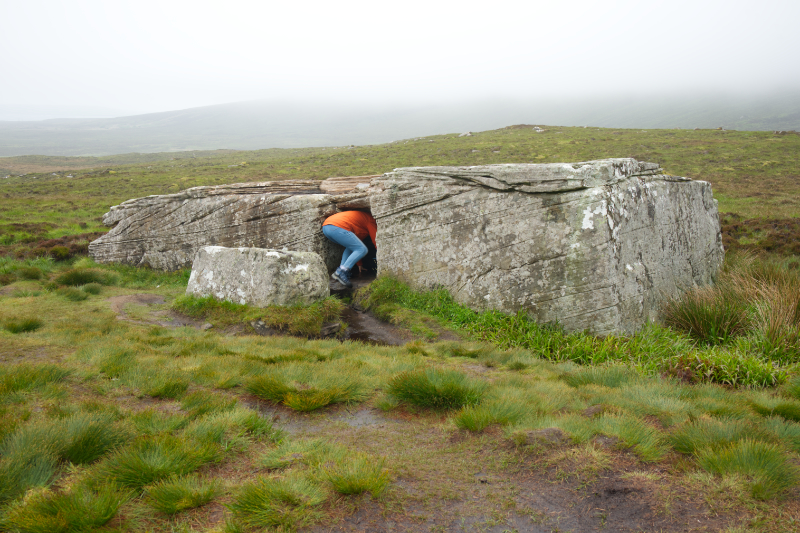
It started off very foggy, which goes some way to explaining why at three miles into a two mile circular walk to see the lighthouse we found ourselves on a totally different path, heading away from the van. Still after only about another half mile we were able to get a phone signal and directions for the two and a bit miles walk back to base camp. We did find the lighthouse though! Other things we saw, before the fog cleared, were Betty Corrigal’s grave (don’t Google that if you don’t like sad stories) and the Dwarfie Stane – I filmed that too!

There’s a myth that giants used to live in the Dwarfie Stane. If true, they were extremely small giants. A slightly peculiar 5′ 3″ writer has been included for scale.

Summer solstice at the Standing Stones of Stenness

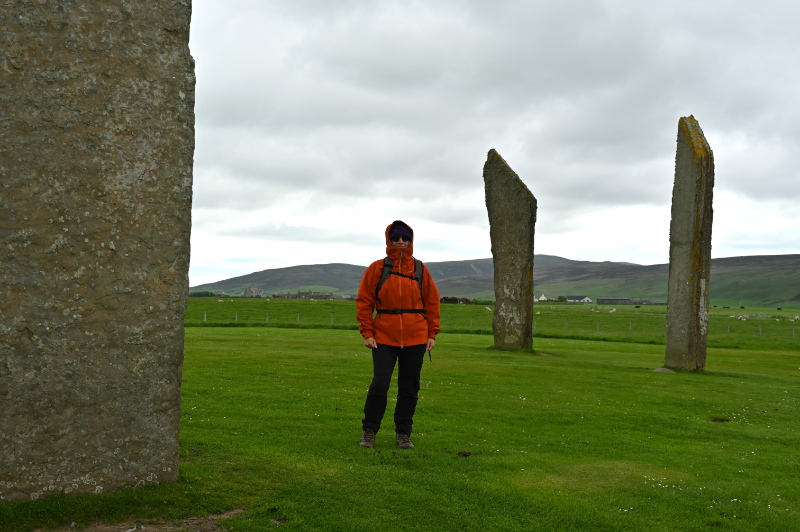
It’s the summer solstice today and it seems right to celebrate it at the Ring of Brodgar and nearby Standing Stones of Stenness. We won’t be staying up until it gets dark, because that won’t be happening here tonight, but we will walk amongst the stones and toast them (with something other than tea!).

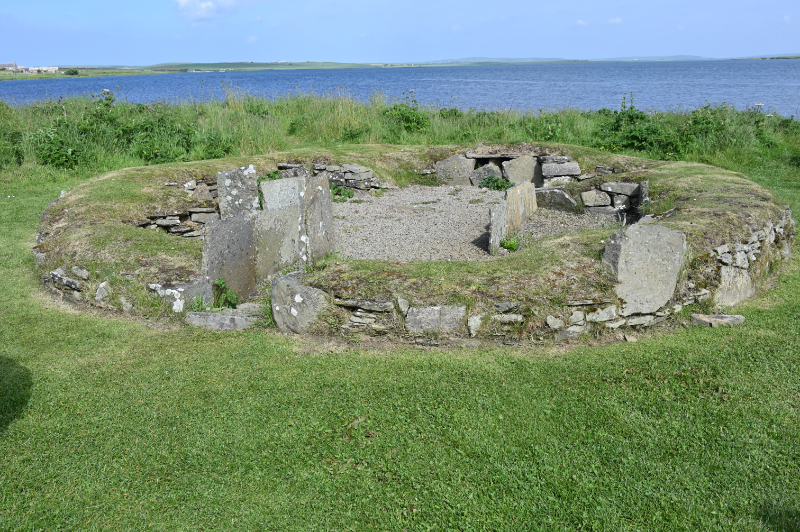
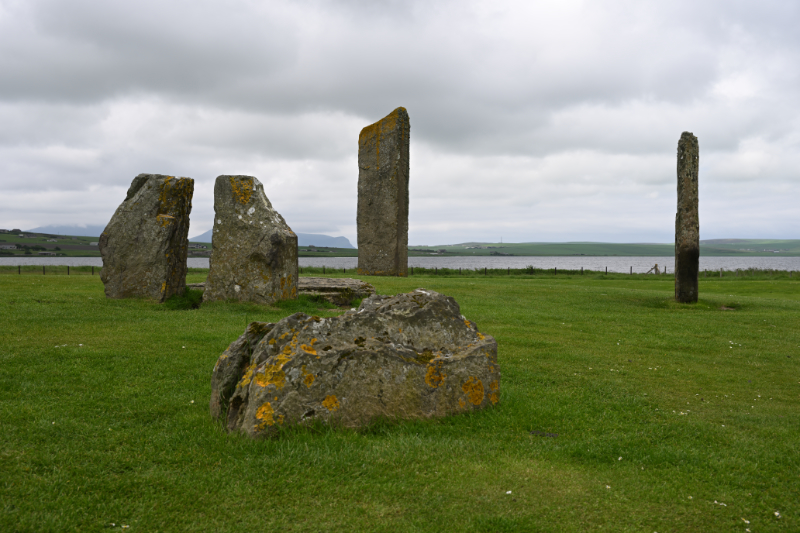
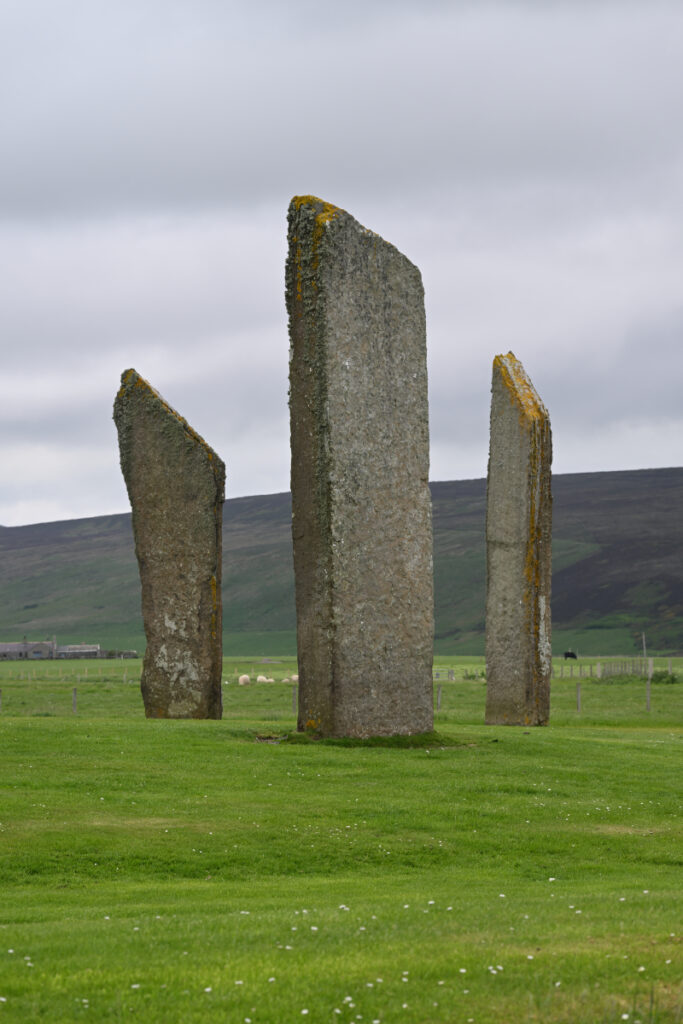
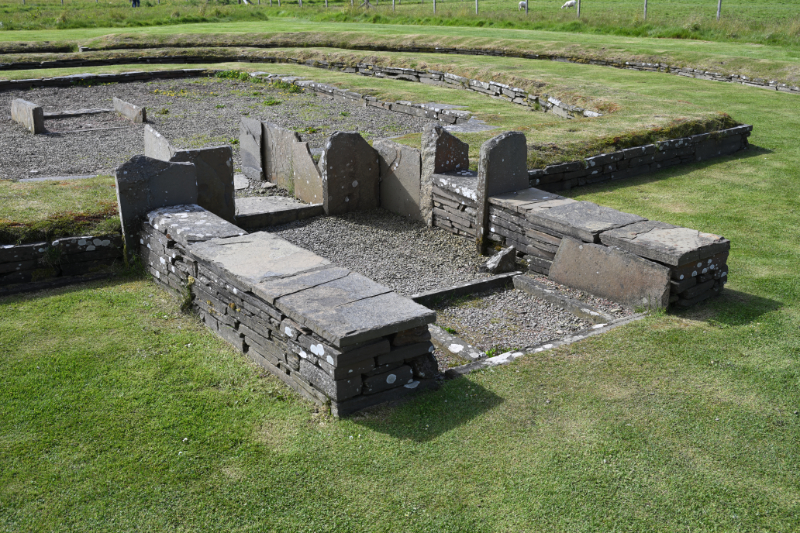
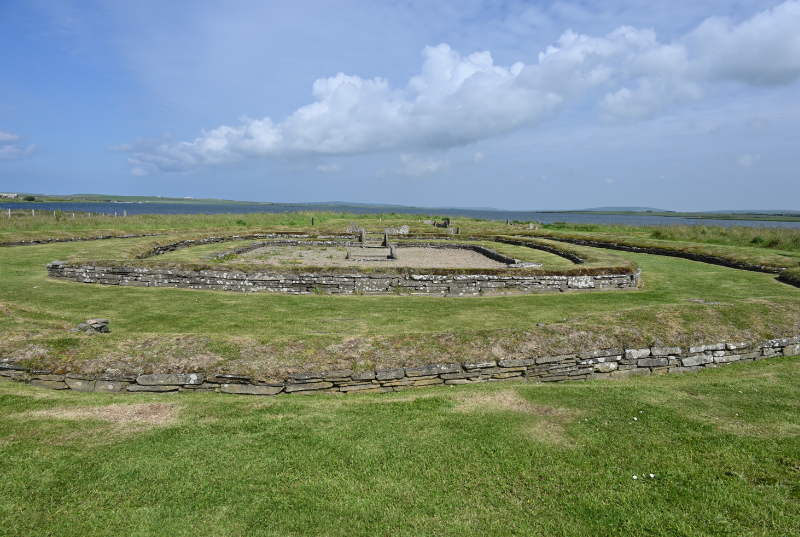
Here are some photos taken a few days ago, when we had a guided tour of the stones and Barnhouse village – a neolithic settlement discovered fairly recently, right behind the stones.

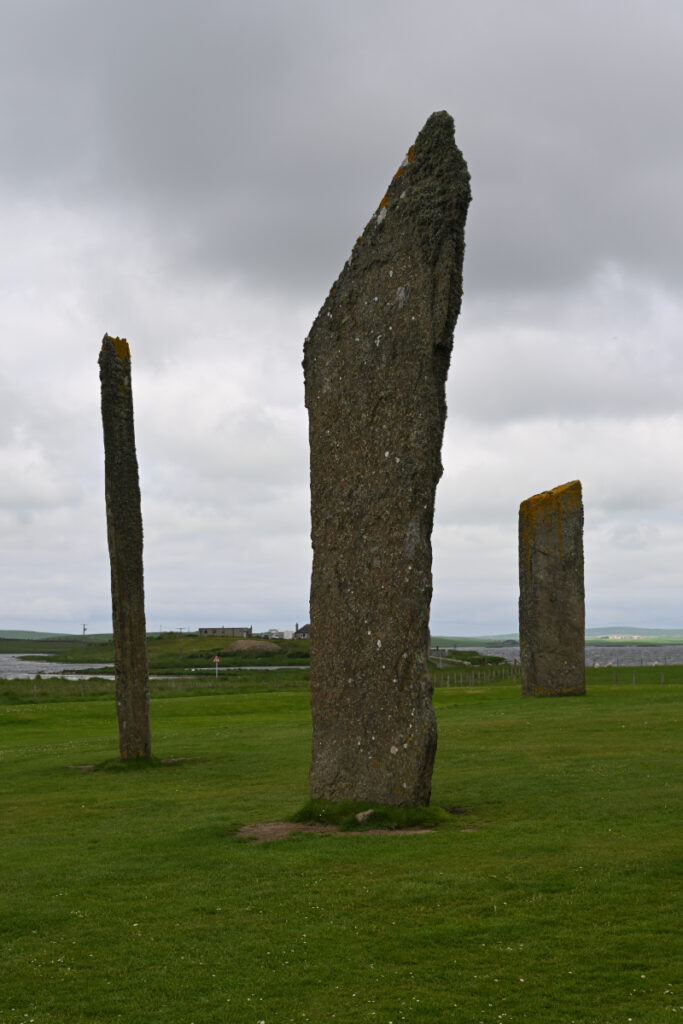
The stones at Stenness were once part of a stone circle, with a surrounding ditch. This is the earliest known henge structure in the British Isles – several hundred years earlier than the Ring of Brodgar. The tallest stone is over 6 metres high.

By the way, this collection of 24 of my slightly spooky stories is currently on sale at 99p / 99c.

Wednesday word of the week – Peedie

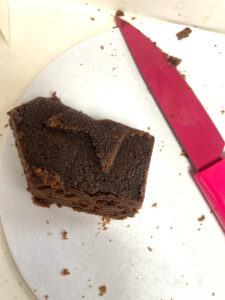
Peedie is a word used on Orkney, and probably much of the rest of Scotland, meaning little or small. It’s used affectionately, rather than derogatorily. So I might refer to a friend who isn’t tall as peedie, but not to a less than generous piece of cake – such as all that remained of the chocolate brownie star the day after I obtained it from a cake shed.
Deerness, Orkney

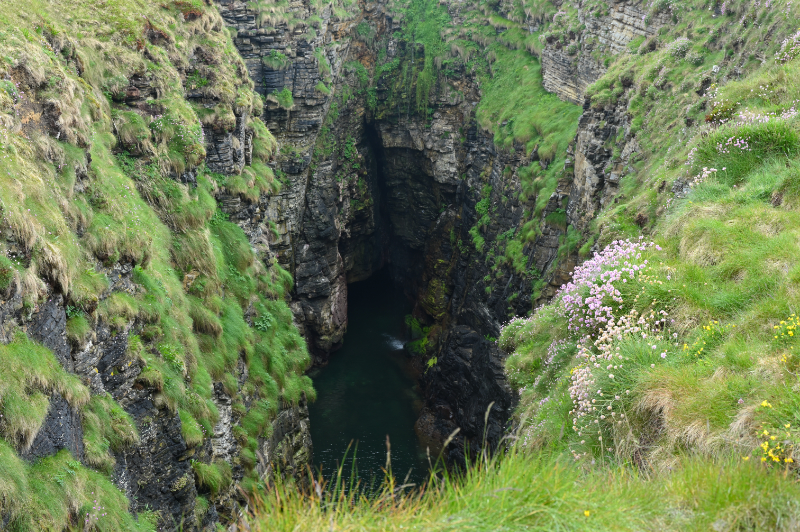
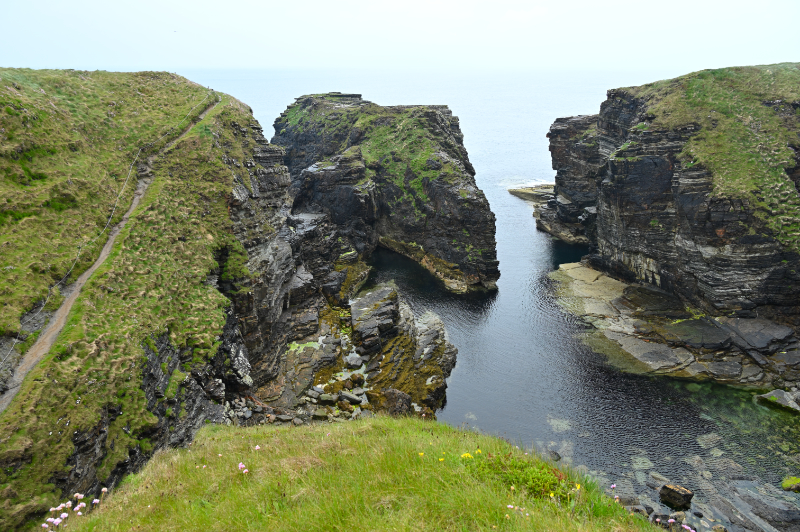
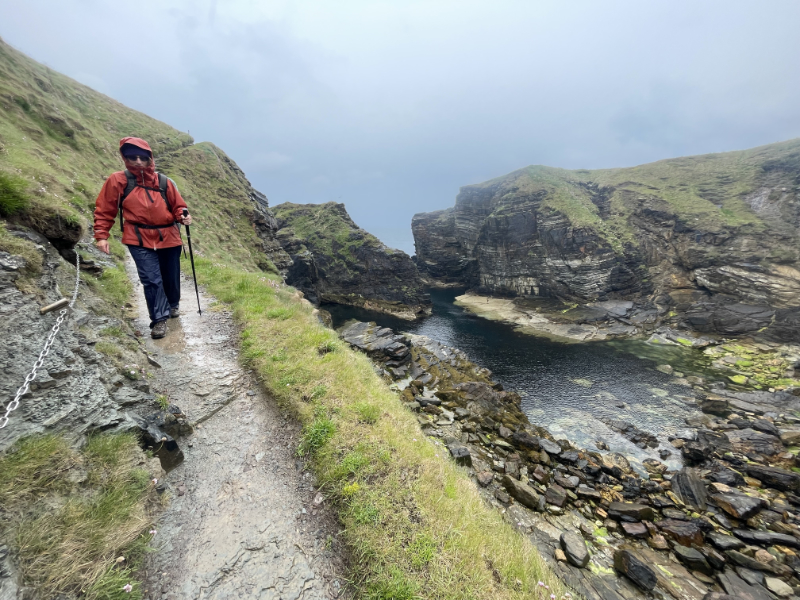
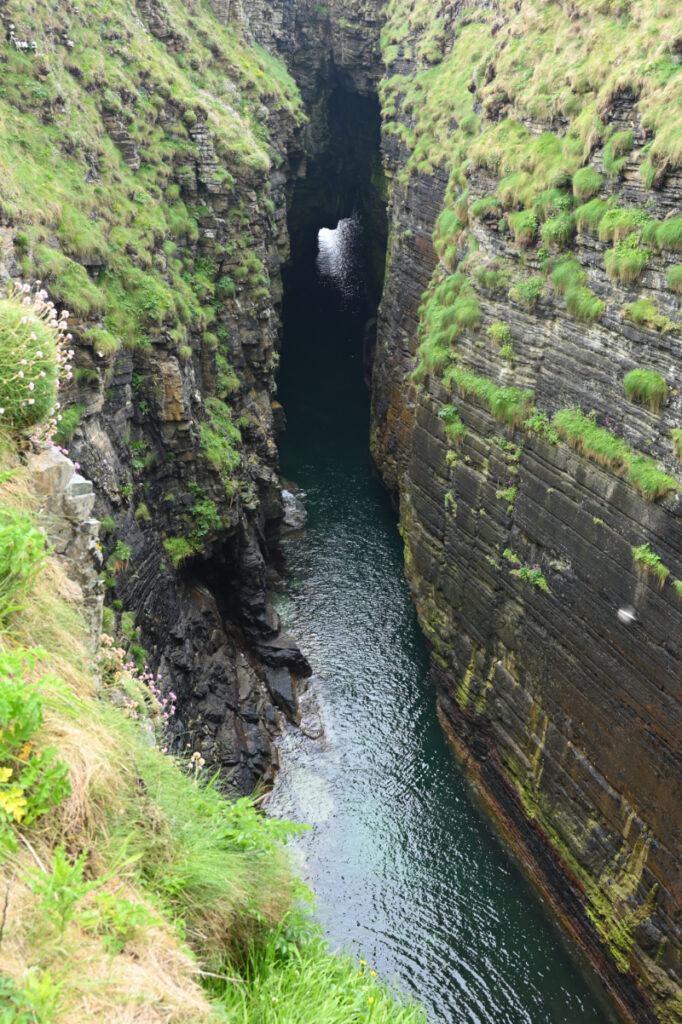
There’s a nature reserve walk at Deerness, which includes a collapsed sea cave called The Gloup, dramatic scenery and good opportunities to see interesting birds, so obviously, despite the rain, we had to go.

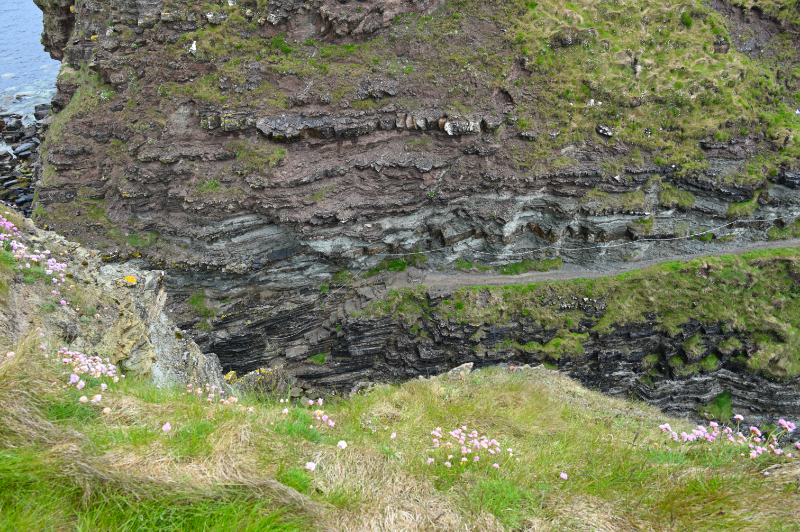
After The Gloup, there’s the option to negotiate a really scary path to reach the brough of Deerness. All that remains of the brough is a ruined building which may have been a chapel, so we didn’t need to do that – which doesn’t mean to say we didn’t do it.

Despite me being as sure footed as a mountain goat, and speedy as a diving gannet, Gary still somehow managed to get far enough ahead to film me demonstrating my fearless mountaineering skills. I could have done with something stronger than tea after that, but we brewed a pot anyway, as wine o’clock was still some time off.

Earl’s Bu and round church, Orphir, Orkney

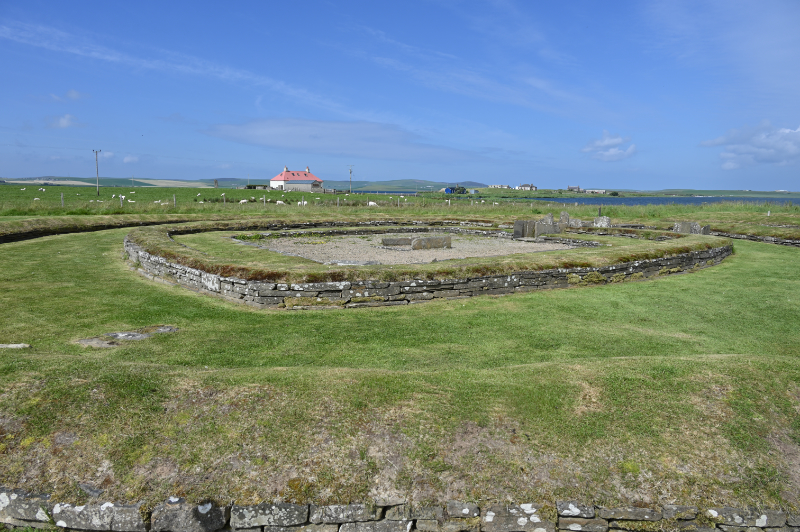
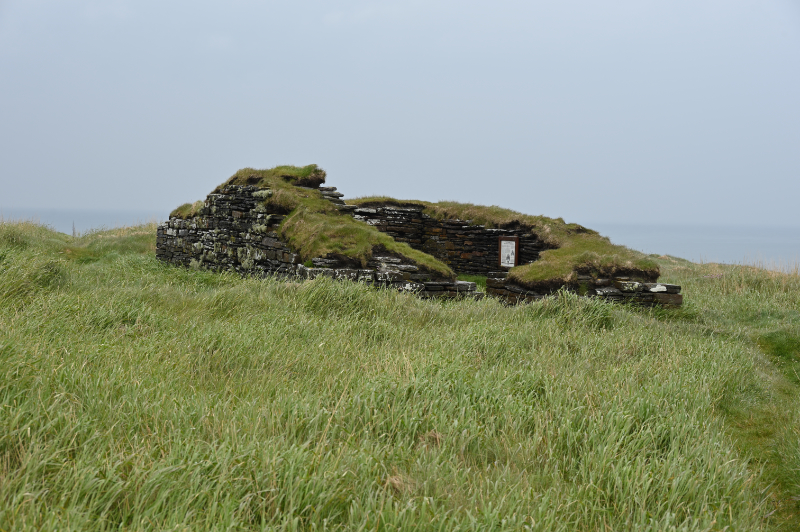
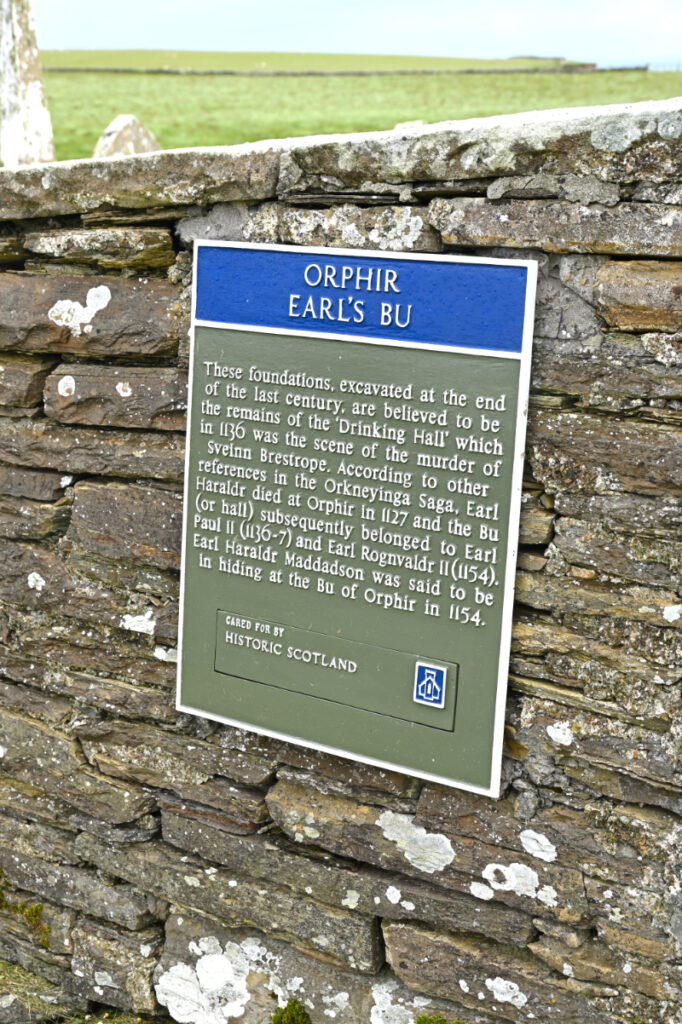
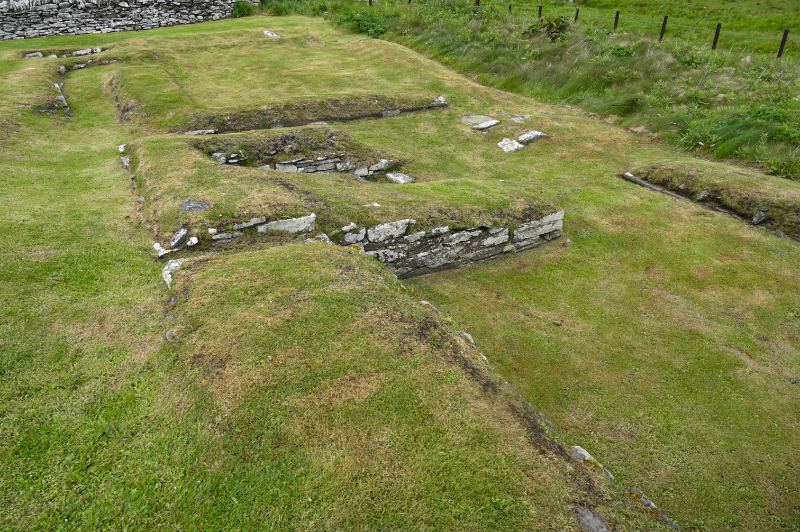
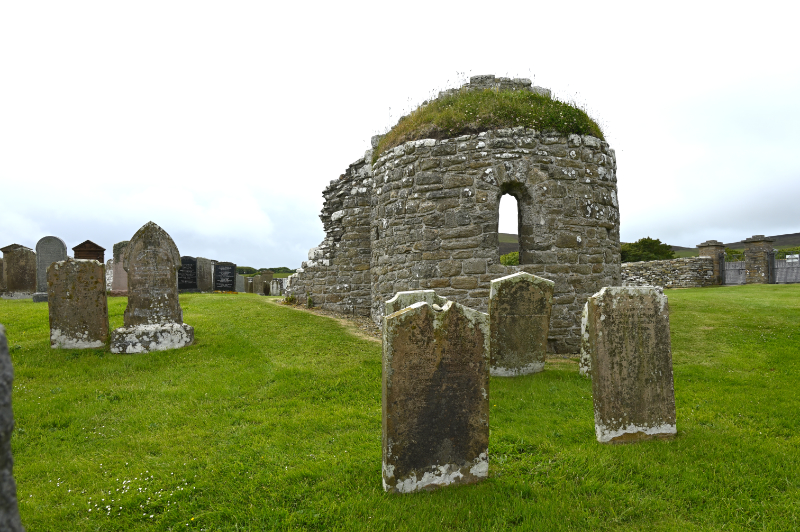
One of the many Earl’s of Orkney, built a Bu (which seems to have been a fancy farmhouse with a massive drinking hall) and a round church in Orphir. He then got a rival Earl of Orkney drunk and murdered him as he left the church. That kind of thing seems to have been typical for the time. The locals are a lot more friendly these days.

When we arrived the weather wasn’t great, and as well as taking photos we planned to take a coastal walking, looking out to Scapa Flow, so we had tea and cake in the van while we waited for conditions to improve – which they soon did.

The car park was popular with people eating various things, but in some cases rather than doing that before sightseeing and taking a walk, like reasonable people, they did it instead. That’s cheating if you ask me!

Cuween Hill – and Wideford Hill Chambered Cairn, Orkney

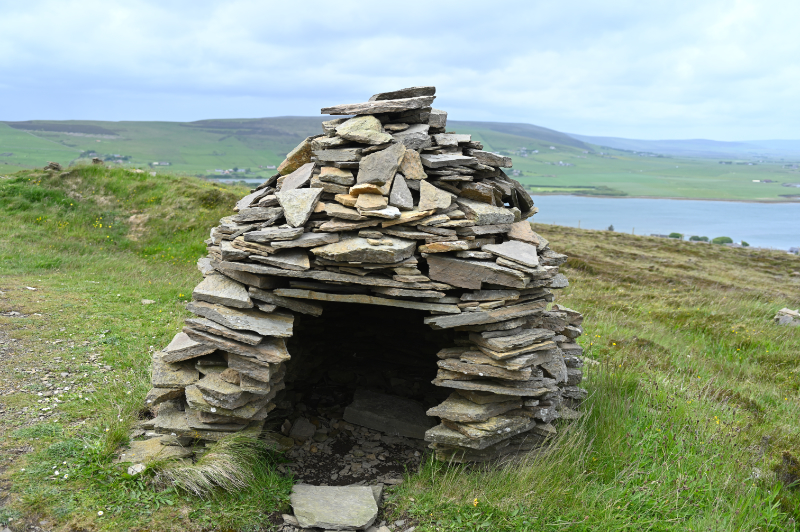
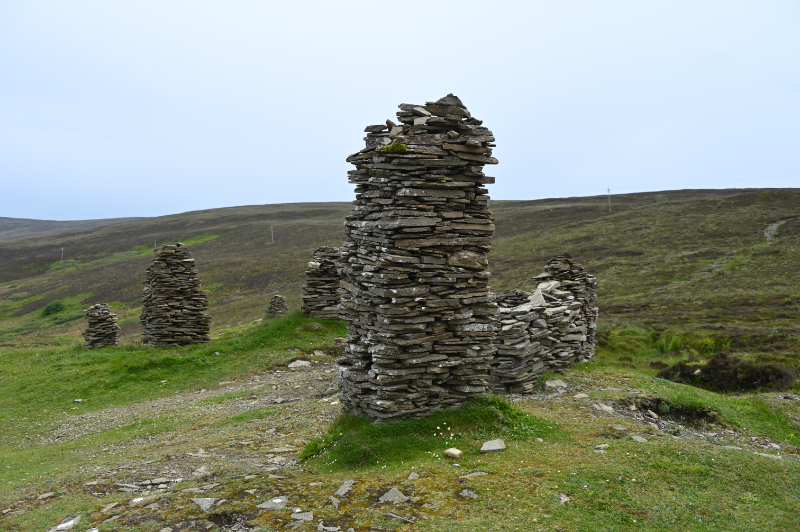
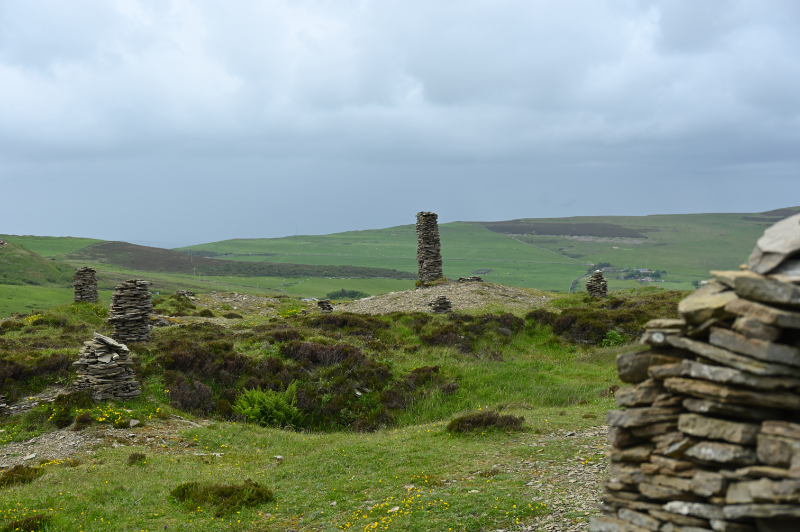
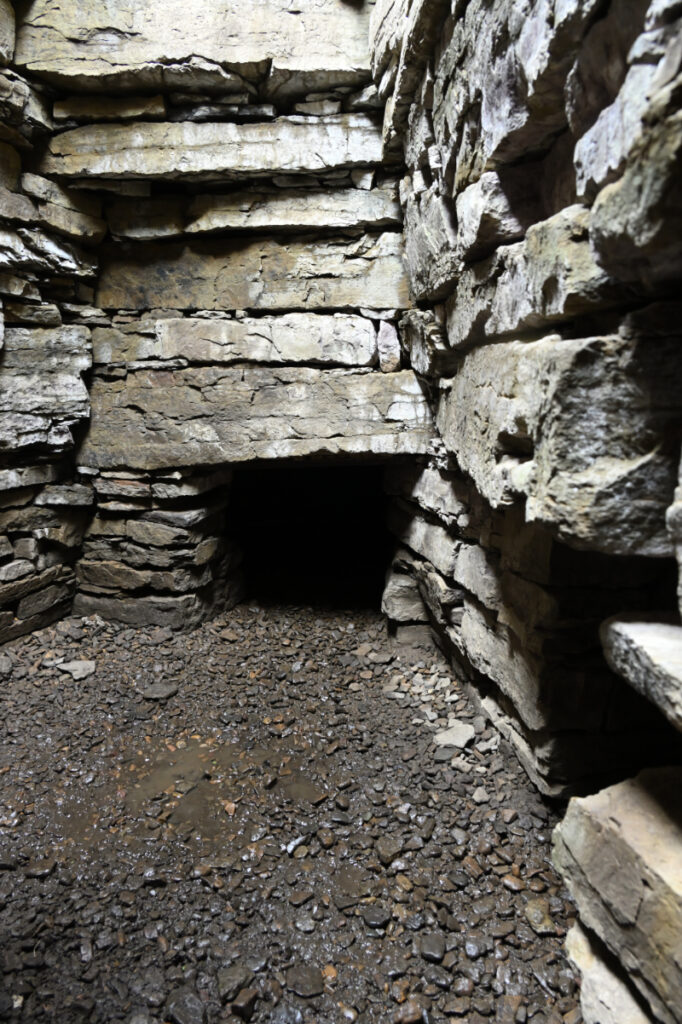
After visiting the chambered cairn on Cuween Hill, we carried on up to the top, where we found some piles of stones, which were possibly a ruin recently rearranged, and some orchids.

After that, we returned to the van for a cup of tea and piece of cake whilst we decided what to do next – and decided to try finding another chambered cairn. We’d seen signs for one on Wideford Hill, but the final one pointed towards a narrow farm track rather than a road. I went in to the sheep shed to ask and was told (by the farmer, not the sheep) that we’d get our van up there ‘nae bother’ so off we went.
Following the farmer’s directions, we reached a tiny car park. As we pulled in a Rabbies coach went by with the driver gesturing for us to follow him. We did that and reached the very top of the hill, where he’d taken his group for a panoramic view of much of Mainland Orkney. After enjoying that for a while, we went back to the car park and set of for the chambered cairn.

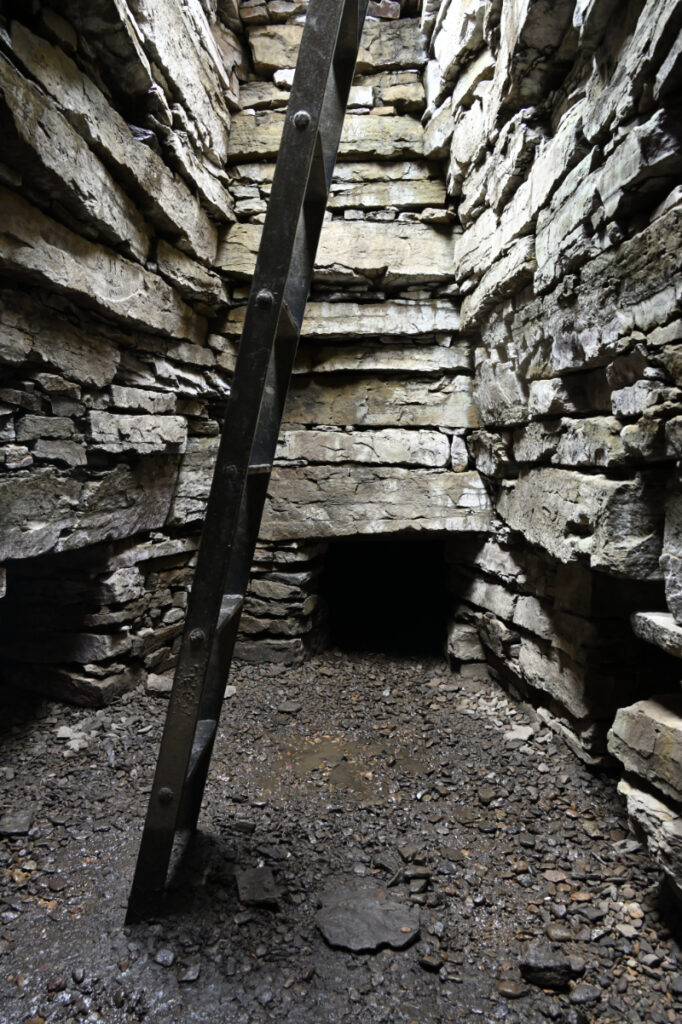
It was, ‘quite a trek’ as the Rabbies guide had told us to expect, but worth it. With this one, instead of crawling through a tunnel you access it through the top by a modern ladder. Me climbing down ladders looks just like anyone else doing it, only slower. A lot slower, especially lowering myself over the edge to get started, so I didn’t film that.

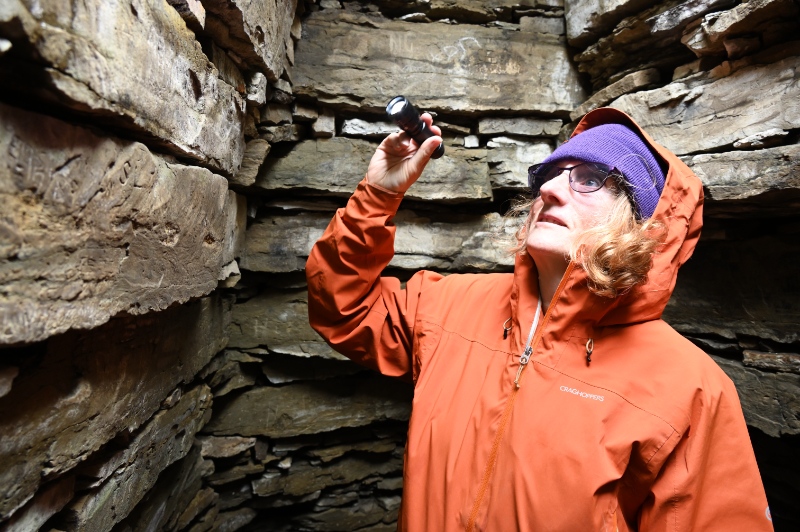
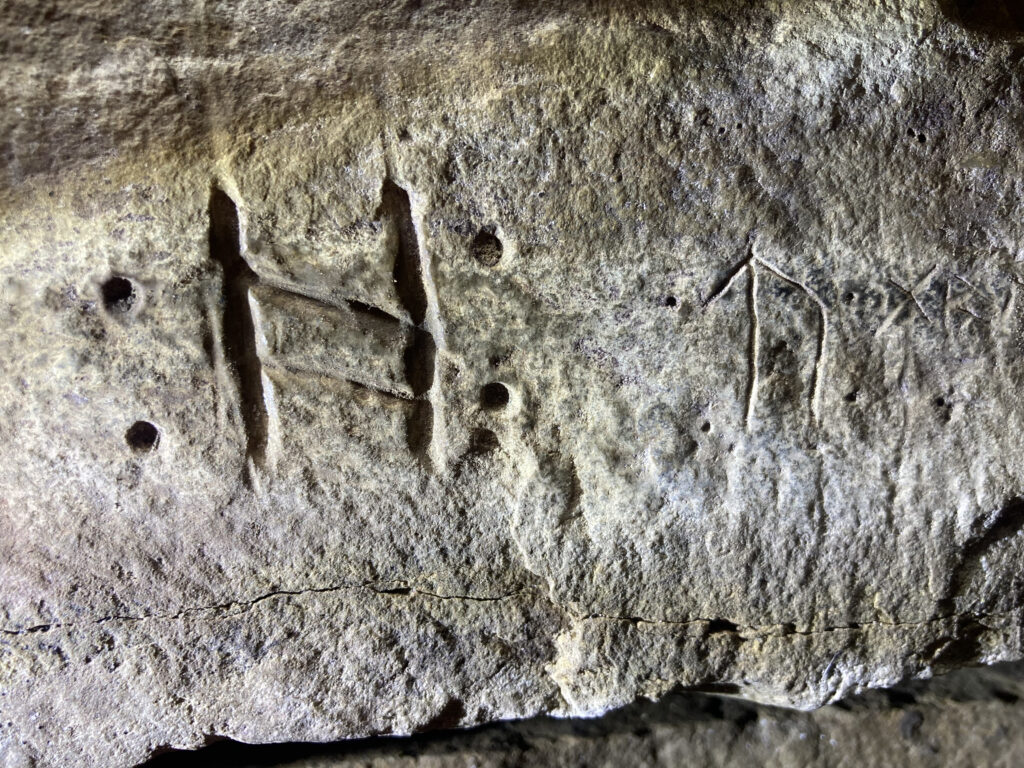
We’d read there was some Viking graffiti inside. I’m not absolutely sure that’s what I found, but I photographed it anyway! After that we had another cup of tea as we decided where to spend the night.