Wallpaper is, of course, paper sold to stick on walls to make them look pretty, or cover cracks, or both. Oddly I haven’t got a single photo of wallpaper. Here’s some fancy panelling (at Bolsover castle). It’s a wall covering and made from the same stuff as paper …
Wallpaper can also mean an unobtrusive background, often background noise.
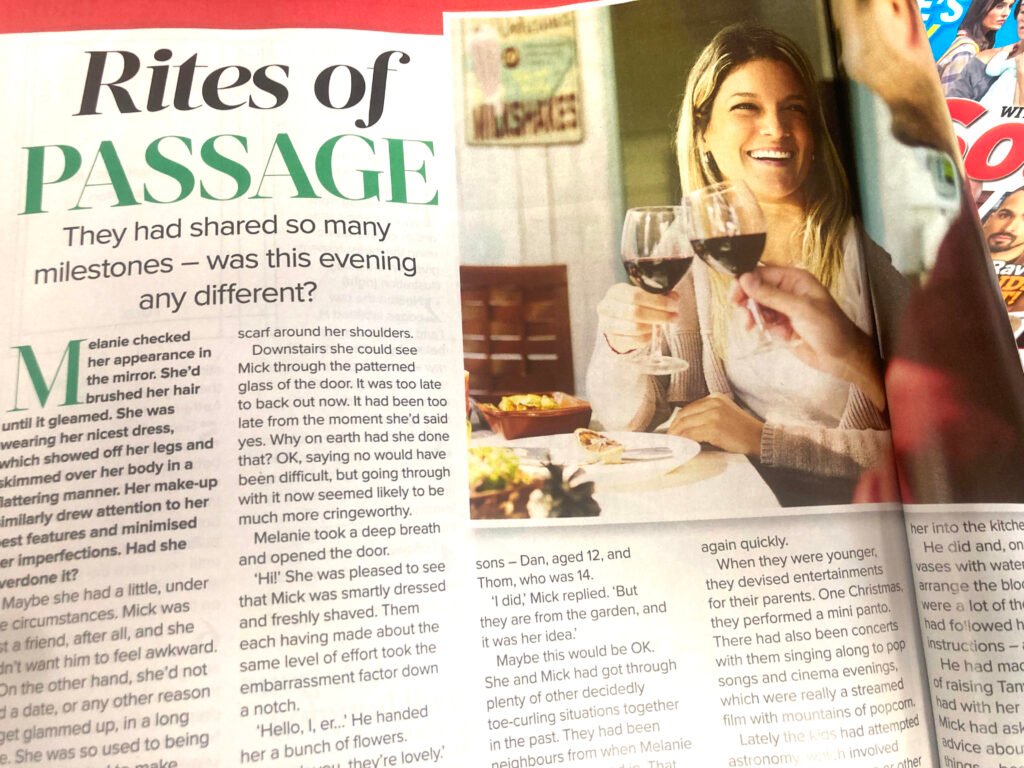
I don’t recall every coming across wallpaper as a writing term until it appeared in a lovely review of Firestarter a while back. Ooops, I got two in the screenshot!
In this context wallpaper means background, setting or location. It can form an important part of the story, or just be there to stop the reader feeling the action happening in a void.
Industry is a type of trade or manufacture, it can also refer to trade and manufacture collectively. Those things will often happen in an industrial environment. Industry may also mean great activity or diligence. Those who demonstrate this are industrious.
Publishing is an industry. We don’t always like to think of it that way, but it is. In common with most other industries money is the main driving force. It’s often not the only one, but it’s very important. If (for example) a magazine doesn’t sell enough copies to buy more paper, it can’t print the next issue.
If my books don’t sell, I won’t be able to afford the cake needed to fuel me as I write the next one. You wouldn’t want me to go without cake, would you?
From 13th September, almost all my ebooks are currently available for 99p in the UK, or 99c in the US. You can find them here. Due to some technical stuff which makes no sense to me, I can’t make them all that price for the same period, so a few are only on offer for a couple of days. Most though will be reduced all week.
Shrift is a very old word for the penance given by priests after a person made a confession. It later came to mean the confession itself, although even that is now outdated. I believe you can still be shriven, but haven’t attempted that myself. When prisoners where sentenced to death (In Britain) they were permitted to confess their sins to a representative of the church, just before execution. They weren’t given much time, so it was just a short shrift. Since then, the phrase has come to mean to swift dismissal or brush off. Sometimes the phrase is written short thrift, but that’s not correct. At least at the moment – as I think this post makes clear, words and their meanings can change. As it’s the whole phrase which has been repurposed, not just a single word, no alternative lengths of shrift are now available. I looked into all this, because while doing the (hopefully) final rewrite of the fourth book in my Little Mallow cosy mystery series, I used the term. When Mike attempts to visit Ellie in hospital, outside visiting hours, he’s given short shrift by the nurses. I don’t recall ever writing the phrase before, so wanted to check I had it correct. And then I got distracted. Not for the first time!
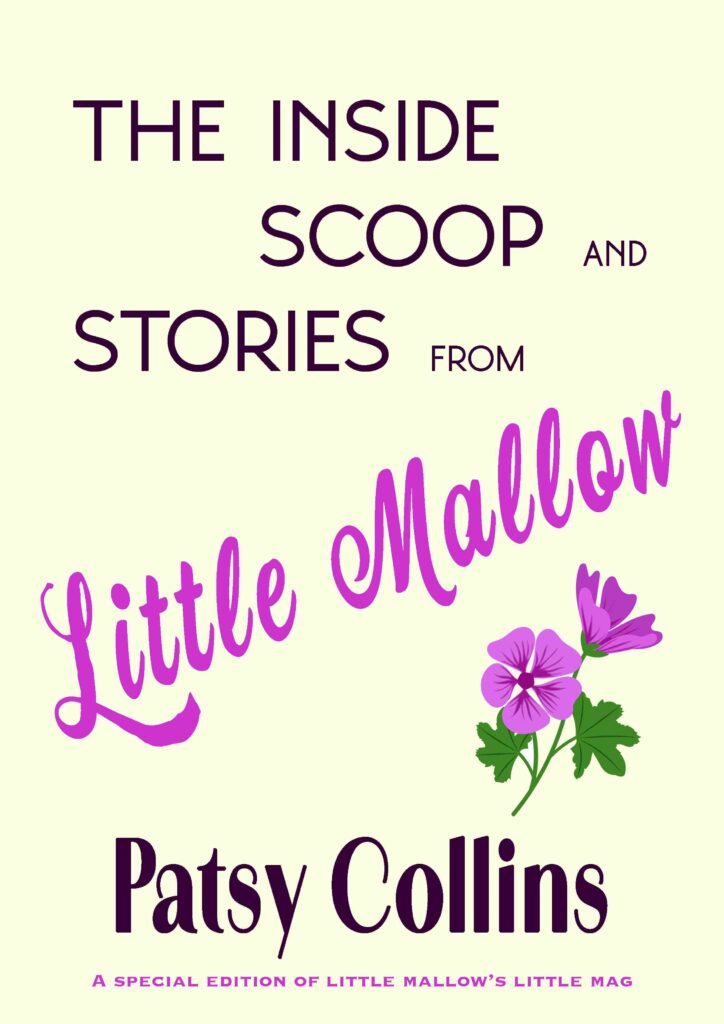
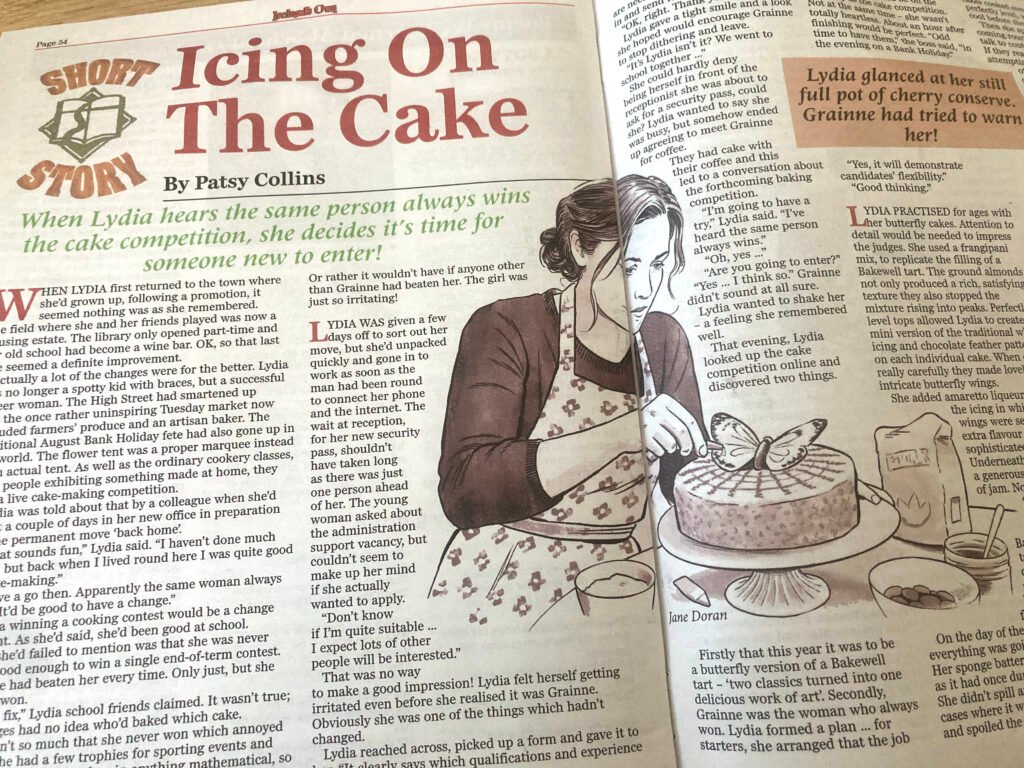
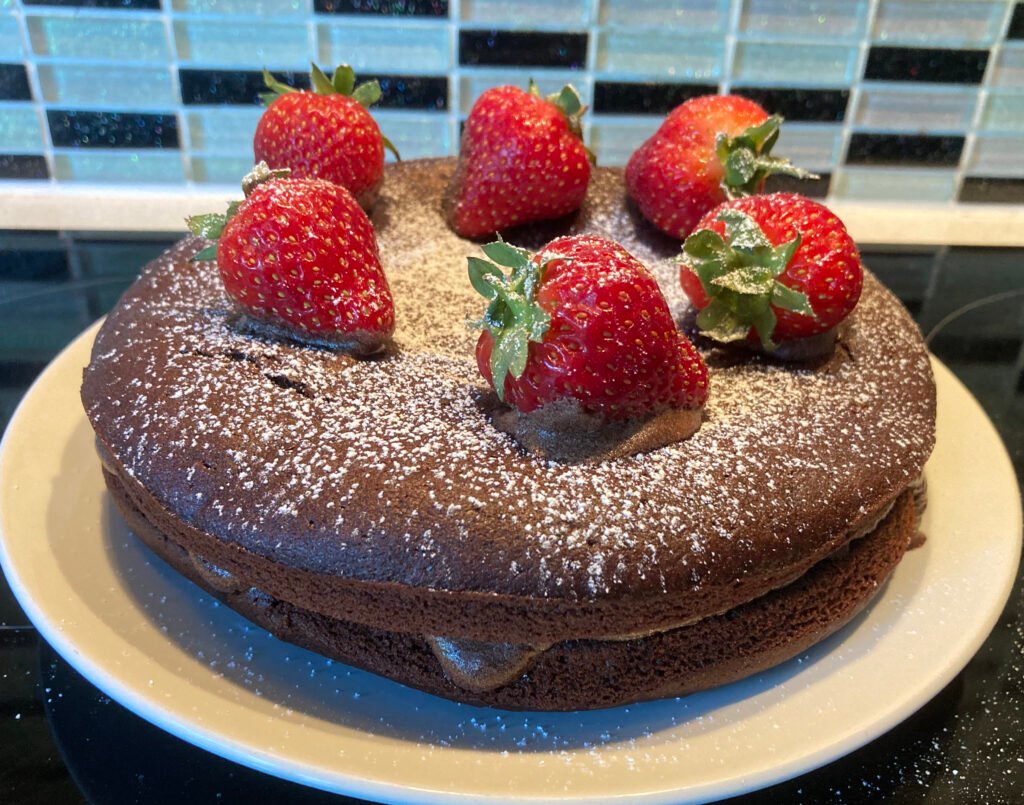
By the way, if you don’t already know where Little Mallow is, you can find out in a special issue of the Little Mag, which is the village’s community newsletter. As well as directions, there are short stories and a cake recipe.
There’s a new way to by my paperbacks – direct from the printer, and at a cheaper price than going through Amazon. I’m just trying to work out how to create and use the links to make that easy.
I invented a new word! The phrase ‘sunrise and sunset’ was too long for where I wanted to use it, so I shortened it to sunriset. OK, OK, I admit I was aiming to remove ‘and sunset’ and missed deleting the T, but I like the result. It’s ideal for when you see a photo like this one –
No doubt a few people could say for certain whether it was shot at sunrise or sunset (me for instance, as I took it). Could you? Or would you prefer to play it safe and use sunriset?